
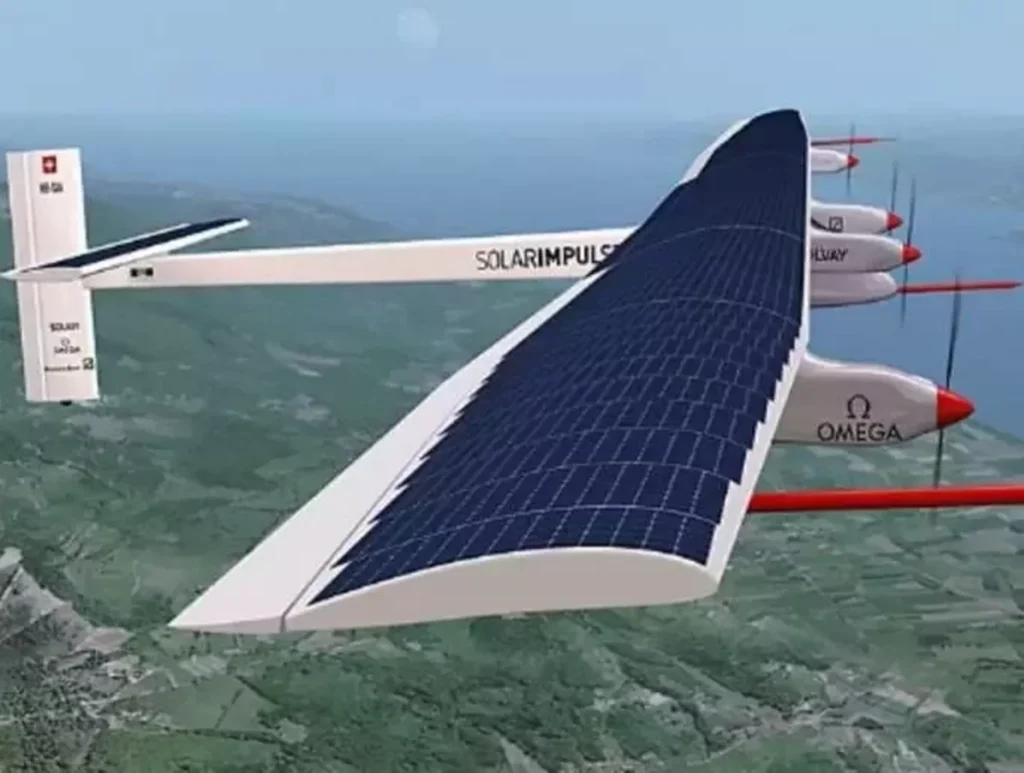
The world is shifting towards a more sustainable future, and one of the industries that needs to adapt is the aerospace sector. As concern about climate change continues to grow, governments and companies are looking for alternative sources of energy to power their planes. In Russia, the Ministry of Industry and Trade (Minpromtorg) is leading the charge by investing in research and development of renewable energy sources, specifically solar power, to fuel civilian aircraft.
But why solar energy? The answer lies in the rising costs of fossil fuels, which are expected to continue to increase as we move towards a low-carbon economy. As consumers, we’ve all experienced the pain of higher prices at the pump, and it’s no different for airlines. With demand for air travel on the rise, finding alternative energy sources is crucial to keep ticket prices from skyrocketing.
The Russia’s Renewable Energy Push
The Russian government has been pouring millions of euros into researching solar power as a viable option for powering aircraft. The Minpromtorg recently announced a €16 million grant to fund this research, with the goal of developing an alternative fuel source that can harness the energy of the sun. But what does this mean for the aerospace industry?
In short, it means big changes are on the horizon. With solar power becoming increasingly viable, Russia is looking at ways to integrate this technology into its aviation sector. This could lead to a major shift in how aircraft are powered, with solar energy potentially replacing traditional fossil fuels.
The Benefits of Solar Power for Aviation
So why solar power? The benefits are numerous:
- Reduced emissions: By switching from fossil fuels to solar power, airlines can significantly reduce their carbon footprint.
- Increased efficiency: Solar panels can be integrated into aircraft design, reducing drag and increasing fuel efficiency.
- Lower operating costs: With reduced fuel consumption, airlines can save millions on operational costs.
But it’s not just about the environment. The transition to solar power could also lead to significant economic benefits for Russia’s aerospace industry.
The Challenges Ahead
While there are many advantages to solar power, there are also several challenges that need to be addressed:
- Energy storage: One of the biggest hurdles is developing efficient energy storage systems to store excess energy generated by solar panels.
- Aircraft design: Solar panels can add weight and drag to aircraft, requiring significant redesigns to ensure optimal performance.
- Scalability: Currently, solar panels are not scalable to meet the demands of commercial aviation.
Despite these challenges, researchers and engineers are working tirelessly to overcome them. With advancements in technology and investment from governments like Russia’s, we’re on the cusp of a revolution in the aerospace industry.
The Future of Aviation
As we look to the future, one thing is clear: renewable energy sources will play a critical role in powering our aircraft. Solar power is just one part of this story, but it’s a crucial component. With continued investment and innovation, we can expect to see significant improvements in efficiency, sustainability, and cost savings for airlines.
The transition to solar power won’t happen overnight, but with countries like Russia leading the charge, we’re moving towards a brighter future for aviation.
Frequently Asked Questions
- What is the current state of renewable energy research for aviation?
The Russian government has invested millions of euros in researching solar power as a viable option for powering aircraft. - How much will the transition to solar power affect airline costs?
Initial estimates suggest that airlines could save millions on operational costs due to reduced fuel consumption and lower emissions. - What are the biggest challenges facing researchers in this field?
The main hurdles include developing efficient energy storage systems, redesigning aircraft to accommodate solar panels, and scaling up production. - When can we expect significant advancements in solar-powered aviation?
While it’s difficult to predict exactly when we’ll see widespread adoption of solar power in aviation, researchers are making rapid progress, and we can expect to see incremental improvements in the coming years.
The Role of Solar Power in Aviation Today
While the concept of solar-powered flight may seem like science fiction, there are already several companies and organizations working on this technology. For example:
- Solar Impulse 2: This Swiss-based project has been flying around the world using only solar power.
- Sunseeker: A British company that has developed a solar-powered aircraft capable of carrying passengers.
These innovations demonstrate the potential for solar power to revolutionize aviation. As technology continues to improve, we can expect to see more efficient and sustainable options emerge.
The Benefits of Solar Power for Russia’s Aerospace Industry
The Russian aerospace industry is poised to reap significant benefits from the transition to solar power:
- Increased competitiveness: By investing in renewable energy sources, Russia can gain a competitive edge over other countries.
- Reduced emissions: As an aviation nation, Russia has a significant impact on global carbon emissions. Solar power can help reduce these emissions and improve air quality.
- Economic growth: The transition to solar power could lead to new job opportunities and economic growth in the aerospace industry.
Conclusion
The future of aviation is bright, thanks to the innovative work of researchers and engineers around the world. As we move towards a low-carbon economy, renewable energy sources will play a critical role in powering our aircraft. Solar power is just one part of this story, but it’s a crucial component. With continued investment and innovation, we can expect to see significant improvements in efficiency, sustainability, and cost savings for airlines.
In Russia, the Ministry of Industry and Trade has taken a bold step by investing in research and development of renewable energy sources. The benefits of solar power are numerous, from reduced emissions to increased efficiency and lower operating costs.
As we look to the future, one thing is clear: renewable energy will shape the aviation industry for years to come.


