
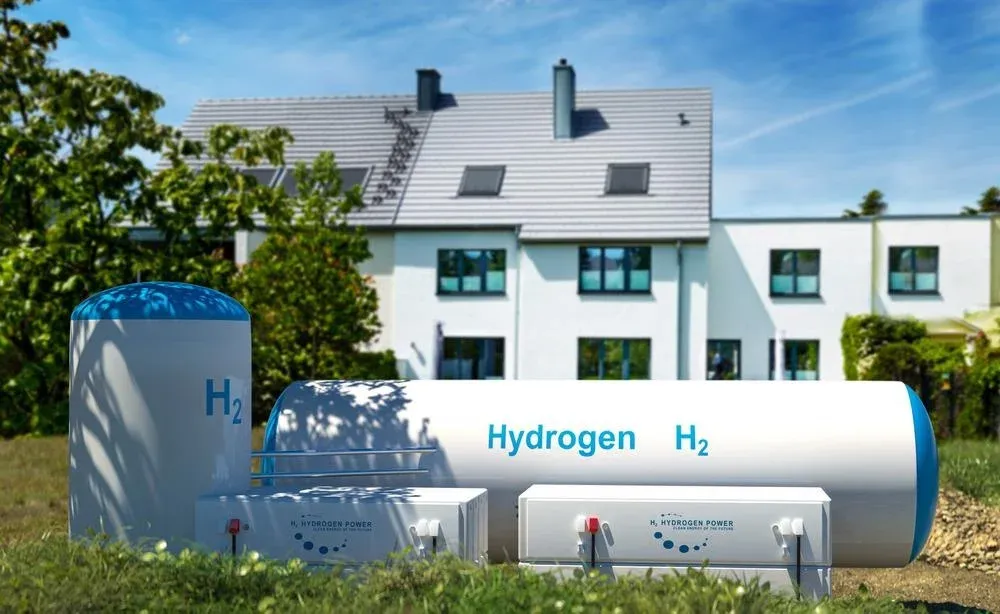
As the world continues to grapple with the challenges of climate change, many are left wondering if hydrogen will be the next big thing in home heating. Will it replace traditional gas boilers that have been a staple of many homes for decades? To answer this question, let’s take a closer look at what hydrogen has to offer and why it might just be the solution we’ve been waiting for.
The Current State of Home Heating
Currently, home heating is dominated by traditional gas boilers. These boilers are reliable, but they’re not exactly the most environmentally friendly option. When natural gas is burned in these boilers, carbon dioxide emissions are released into the atmosphere, contributing to climate change. But what if there was a way to heat our homes without releasing greenhouse gases?
The Benefits of Hydrogen
Hydrogen has long been touted as a clean-burning fuel that could potentially replace traditional fossil fuels. And while it’s true that hydrogen itself is neutral, the production process is where things get complicated. Most hydrogen is currently produced from natural gas, which defeats the purpose of using hydrogen in the first place.
However, researchers are working hard to develop new methods for producing low-carbon hydrogen. One promising approach involves using renewable energy sources like solar or wind power to split water molecules into hydrogen and oxygen. This process produces only water vapor as a byproduct, making it a nearly carbon-neutral way to produce hydrogen.
Why Hydrogen is the Future
So why should we care about hydrogen? For one thing, it’s an incredibly efficient fuel source. When used in a boiler, hydrogen releases only water vapor as a byproduct, making it a much cleaner-burning fuel than traditional gas or electricity. In fact, studies have shown that hydrogen boilers can achieve efficiency levels of up to 85%, compared to just 70% for traditional gas boilers.
But what really sets hydrogen apart is its potential to reduce greenhouse gas emissions. By using renewable energy sources to produce hydrogen, we can significantly decrease the carbon footprint associated with transportation and heating.
The Current State of Investment in Hydrogen
Despite the many benefits of hydrogen, investment in the technology has been slow. However, this is starting to change. Governments around the world are beginning to recognize the potential of hydrogen as a clean-burning fuel source, and investment in the sector is growing rapidly.
In fact, many governments have set ambitious targets for reducing greenhouse gas emissions from transportation and heating. Meeting these targets will require significant investment in low-carbon technologies like hydrogen.
The Way Forward
So what does the future hold for hydrogen? While it’s unlikely to replace traditional gas boilers overnight, hydrogen has the potential to play a major role in our transition to a low-carbon economy.
As researchers continue to develop new methods for producing low-carbon hydrogen, we can expect to see more widespread adoption of the technology. And while there are still many challenges to overcome – from storing and transporting hydrogen to scaling up production – the potential rewards are well worth the effort.
Challenges to Overcome
One of the biggest challenges facing hydrogen is storage and transportation. Currently, most hydrogen is produced at a local scale and consumed immediately, which makes it difficult to store and transport over long distances.
However, researchers are working on developing new technologies for storing and transporting hydrogen that are safe and efficient. These include hydrogen tanks made from advanced materials like carbon fiber, as well as pipelines designed specifically for hydrogen transportation.
Another challenge facing hydrogen is the need for more affordable production methods. Currently, most hydrogen is produced using a process called steam methane reforming, which requires expensive equipment and energy inputs.
However, researchers are exploring alternative methods for producing hydrogen that could be more cost-effective. These include using renewable energy sources like solar or wind power to split water molecules into hydrogen and oxygen, as well as using waste materials like agricultural waste or sewage sludge as feedstocks for hydrogen production.
Conclusion
The future of home heating is looking brighter than ever. With its potential for reducing greenhouse gas emissions, efficient energy production, and clean-burning fuel source, hydrogen has all the ingredients of a game-changer. As we continue to invest in low-carbon technologies like hydrogen, we can expect to see significant reductions in our carbon footprint and a healthier, more sustainable future.
Frequently Asked Questions
Q: How does hydrogen produce energy?
A: Hydrogen produces energy through a process called combustion, where the hydrogen reacts with oxygen to produce heat and light.
Q: Is hydrogen a clean-burning fuel source?
A: While hydrogen itself is neutral, the production process can be complicated. Most hydrogen is currently produced from natural gas, which defeats the purpose of using hydrogen in the first place.
Q: How efficient are hydrogen boilers compared to traditional gas boilers?
A: Hydrogen boilers have been shown to achieve efficiency levels of up to 85%, compared to just 70% for traditional gas boilers.
Q: Can we store and transport hydrogen safely?
A: Yes, researchers are working on developing new methods for storing and transporting hydrogen that are safe and efficient.
Q: How will the production of hydrogen be scaled up?
A: Researchers are exploring a range of solutions for scaling up hydrogen production, including using renewable energy sources like solar or wind power to split water molecules into hydrogen and oxygen.
Q: What role will hydrogen play in our transition to a low-carbon economy?
A: Hydrogen has the potential to play a major role in reducing greenhouse gas emissions from transportation and heating. As researchers continue to develop new methods for producing low-carbon hydrogen, we can expect to see significant reductions in our carbon footprint.
Q: How much investment is needed to make hydrogen a reality?
A: Significant investment is needed to scale up the production of hydrogen and make it a viable alternative to traditional fossil fuels.
The Economic Benefits of Hydrogen
In addition to its potential to reduce greenhouse gas emissions, hydrogen also has several economic benefits that could make it an attractive alternative to traditional fossil fuels.
One of the biggest advantages of hydrogen is its potential to create jobs in the renewable energy sector. As more and more companies turn to hydrogen as a clean-burning fuel source, there will be a growing demand for workers with expertise in areas like hydrogen production, storage, and transportation.
Another economic benefit of hydrogen is its potential to stimulate local economies. By producing hydrogen locally, companies can create jobs and stimulate economic growth in their communities.
The Environmental Benefits of Hydrogen
In addition to its economic benefits, hydrogen also has several environmental benefits that could make it an attractive alternative to traditional fossil fuels.
One of the biggest advantages of hydrogen is its potential to reduce greenhouse gas emissions. By using renewable energy sources to produce hydrogen, we can significantly decrease the carbon footprint associated with transportation and heating.
Another environmental benefit of hydrogen is its potential to improve air quality. Traditional fossil fuels are known to release pollutants like particulate matter, nitrogen oxides, and sulfur dioxide into the atmosphere, which can have negative impacts on human health and the environment.
However, when produced from renewable energy sources, hydrogen has a significantly reduced environmental impact. In fact, studies have shown that hydrogen production using solar or wind power can reduce greenhouse gas emissions by up to 90%.
The Social Benefits of Hydrogen
In addition to its economic and environmental benefits, hydrogen also has several social benefits that could make it an attractive alternative to traditional fossil fuels.
One of the biggest advantages of hydrogen is its potential to improve public health. By reducing greenhouse gas emissions and improving air quality, we can reduce the negative impacts of air pollution on human health.
Another social benefit of hydrogen is its potential to promote energy security. As more and more companies turn to hydrogen as a clean-burning fuel source, there will be a growing demand for workers with expertise in areas like hydrogen production, storage, and transportation.
Conclusion
The future of home heating is looking brighter than ever. With its potential for reducing greenhouse gas emissions, efficient energy production, and clean-burning fuel source, hydrogen has all the ingredients of a game-changer. As we continue to invest in low-carbon technologies like hydrogen, we can expect to see significant reductions in our carbon footprint and a healthier, more sustainable future.
Recommendations
To make hydrogen a reality, governments around the world should take several steps:
- Invest in research and development: Governments should invest in research and development programs focused on improving the efficiency and reducing the cost of hydrogen production.
- Develop new infrastructure: Governments should develop new infrastructure for storing and transporting hydrogen, including pipelines and storage facilities.
- Promote public awareness: Governments should promote public awareness of the benefits of hydrogen and encourage consumers to consider using it as a clean-burning fuel source.
- Encourage industry investment: Governments should encourage industry investment in hydrogen production and use by offering incentives like tax breaks or low-interest loans.
By taking these steps, governments can help create a future where hydrogen is a viable alternative to traditional fossil fuels and plays a major role in reducing greenhouse gas emissions from transportation and heating.


