
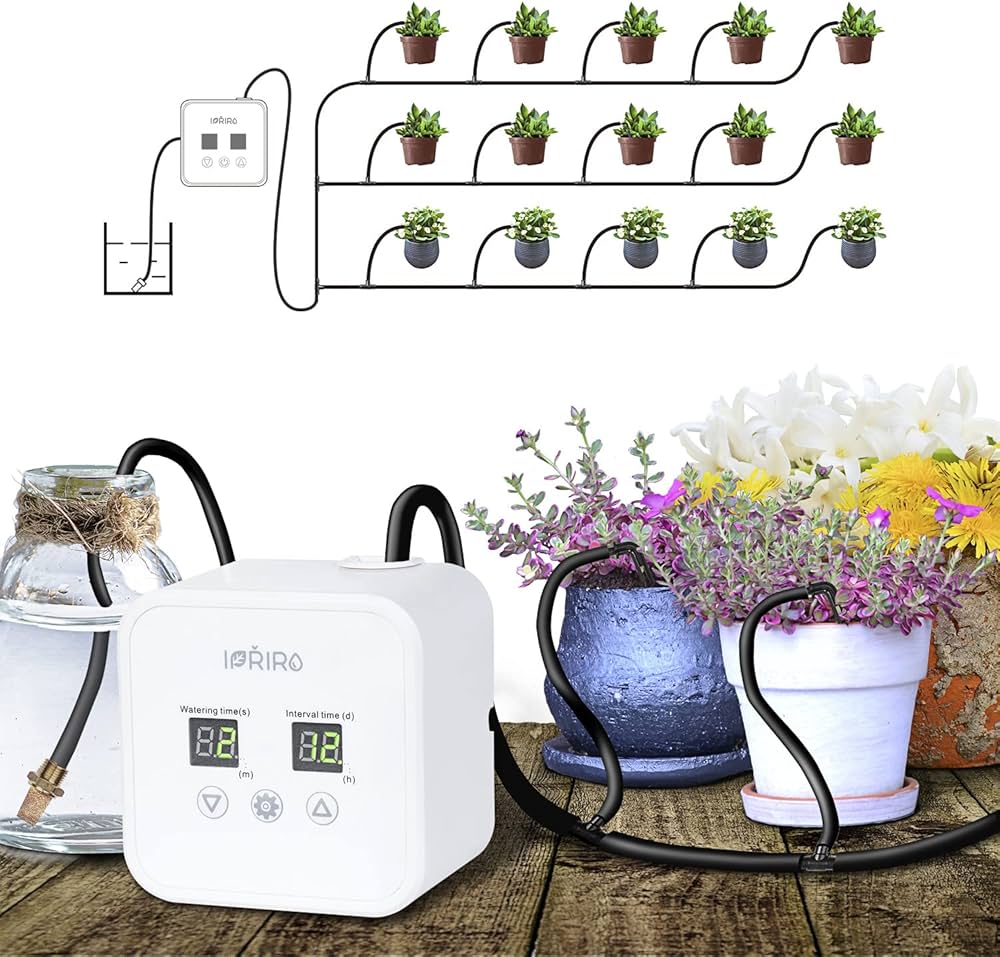
In the comfort of our own homes, we often forget about the needs of the plants that bring life and beauty to our spaces. However, just like us, plants require proper care and attention to thrive. One essential aspect of plant care is watering, and neglecting it can lead to poor growth, disease, and even death.
The Problem with Manual Watering
Manual watering can be time-consuming and prone to errors. Overwatering or underwatering can happen easily, especially when we’re not around to check on our plants. This can lead to a range of problems, including root rot, leaf drop, and reduced plant growth. Moreover, manual watering requires constant monitoring, which can be stressful for both us and our plants.
The Solution: Automatic Irrigation Systems
Fortunately, there are intelligent solutions that can help alleviate these concerns. Automatic irrigation systems for apartment plants use sensors to monitor soil moisture levels and release water only when necessary. These systems can be integrated into planters or vases, making them a convenient and low-maintenance option for busy people.
How it Works
Automatic irrigation systems typically consist of a planter with a built-in water reservoir, a sensor that monitors soil moisture levels, and a valve that controls the release of water. When the soil reaches a certain level of dryness, the system triggers the release of water, ensuring that the plant receives just the right amount of moisture.
Benefits of Automatic Irrigation
So, why choose automatic irrigation systems for your apartment plants? Here are some benefits:
- Convenience: No more worrying about watering schedules or forgetting to turn off the tap.
- Efficiency: Water is released only when needed, reducing waste and saving water.
- Reduced Maintenance: Fewer tasks to perform, making it easier to maintain your plants.
Popular Options
When it comes to automatic irrigation systems for apartment plants, there are several options available. Some popular brands include Lechuza, which offers a range of stylish and functional planters with built-in watering systems.
- Lechuza Planters: These planters feature a unique design that allows for easy access to the water reservoir and sensor.
- Smart Watering Systems: These systems use sensors and algorithms to optimize water release based on soil moisture levels, temperature, and other factors.
Choosing the Right System
When selecting an automatic irrigation system, consider the following factors:
- Plant Type: Different plants have varying watering needs. Choose a system that can adapt to your plant’s specific requirements.
- Soil Moisture Levels: Consider the type of soil you’re using and choose a system that can accurately detect moisture levels.
- Water Efficiency: Look for systems that use minimal water while still providing adequate hydration for your plants.
Factors to Consider When Choosing an Automatic Irrigation System
When choosing an automatic irrigation system, consider the following factors:
- Plant Type: Different plants have varying watering needs. Choose a system that can adapt to your plant’s specific requirements.
- Soil Moisture Levels: Consider the type of soil you’re using and choose a system that can accurately detect moisture levels.
- Water Efficiency: Look for systems that use minimal water while still providing adequate hydration for your plants.
- Power Source: Decide whether you want a system that runs on batteries or a power cord.
- Sensor Technology: Choose a system with advanced sensor technology to ensure accurate moisture readings.
- Valve Design: Select a system with a reliable valve design to prevent leaks and water waste.
- Maintenance Requirements: Consider the maintenance requirements of the system, including cleaning and replacement of parts.
Types of Automatic Irrigation Systems
There are several types of automatic irrigation systems available, each with its own unique features and benefits:
- Timed Watering Systems: These systems use a timer to release water at set intervals.
- Soil Moisture-Based Systems: These systems use sensors to monitor soil moisture levels and release water when necessary.
- Rain Sensors: These systems use rain sensors to detect rainfall and adjust watering schedules accordingly.
- Smart Watering Systems: These systems use advanced sensor technology and algorithms to optimize water release based on soil moisture levels, temperature, and other factors.
Popular Brands of Automatic Irrigation Systems
There are several popular brands of automatic irrigation systems available, each with its own unique features and benefits:
- Lechuza: Lechuza offers a range of stylish and functional planters with built-in watering systems.
- Smart Gardener: Smart Gardener offers a range of smart watering systems that use advanced sensor technology to optimize water release.
- Rain Bird: Rain Bird offers a range of automatic irrigation systems that use rain sensors to detect rainfall and adjust watering schedules accordingly.
- Hunter: Hunter offers a range of automatic irrigation systems that use soil moisture-based sensors to monitor soil moisture levels and release water when necessary.
Conclusion
Automatic irrigation systems are a smart solution for apartment plant owners. They offer convenience, efficiency, and reduced maintenance, making it easier to keep your plants healthy and thriving. By choosing the right system and considering your plant’s specific needs, you can enjoy beautiful, lush greenery in the comfort of your own home.
Frequently Asked Questions
- Q: How often do I need to refill the water reservoir?
A: The frequency of refilling depends on the plant type, soil moisture levels, and other factors. Consult your system’s manual for specific guidelines. - Q: Can I use tap water in my automatic irrigation system?
A: Yes, most systems can handle tap water. However, consider using filtered or distilled water to reduce mineral buildup and improve system performance. - Q: How do I clean the sensor and valve?
A: Regularly clean the sensor and valve with a soft brush or cloth to ensure optimal performance. - Q: Can I use multiple planters in one system?
A: Yes, some systems can accommodate multiple planters. Consult your system’s manual for specific instructions on how to set up and use multiple planters. - Q: Is automatic irrigation more expensive than manual watering?
A: While initial costs may be higher, automatic irrigation systems can save you money in the long run by reducing water waste and improving plant health. - Q: Can I integrate my automatic irrigation system with other smart home devices?
A: Yes, many modern systems can integrate with other smart home devices, such as thermostats and lighting controls. Consult your system’s manual for specific instructions on how to set up integrations. - Q: How do I troubleshoot issues with my automatic irrigation system?
A: Refer to your system’s manual or contact customer support for assistance with troubleshooting common issues. - Q: Can I use my automatic irrigation system outdoors?
A: Yes, some systems are designed specifically for outdoor use. Consult your system’s manual for specific instructions on how to set up and maintain your system outdoors. - Q: How do I recycle or dispose of the used water from my automatic irrigation system?
A: Refer to your local regulations and guidelines for recycling or disposing of used water from your automatic irrigation system. - Q: Can I use my automatic irrigation system with other types of plants, such as cacti or succulents?
A: Yes, many systems can accommodate a wide range of plant species. Consult your system’s manual for specific instructions on how to set up and care for your plants.
By choosing the right automatic irrigation system and following proper maintenance guidelines, you can enjoy healthy, thriving plants in your apartment or home.


