
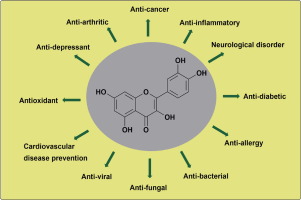
As we age, our bodies become more susceptible to oxidative stress and inflammation. But what if there was a natural way to combat these age-related diseases? Enter quercetina, a flavonoid found in various plant-based foods and supplements.
What is Quercetina?
Quercetina is a type of aglycone, which means it can’t be found alone in nature but rather as part of glycosides like rutin and quercitrin. It’s commonly found in extracts from plants like horse chestnut, ginkgo biloba, calendula, white willow, chamomile, and licorice root.
The Power of Quercetina: Antioxidant and Anti-Inflammatory Properties
So, what makes quercetina so special? Its antioxidant and anti-inflammatory properties make it a potent ally in the fight against aging and age-related diseases. But how does it work?
Quercetina has been shown to:
- Reduce inflammation: By blocking the release of histamine and other pro-inflammatory chemicals, quercetina can help alleviate conditions like arthritis, allergies, and even Alzheimer’s disease.
- Antioxidize free radicals: Quercetina’s antioxidant properties can neutralize free radicals, which are unstable molecules that cause oxidative stress and damage to our cells.
- Improve cardiovascular health: By reducing inflammation and improving blood vessel function, quercetina may help lower the risk of heart disease.
Quercetina: A Natural Anti-Aging Solution
But quercetina isn’t just limited to fighting off diseases. It also has a range of anti-aging benefits, including:
- Reducing fine lines and wrinkles: Quercetina’s antioxidant properties can help protect our skin from sun damage and reduce the appearance of fine lines and wrinkles.
- Improving skin elasticity: By improving blood vessel function and reducing inflammation, quercetina may help improve skin elasticity and firmness.
Quercetina: A Supplement Worth Considering
So, should you consider adding quercetina to your supplement routine? If you’re looking for a natural way to boost your antioxidant and anti-inflammatory defenses, quercetina might be worth exploring. But always consult with a healthcare professional before starting any new supplements.
Benefits of Quercetina Supplementation
Quercetina supplementation has been shown to have numerous benefits, including:
- Improved cardiovascular health: Quercetina may help lower blood pressure and improve lipid profiles, reducing the risk of heart disease.
- Enhanced cognitive function: Quercetina’s antioxidant properties may help protect against age-related cognitive decline and dementia.
- Reduced cancer risk: Quercetina has been shown to have anti-cancer properties, inhibiting the growth of cancer cells and reducing the risk of certain types of cancer.
How to Incorporate Quercetina into Your Diet
While supplements are available, incorporating quercetina-rich foods into your diet can be an effective way to boost your antioxidant and anti-inflammatory defenses. Some of the best sources of quercetina include:
- Fruits: Apples, berries, grapes, and pears are all rich in quercetina.
- Vegetables: Leafy greens like spinach and kale, as well as cruciferous vegetables like broccoli and cauliflower, are good sources of quercetina.
- Grains: Whole grains like oats, barley, and rye are also rich in quercetina.
Potential Side Effects and Interactions
While quercetina is generally considered safe, there are some potential side effects and interactions to be aware of. These include:
- Gastrointestinal upset: Some people may experience gastrointestinal upset, including nausea and diarrhea, when taking quercetina supplements.
- Allergic reactions: Rarely, some people may be allergic to quercetina, which can cause symptoms like hives and itching.
FAQs
- What is the recommended dosage of quercetina?: The recommended dosage of quercetina varies depending on the individual and their specific health needs. Generally, a dose of 500mg per day is considered safe and effective.
- Can quercetina interact with other medications?: Yes, quercetina can interact with certain medications, including antiplatelet agents like aspirin and Coumadin. Always consult with a healthcare professional before taking quercetina if you’re already taking other medications.
- Is quercetina safe for pregnant or breastfeeding women?: While quercetina is generally considered safe, it’s always best to consult with a healthcare professional before taking any new supplements during pregnancy or breastfeeding.
Conclusion
Quercetina is a powerful flavonoid that offers a range of antioxidant and anti-inflammatory benefits. Whether you’re looking to improve your cardiovascular health or reduce the appearance of fine lines and wrinkles, quercetina might be worth exploring as part of your supplement routine. Always consult with a healthcare professional before starting any new supplements, and remember to combine quercetina with a healthy diet and lifestyle for optimal results.
Future Research Directions
While quercetina has shown promise in various studies, further research is needed to fully understand its potential benefits and risks. Some areas of future research include:
- Cardiovascular health: Further studies are needed to determine the efficacy of quercetina in reducing cardiovascular risk factors.
- Cancer prevention: Quercetina’s anti-cancer properties have been shown in some studies, but further research is needed to confirm its potential benefits.
- Neuroprotection: Quercetina’s antioxidant properties may offer neuroprotective benefits, but further research is needed to fully understand its potential effects on the brain.


