
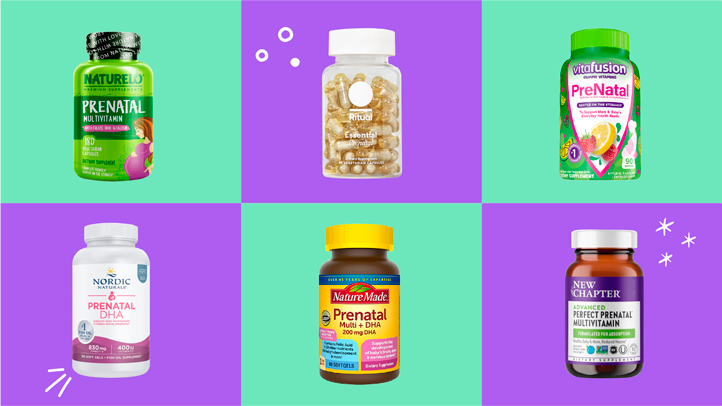
Pregnancy brings about a series of deep changes in your body, and with them, the need to include more vitamins and minerals to lead a healthy “sweet pregnancy”. But which vitamins are most important during pregnancy?
As you prepare for this life-changing journey, it’s essential to understand the role of vitamins in supporting your health and that of your baby. In this article, we’ll delve into the world of prenatal vitamins, exploring the key vitamins, their benefits, and how to incorporate them into your diet.
Vitamin A: The Eye-Catching Essential
Vitamin A is an essential vitamin that plays a crucial role in maintaining healthy vision, skin, and dental health. It’s also important for genetic transcription, immune system strengthening, and vision protection. When pairing with healthy fats is crucial, as the vitamin is soluble in fat and can be better absorbed and become more effective.
So, why is Vitamin A so crucial? Its benefits include supporting eye and skin health, as well as dental health, essential for genetic transcription, immune system strengthening, and vision protection. You can find it in carrots, sweet potatoes, dark leafy greens (cabbage, spinach, broccoli), lettuce, peaches, tuna, red peppers, melon, liver, eggs, milk, mango, and peas.
Vitamin B: The Energy-Boosting Trio
Vitamin B is a group of vitamins that should be added to your diet with attention, as they are some of the most important for pregnant women. In particular, vitamin B1 (thiamine) can regulate the nervous system and increase energy levels both for you and your baby.
The best foods to find thiamine in are meat, eggs, rice, pasta, nuts, cereals, vegetables, pork, and germ grains. Vitamin B2 (riboflavine) can improve visual neural networks and develop healthy vision for both you and your baby, contributing to skin health and ensuring adequate energy levels.
Foods rich in riboflavine are eggs, dairy products, fish, meat, and poultry. We’ll then move on to vitamin B3 (niacin), which serves to improve nerve function and digestive health, with additional benefits for the skin.
You can find it in meat, eggs, fish, milk, nuts, and cereals. Vitamin B6 (pyridoxine) is excellent for nervous system strength, increasing red blood cell formation that’s useful for you and your baby as well.
You’ll find it in abundance in poultry, fish, liver, and other meats, vegetables, dairy products, nuts, bananas, beans, rice, oatmeal. Finally, vitamin B12 (cobalamin) is essential for DNA synthesis, red blood cell formation, cerebral functions, and neurologic development.
Vitamin C: The Antioxidant Powerhouse
Of course, a vitamin C list can’t be left out! Its main benefits include being an antioxidant that protects cells and tissues, strengthens blood vessels, and increases skin elasticity. It also contributes to iron absorption.
You can find it in citrus fruits, broccoli, green and red peppers, sweet potatoes, beans, strawberries, papaya, and other exotic fruits.
Vitamin D: The Bone-Healthy Choice
Vitamin D is an essential ingredient for bone health, and not just that. If your doctor agrees, you can spend a few minutes in the sun to naturally produce vitamin D.
However, it’s possible to get doses of vitamin D from certain foods like fish, mushrooms, milk, eggs. Always if your doctor agrees, take specific supplements.
Vitamin E: The Free Radical Fighter
Finally, let’s move on to vitamin E, which ensures protection against free radicals. During pregnancy, vitamin E is extremely important, and you can take in abundance from delicious food products, allowing your body to form and use red blood cells, strengthening muscles as well as internal organs.
For the baby, benefits are numerous: vitamin E contributes to improved red blood cell formation, circulation, and protection against free radicals, contributing to healthy muscle development.
You’ll find it in abundance in spinach, nuts (especially almonds), vegetable oil, sunflower seeds, tomatoes, germ grains, enriched cereals.
Iron and Folic Acid: The Dynamic Duo
In addition to the vitamins mentioned earlier, iron and folic acid are also essential for a healthy pregnancy. Iron is crucial for carrying oxygen to your baby’s growing body, while folic acid helps prevent birth defects of the brain and spine.
You can find iron in red meat, poultry, fish, beans, lentils, fortified cereals, and nuts. Folic acid is abundant in leafy greens like spinach, broccoli, and other dark vegetables, as well as citrus fruits, strawberries, and papaya.
Calcium: The Bone-Building Vitamin
Calcium is essential for building and maintaining strong bones and teeth during pregnancy. You can find it in dairy products, fortified plant-based milk, leafy greens like kale and spinach, and calcium-fortified cereals.
Vitamin K: The Clotting Powerhouse
Vitamin K plays a crucial role in blood clotting and is essential for preventing bleeding during delivery. You can find it in leafy greens like spinach, broccoli, and other dark vegetables, as well as fermented foods like sauerkraut and kimchi.
The Importance of Consulting Your Doctor
Considering the delicacy of this period, our suggestion is to consult your doctor to plan a proper diet before starting pregnancy, ensuring you get the best nutrients for you and your baby. Your healthcare provider can help you create a personalized nutrition plan that meets your specific needs.
They will also be able to monitor your vitamin levels throughout your pregnancy and recommend supplements if necessary.
Conclusion
As you navigate the world of prenatal vitamins, it’s essential to remember that each vitamin plays a unique role in supporting your health and that of your baby. By incorporating these essential vitamins into your diet, you’ll be setting yourself up for a healthy pregnancy and a happy, healthy baby.
FAQs
- What is the most important vitamin during pregnancy?
While all the vitamins are crucial, Vitamin A is often considered the most important due to its role in eye and skin health, as well as genetic transcription, immune system strengthening, and vision protection. - Can I get too much Vitamin D?
Yes, it’s possible to get too much Vitamin D. While some sunlight exposure can help produce vitamin D, taking excessive supplements can lead to toxicity. - What are the best foods for Vitamin B6?
Poultry, fish, liver, and other meats, vegetables, dairy products, nuts, bananas, beans, rice, oatmeal are all rich in Vitamin B6. - Can I take Vitamin C supplements during pregnancy?
Yes, Vitamin C supplements can be beneficial during pregnancy, especially if you’re not getting enough from your diet. However, always consult with your healthcare provider before taking any supplements. - How much Vitamin E should I take during pregnancy?
The recommended daily intake of Vitamin E varies by age and sex. Pregnant women typically need 15 milligrams per day. Consult with your healthcare provider to determine the best dosage for you. - Can I get vitamin D from sunlight exposure alone?
While some sunlight exposure can help produce vitamin D, it’s not enough on its own. You’ll still need to consume foods rich in vitamin D or take supplements to meet your daily needs. - What are the benefits of Vitamin B12 during pregnancy?
Vitamin B12 is essential for DNA synthesis, red blood cell formation, cerebral functions, and neurologic development. It also helps prevent birth defects of the brain and spine. - How can I ensure I’m getting enough vitamins during pregnancy?
Consult with your healthcare provider to create a personalized nutrition plan that meets your specific needs. You can also talk to a registered dietitian or prenatal vitamin specialist for guidance.
Additionally, consider the following tips:
- Eat a balanced diet that includes a variety of fruits, vegetables, whole grains, lean proteins, and healthy fats.
- Take prenatal vitamins as directed by your healthcare provider.
- Stay hydrated by drinking plenty of water throughout the day.
- Limit your intake of sugary drinks and foods high in added sugars.
- Avoid smoking and limit your exposure to secondhand smoke.
By following these tips and consulting with your healthcare provider, you can ensure a healthy pregnancy and a happy, healthy baby.


