
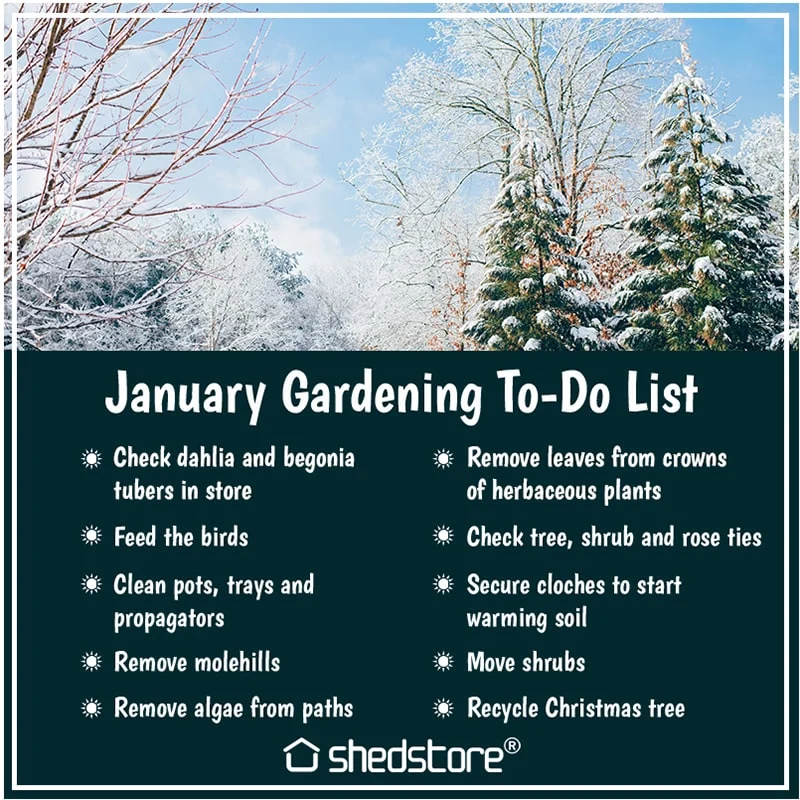
As the new year begins, many of us make a conscious effort to take better care of our outdoor spaces. This can be seen as a metaphorical act of nurturing our own personal growth and well-being. So, how can we prepare our gardens for success in January? In this article, we will explore the essential steps to take when starting your garden in January, from preparing the soil to planting new seeds and harvesting winter produce.
Preparing the Soil: Winter Maintenance
Before we can plant anything new, it’s essential to give our soil some TLC. If you don’t have a greenhouse or heated indoor space, your garden will need to adapt to the changing seasons. Start by removing any dead plants that may have survived from the previous year and begin preparing the soil for the upcoming growing season.
This involves loosening the surface to prevent compaction and checking if the soil is still frozen. If it’s not, you can start adding organic matter to give the soil a boost. Rethink the mulch you’ve applied in the past months, as winter has likely broken down any existing material.
As you prepare your soil, keep an eye out for any signs of pests or diseases that may have overwintered. Check for slugs and snails, which can be active during the coldest months, and consider using copper tape to deter them. Also, inspect your plants for any signs of disease, such as black spots on leaves or yellowing stems.
Choosing What to Plant: Seed Selection
January is an excellent time to plan your garden for the upcoming season. Take stock of what seeds you want to plant and make sure you have everything you need before the growing season begins.
In our seedbeds, we typically start with cool-season crops like spinach, kale, or Brussels sprouts during the waning moon phase. These plants thrive in cooler temperatures and can tolerate some frost. For warmer climates, it’s best to wait until the lunar cycle shifts to the waxing phase before planting warm-season crops.
When selecting seeds, consider the specific growing conditions of your garden and choose varieties that are well-suited for those conditions. For example, if you live in an area with cold winters, choose seed varieties that are resistant to frost or have a long maturation period.
If you’re new to gardening, it’s also essential to start with easy-to-grow crops like tomatoes, cucumbers, and zucchini. These plants are relatively low-maintenance and can thrive in a variety of conditions.
Harvesting in January: Winter Produce
Don’t forget that winter is still here, and there are plenty of delicious crops available during this time. Some of our favorite harvests include:
- Bitter greens like kale, spinach, and collard greens
- Brassicas like broccoli, cauliflower, and cabbage
- Root vegetables like carrots, beets, and turnips
- Alliums like garlic and onions
In addition to these tasty crops, you can also forage for fruits from your trees and bushes. January is a great time to harvest apples, pears, and citrus fruits.
When harvesting winter produce, make sure to follow proper food safety guidelines. Wash all produce thoroughly before using it in cooking or eating raw. Also, consider preserving some of your winter crops by freezing, dehydrating, or canning them for later use.
Winter Composting: Turning Waste into Gold
Composting is an excellent way to reduce waste and create nutrient-rich soil for your garden. However, during the winter months, it’s essential to modify your composting strategy to accommodate the cold temperatures.
Start by collecting food scraps and yard waste in a designated area of your garden or yard. Add these materials to a cold compost pile or bin, which is specifically designed to break down organic matter at lower temperatures.
As you add new materials to your compost pile, keep an eye out for signs of anaerobic conditions, such as ammonia emissions or a strong, sour smell. These can indicate that the pile has become too hot and needs to be turned or aerated.
Pruning and Training: Shaping Your Garden
January is also an excellent time to prune and train your plants to maintain their health and promote new growth. Prune any dead or diseased branches from fruit trees, shrubs, and perennials to prevent the spread of disease and encourage healthy regrowth.
When pruning, use clean tools and make cuts at a 45-degree angle to prevent water from collecting on the cut surface. Also, consider training your plants to grow in more desired shapes or sizes by using techniques like espaliering or topiary.
The Best Books for Learning Gardening
If you’re new to gardening or looking to improve your skills, there’s no better way to learn than by reading about it. One excellent resource is the book “Orto facile per tutti” (Easy Gardening for Everyone). This comprehensive guide covers everything from planning and planting to maintenance and harvesting.
With its accessible language and practical advice, this book is perfect for anyone looking to start or improve their garden. And at just $14.99, it’s an affordable way to take your gardening skills to the next level.
Other excellent resources for learning gardening include:
- “The New Seed Starter’s Handbook” by Nancy Bubel
- “The Vegetable Gardener’s Bible” by Edward C. Smith
- “The Garden Primer” by Barbara Damrosch
Conclusion
Starting a new garden in January can seem daunting, but with the right planning and preparation, you’ll be on your way to a thriving outdoor space in no time. By focusing on soil preparation, seed selection, pruning, and harvesting, you’ll set yourself up for success all year round.
Remember to also take care of winter pests and diseases, and consider using copper tape to deter slugs and snails. With the right mindset and techniques, you can create a beautiful and productive garden that will provide you with fresh produce and joy all year round.
Additional Tips for Starting Your Garden in January
- Consider starting your garden indoors before moving it outside when the weather warms up.
- Use cold frames or hoop houses to extend the growing season and protect your plants from frost.
- Start a winter greenhouse or sunroom to provide a warm and protected space for seedlings and early-season crops.
- Take advantage of winter weather patterns, such as snow cover, to create a natural mulch and suppress weeds.
By following these tips and techniques, you’ll be well on your way to starting a successful garden in January. Happy gardening!


