
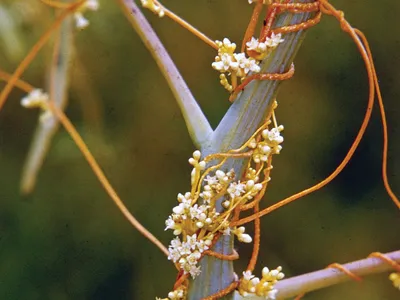
As a gardener, taking care of your plants is not an easy task. Caring for indoor plants can be just as challenging as maintaining a beautiful garden. One of the most significant challenges you’ll face is dealing with plant parasites that can compromise their health.
Recognizing Plant Parasites: Symptoms to Look Out For
Not all parasites are created equal, and it’s essential to know how to identify them. While plants have natural defense mechanisms to alert us to potential threats, observing symptoms is crucial for taking action. Let’s explore the common signs of a plant parasite attack:
Foliage Damage
Before we dive into specific parasites, it’s essential to examine the foliage for any damage. Check if the leaves are covered in white or brown powders (whiteflies or aphids), have a dusty appearance (caterpillars or spider mites), or display yellowish and dark spots (mosquitoes).
Plant Decline
Observe your plant’s overall health. Is it weakening, losing its luster, or dropping leaves? These are all warning signs that something is amiss.
Common Plant Parasites: A Closer Look
Now that we’ve covered the general symptoms, let’s delve into some of the most common plant parasites and their effects on your garden:
Aphids (Greenfly)
Aphids are tiny insects that feed on plant sap. They produce a sticky substance called honeydew, which can attract other pests like ants and wasps.
- Damage: Stunted growth, distorted leaves, and curled or discolored leaves.
- Where to find them: Aphids infest most garden plants, especially roses, lettuce, and tomatoes.
- How to control them: Spray with water, use neem oil or insecticidal soap.
Whiteflies
Whiteflies are another common pest that can transmit plant viruses. They lay eggs on the underside of leaves.
- Damage: Yellowing or stunted growth, especially on young plants.
- Where to find them: Whiteflies infest a wide range of plants, including tomatoes, peppers, and eggplants.
- How to control them: Use sticky traps, yellow sticky traps, or insecticidal soap.
Caterpillars
Caterpillars can cause significant damage to your garden. Some species are harmless, while others can be devastating.
- Damage: Holes in leaves, stunted growth, and distorted stems.
- Where to find them: Caterpillars infest a wide range of plants, including tomatoes, peppers, and squash.
- How to control them: Hand-picking, Bt (Bacillus thuringiensis) or spinosad.
Spider Mites
Spider mites are tiny arachnids that feed on plant sap. They can cause significant damage to your garden.
- Damage: Yellowing or stunted growth, especially on young plants.
- Where to find them: Spider mites infest a wide range of plants, including roses, lettuce, and tomatoes.
- How to control them: Spray with water, use neem oil or insecticidal soap.
Mosquitoes
Some mosquito species can harm your garden. They lay eggs on the surface of leaves.
- Damage: Holes in leaves, stunted growth, and distorted stems.
- Where to find them: Mosquitoes infest a wide range of plants, including tomatoes, peppers, and eggplants.
- How to control them: Hand-picking or insecticidal soap.
Fungus
Fungus can also harm your garden. Some species are harmless, while others can be devastating.
- Damage: Discoloration, lesions, or patches on leaves or stems.
- Where to find them: Fungus can infest a wide range of plants, including roses, lettuce, and tomatoes.
- How to control them: Use fungicides or neem oil.
Virus
Some plant viruses can be difficult to identify. They can cause significant damage to your garden.
- Damage: Discoloration, lesions, or patches on leaves or stems.
- Where to find them: Viruses can infest a wide range of plants, including tomatoes, peppers, and eggplants.
- How to control them: Use fungicides or neem oil.
Preventing Parasite Attacks
While it’s impossible to completely eliminate the risk of parasite attacks, there are steps you can take to minimize their impact:
Regular Inspections
Regularly inspect your plants for signs of damage or discoloration. Catching problems early on can make a big difference in preventing further damage.
Pruning and Training
Prune and train your plants regularly to maintain healthy growth and prevent pests from hiding.
Good Garden Hygiene
Maintain good garden hygiene by removing weeds, debris, and infested material.
Using Physical Barriers
Use physical barriers like fine mesh or fine netting to protect your plants from insects and other pests.
Biological Control Methods
Consider using biological control methods like introducing natural predators or parasites to control pest populations.
Conclusion
Identifying plant parasites can seem daunting, but by understanding the common symptoms and causes of infestation, you’ll be better equipped to address these issues. Regular inspections, pruning and training, good garden hygiene, physical barriers, and biological control methods can all help prevent parasite attacks on your plants. Stay vigilant and take action early to protect your beautiful and thriving garden.
Frequently Asked Questions
-
What is the most common plant parasite?
- Aphids (greenfly) are one of the most common plant parasites, causing damage to a wide range of crops.
-
How do I identify aphid infestation?
-
Look for curled or discolored leaves, stunted growth, and sticky honeydew on plant surfaces.
-
What is the best way to control spider mite infestations?
-
Use neem oil or insecticidal soap to spray affected plants.
-
Can I use physical barriers to prevent mosquito damage?
-
Yes, fine mesh or fine netting can protect your plants from mosquitoes and other pests.
-
How do I identify fungal infections in my garden?
-
Look for discoloration, lesions, or patches on leaves or stems.
-
Can viral diseases be treated?
-
While there is no cure for many plant viruses, fungicides or neem oil can help control their spread and prevent further damage.
By taking proactive steps to identify and address parasite attacks in your garden, you’ll be better equipped to protect your plants and enjoy a thriving and healthy garden.


