
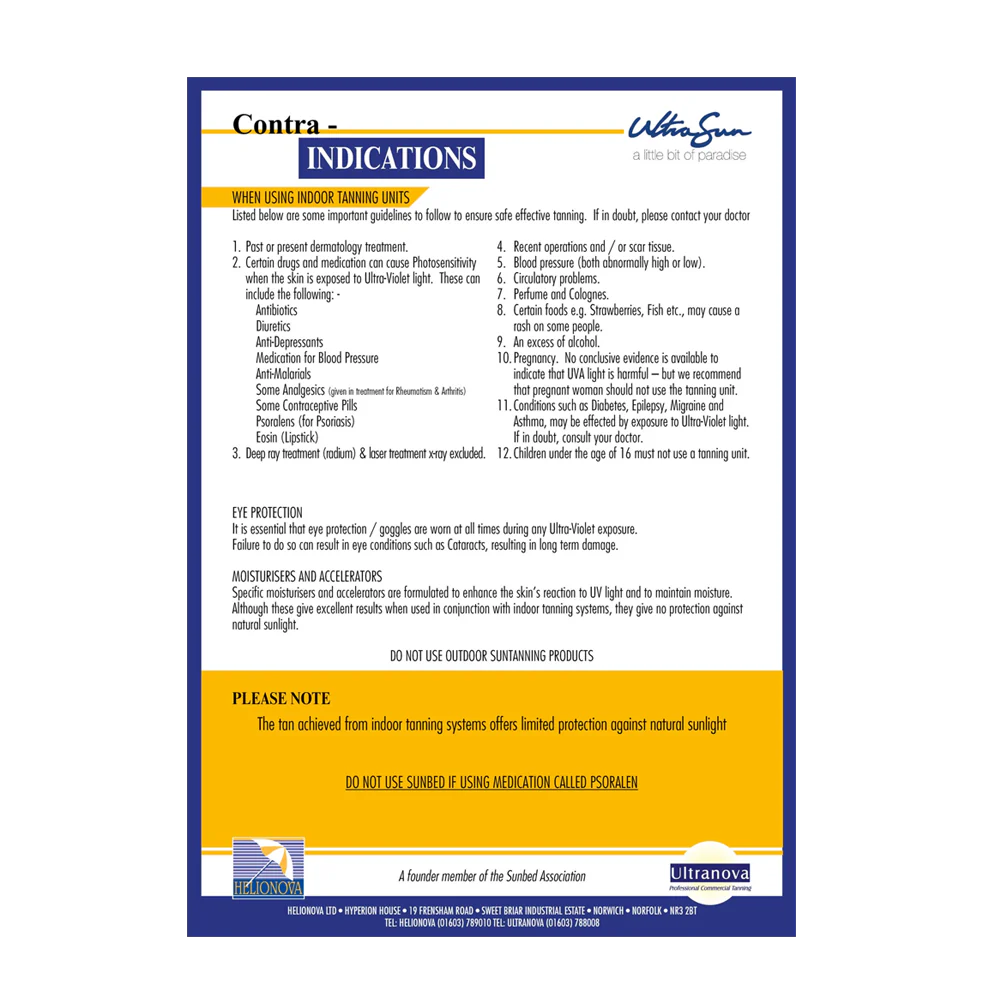
As the summer months approach, many of us are eager to get a tan. However, the risks associated with using tanning beds and lamps cannot be ignored. In this article, we will delve into the potential dangers of these devices and provide you with the information you need to make an informed decision about your skin health.
The Controversy Surrounding Tanning Beds and Lamps
Tanning beds and lamps have been at the center of controversy for years. On one hand, they offer a quick and convenient way to get a tan without exposing yourself to the sun’s harmful UV rays. On the other hand, many experts believe that these devices pose a significant risk to your skin health.
The Risks of Tanning Beds and Lamps
According to the International Agency for Research on Cancer (IARC), using tanning beds increases your risk of developing melanoma, the deadliest form of skin cancer. The IARC has classified UV-emitting tanning devices as “carcinogenic to humans,” meaning that they are considered to be a cause of cancer.
In addition to the cancer risks, tanning beds and lamps can also cause premature aging of the skin. This is due to the damage caused by UV radiation, which can lead to wrinkles, fine lines, and age spots.
The Science Behind Tanning Beds and Lamps
Tanning beds and lamps emit a type of radiation that damages the DNA in skin cells, leading to mutations and cancer. The most common types of radiation emitted by these devices are UVA and UVB rays. While some devices may claim to only emit UVA rays, many still contain UVB-emitting LEDs.
To put this into perspective, consider the following: a typical tanning bed can emit up to 5-10 times more UV radiation than the sun at your location. This is equivalent to spending hours in the sun without proper protection, which increases your risk of skin cancer and premature aging.
The Risks for People with Dark Skin
One of the most concerning aspects of tanning beds and lamps is their impact on people with dark skin. Research has shown that people with darker skin tones are more susceptible to the damaging effects of UV radiation, making them more at risk of developing skin cancer.
In addition, tanning beds and lamps can also cause hyperpigmentation in people with darker skin, leading to uneven skin tone and discoloration.
The Risks for the Eyes
Another significant risk associated with tanning beds and lamps is eye damage. The UV radiation emitted by these devices can cause severe irritation, inflammation, and even blindness if left untreated.
In fact, some studies have shown that people who use tanning beds regularly are at a higher risk of developing cataracts, a clouding of the lens in the eye that can lead to vision loss.
Precautions and Preparations
So, what can you do to protect yourself from the risks associated with tanning beds and lamps?
Here are some tips:
- Avoid using tanning beds altogether. If you’re looking for a tan, consider alternative methods like self-tanning products or spray tanning.
- Wear protective eyewear when using a tanning bed or lamp. This includes goggles or glasses that block UV radiation.
- Use a broad-spectrum sunscreen with at least SPF 30 when spending time outdoors.
- Avoid using tanning beds if you have dark skin or are prone to hyperpigmentation.
- Consider consulting with a dermatologist for personalized advice on protecting your skin from the sun and UV radiation.
Alternative Methods for Getting a Tan
If you’re looking for an alternative to tanning beds, there are many options available. Here are some of the most popular:
- Self-Tanning Products: Self-tanning products like lotions, sprays, and gels can give you a sun-kissed glow without the risks associated with tanning beds.
- Spray Tanning: Spray tanning is a popular method for getting a tan. The spray contains a solution that is applied to your skin using a special gun, giving you a natural-looking tan.
- Tanning Beds with UV-Free Options: Some tanning beds now offer UV-free options like LED lamps or infrared light therapy. These devices can give you a tan without the risks associated with traditional tanning beds.
Conclusion
While tanning beds and lamps may seem like a convenient way to get a tan, the risks associated with their use far outweigh any potential benefits. By understanding the dangers of these devices and taking steps to protect yourself, you can enjoy a healthy and glowing complexion without putting your skin health at risk.
FAQs
- Are tanning beds and lamps safe?
- How do I reduce my risk of skin cancer when using tanning beds or lamps?
- Can I still get a tan if I avoid using tanning beds altogether?
- What are some alternative methods for getting a tan without using tanning beds or lamps?
- Are there any specific precautions I should take to protect my eyes when using tanning beds or lamps?
- How can I prevent hyperpigmentation and uneven skin tone when using tanning beds or lamps?
- Can I still use tanning beds if I have dark skin?
- What are some common side effects of using tanning beds or lamps?
References
- International Agency for Research on Cancer (IARC). (2015). Skin cancer. Retrieved from https://www.iarc.fr/EN/CancerTreatments/SkinCancer/Skin-Cancer-2015.pdf
- American Academy of Dermatology. (2020). Skin cancer. Retrieved from https://www.aad.org/public/skin-cancer/overview
- Skin Cancer Foundation. (2020). Tanning beds and lamps. Retrieved from https://www.skincancer.org/risk/tanning-beds/
Disclaimer
This article is for informational purposes only and should not be considered as medical advice. If you have any concerns about your skin health or are considering using tanning beds, consult with a dermatologist for personalized advice.


