
Introduction
As we strive to reduce our carbon footprint and live more sustainably, innovative solutions like wood walls without glue have emerged as game-changers in the construction industry. In this article, we’ll delve into the world of sustainable building materials, exploring the benefits of Tavego, a pioneering brand that has revolutionized the way we think about wood construction.
The Benefits of Wood Walls Without Glue
Wood walls without glue offer numerous advantages over traditional building methods. By using natural wood products and eliminating synthetic adhesives, these walls can significantly reduce greenhouse gas emissions. According to various studies, every cubic meter of wood used in place of other construction materials can lower CO2 emissions by approximately 1.1 tons. Moreover, the production process itself generates around 0.9 tons of CO2, making Tavego a highly sustainable option.
The Impact on the Environment
Imagine a Europe where we’ve reduced greenhouse gas emissions by 25% by increasing wood usage in construction – that’s the potential benefit if we adopt more sustainable practices. To put this into perspective, consider the following chart, which compares the carbon footprint of various building materials with those of wood.
| Building Material | Carbon Footprint (t CO2/m³) |
|---|---|
| Steel | 1.4-1.6 |
| Concrete | 0.9-1.3 |
| Wood | 0.7-1.1 |
Why Monitor Sustainability?
While wood walls without glue have numerous benefits, it’s crucial for companies like Tavego to monitor their sustainability throughout every stage of production and distribution. This is where TAVEGO comes in – a life cycle assessment (LCA) tool developed by Marlegno, an Italian company with a strong commitment to environmental responsibility.
What is Life Cycle Assessment?
LCA is a comprehensive methodology for evaluating the environmental impacts of materials, methods of construction, or structures throughout their entire lifecycle. This includes extraction, transportation, production, use, and disposal phases. By applying LCA, TAVEGO ensures that all aspects of its products are accounted for in terms of environmental sustainability.
Key Environmental Concerns
LCA helps address several pressing environmental concerns:
- Global Warming Potential (GWP): The impact of greenhouse gas emissions on climate change.
- Ozone Depletion Potential: The potential damage to the ozone layer caused by certain substances.
- Material Depletion: The risk of exhausting natural resources through overconsumption.
- Energy Consumption: The amount of energy required for production and use.
- Water Pollution: The impact of industrial processes on water quality.
- Human Health Risks: The potential health hazards associated with certain materials or substances.
TAVEGO’s Life Cycle Assessment Process
Marlegno’s LCA process involves evaluating the environmental impacts of TAVEGO products throughout their entire lifecycle. This includes:
- Production Phase: Evaluating the extraction, transportation, and production processes.
- Use Phase: Assessing energy consumption, material usage, and waste generation during construction and operation.
- End-of-Life Phase: Examining recycling, reuse, and disposal practices.
TAVEGO’s Innovative Solution
By using natural wood products without synthetic adhesives, TAVEGO has created an innovative solution that reduces greenhouse gas emissions while promoting environmental sustainability. The company’s commitment to LCA ensures that all aspects of its products are accounted for in terms of environmental responsibility.
Benefits of Tavego Systems
TAVEGO offers four types of wood walls:
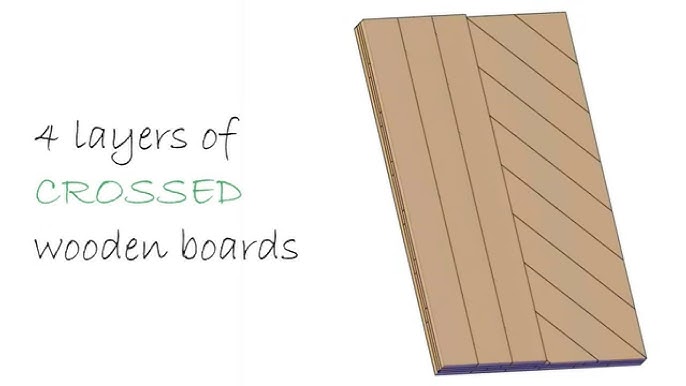
- CROSS-D: A structural panel made from glued-together wooden slats.
- ROSS-S: A load-bearing wall composed of connected wooden slats with metal fasteners.
- STACK-W: A structural panel featuring adjacent wooden slats connected by metal fasteners and covered with a layer of plastic.
- STACK-G: A load-bearing wall made from adjacent wooden slats connected by metal fasteners, covered with a layer of gypsum.
TAVEGO’s Commitment to Sustainability
TAVEGO is committed to sustainability, ensuring that all aspects of its products are environmentally responsible. The company has implemented the following measures:
- Sustainable Wood Sourcing: TAVEGO sources wood from Italian forests certified by PEFC (Pan-European Forest Certification).
- Low-VOC Materials: All materials used in TAVEGO systems have low VOCs, minimizing indoor air pollution.
Conclusion
In conclusion, Tavego has revolutionized the construction industry with its sustainable wood walls without glue. By using natural wood products and eliminating synthetic adhesives, TAVEGO has reduced greenhouse gas emissions while promoting environmental sustainability. The company’s commitment to LCA ensures that all aspects of its products are accounted for in terms of environmental responsibility.
Frequently Asked Questions
- What is the carbon footprint of Tavego systems?
The carbon footprint of Tavego systems depends on various factors, including production processes, transportation distances, and end-of-life management. - How does TAVEGO ensure sustainability throughout its entire lifecycle?
TAVEGO uses a life cycle assessment (LCA) tool to evaluate the environmental impacts of all stages of production and distribution. - What types of wood are used in Tavego systems?
TAVEGO only uses natural wood products from Italian forests certified by PEFC. - How does TAVEGO promote environmental sustainability?
TAVEGO promotes environmental sustainability through the use of low-VOC materials, sustainable wood sourcing, and efficient production processes.


