
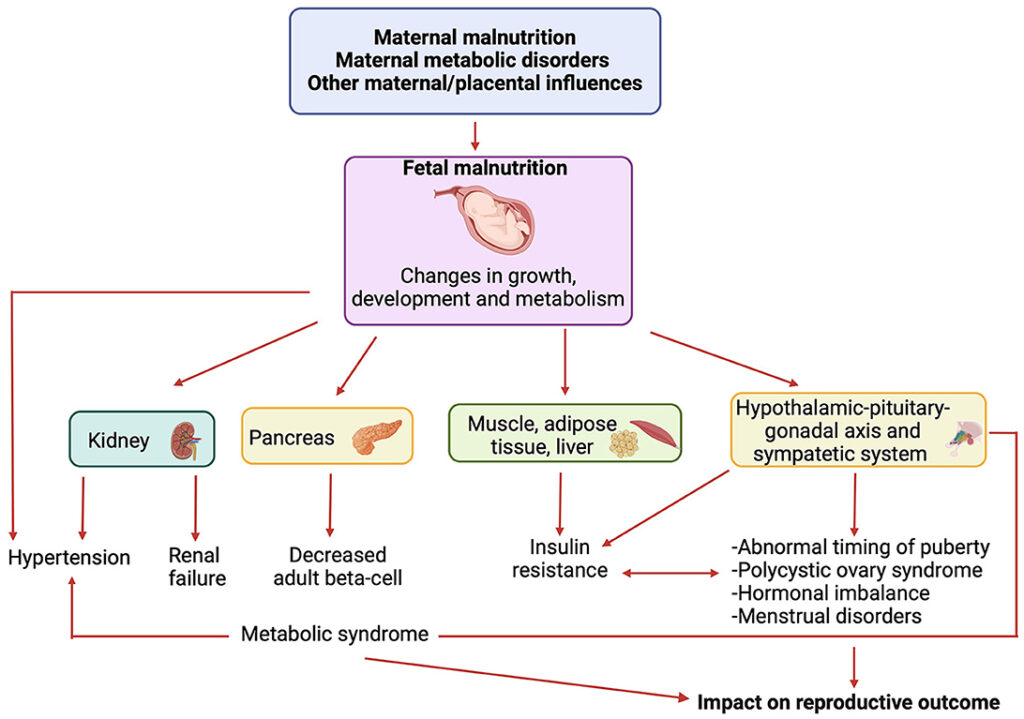
To fully grasp the concept of hormonal diets, it’s essential to delve into the science behind hormones and their role in regulating various bodily functions.
Hormones are chemical messengers produced by glands in the endocrine system, which plays a crucial role in maintaining homeostasis within the body. The endocrine system consists of several glands, including the thyroid gland, adrenal glands, pancreas, ovaries, and testes, each producing specific hormones that regulate various physiological processes.
Some key hormones include:
- Insulin: Regulates blood sugar levels
- Leptin: Influences energy balance and metabolism
- Thyroid hormone: Affects metabolism, growth, and development
- Estrogen: Involved in reproductive functions, bone density, and cardiovascular health
- Testosterone: Plays a crucial role in male fertility, muscle mass, and bone density
An imbalance or disruption to these hormone levels can lead to various issues, including weight gain, fatigue, mood disturbances, and even chronic diseases like diabetes, hypertension, and certain cancers.
The Role of Diet in Hormone Regulation
While the idea of hormonal diets may seem appealing, research suggests that diet alone cannot regulate hormone levels. Instead, a balanced diet rich in whole foods, fruits, vegetables, lean proteins, and healthy fats can support optimal hormone function.
Some key nutrients to consider:
- Omega-3 fatty acids: Supports thyroid function
- Fiber-rich foods: Promotes satiety, weight loss, and improved blood sugar control
- Vitamin D: Essential for bone health and immune function
- Probiotics: Supports gut health and immune system
The Impact of Stress on Hormone Regulation
Stress can have a profound impact on hormone regulation, leading to an overproduction or underproduction of various hormones. Chronic stress has been linked to issues like:
- Insulin resistance and type 2 diabetes
- Hypothyroidism (underactive thyroid)
- Adrenal fatigue
- Hormonal imbalances in women
Practicing stress-reducing techniques like meditation, yoga, or deep breathing can help mitigate the negative effects of chronic stress on hormone regulation.
The Importance of a Balanced Diet for Hormone Health
A well-balanced diet rich in whole foods can support optimal hormone function. Some key dietary considerations include:
- Eating regular meals to maintain stable blood sugar levels
- Incorporating probiotics and prebiotics to support gut health
- Drinking plenty of water to stay hydrated
- Limiting processed foods, added sugars, and saturated fats
By understanding the science behind hormonal diets and taking a holistic approach to hormone regulation, individuals can make informed choices about their overall well-being.
Recommended Reading:
- “The Hormone Cure” by Sara Gottfried
- “Women’s Bodies, Women’s Wisdom” by Christiane Northrup
- “The Endocrine Society’s Guide to Hormones”
- “The Gut-Brain Axis” by Dr. Emeran Mayer


