
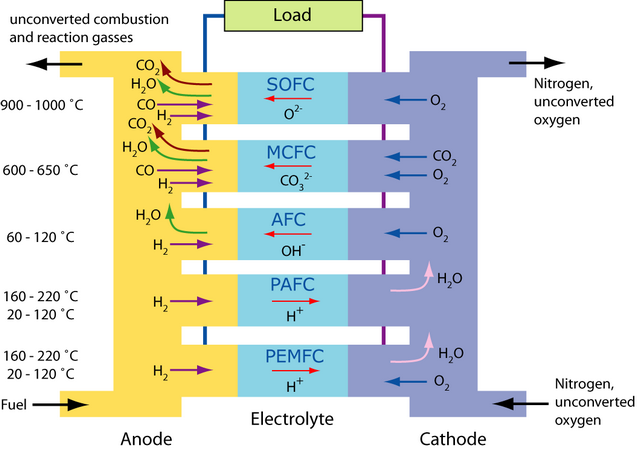
As the world shifts towards a more sustainable future, hydrogen fuel cells have emerged as a promising alternative for energy generation. These cells convert chemical energy into electrical energy and heat, offering a cleaner and more efficient way to power our homes, industries, and transportation systems.
What are Hydrogen Fuel Cells?
Hydrogen fuel cells come in various forms, but they all share the common goal of converting hydrogen (H2) and oxygen (O2) into electricity, water (H2O), and heat. The process involves an electrochemical reaction between the hydrogen and oxygen, resulting in a significant amount of energy being released.
The basic components of a hydrogen fuel cell include:
- Anode: This is where the chemical reaction begins, involving the breakdown of hydrogen molecules into protons and electrons.
- Cathode: The cathode is where oxygen is combined with the protons to form water.
- Electrolyte: A thin layer that facilitates the transfer of ions between the anode and cathode.
Types of Hydrogen Fuel Cells
There are several types of hydrogen fuel cells, each with its unique characteristics and applications:
- Proton Exchange Membrane (PEM) Fuel Cells
- Solid Oxide Fuel Cells (SOFCs)
- Alkaline Fuel Cells (AFCs)
Hydrogen Fuel Cells for Homes
These cells are ideal for home use, providing a clean and efficient source of electricity and heat.
Some benefits of using hydrogen fuel cells in homes include:
- Zero greenhouse gas emissions
- Low operating costs
- Increased property value
However, there are also some challenges to consider:
- Higher upfront costs
- Limited availability of hydrogen refueling infrastructure


