
Cleaning your makeup brushes regularly can extend their lifespan and make your makeup look more professional and effective. Despite this knowledge, many women tend to neglect cleaning their brushes, preferring instead to store them in their makeup case without any cleansing, or almost.
Why Clean Your Makeup Brushes?
Gloomy thoughts about your skin and a suboptimal beauty routine can be an unpleasant experience. However, by properly cleaning your makeup brushes, you’re not only maintaining the quality of your makeup but also taking care of your skin’s health. The buildup of bacteria, dead cells, and oils from your skin can lead to acne, infections, and even folliculitis.
The Importance of Cleaning Makeup Brushes for Skin Health
When makeup brushes are not cleaned regularly, they can harbor bacteria and other microorganisms that can cause a range of skin problems. Here are some ways in which dirty makeup brushes can affect your skin:
- Acne: Bacteria on the brush can clog pores and lead to acne breakouts.
- Infections: If you use a dirty brush to apply or remove makeup, you risk introducing bacteria into open wounds or cuts on the skin, leading to infections.
- Folliculitis: Repeated exposure to bacteria on dirty brushes can cause folliculitis, an inflammation of the hair follicles that can lead to painful bumps and redness.
The Benefits of Regular Brush Cleaning
Regularly cleaning your makeup brushes can have a range of benefits for both your skin and your beauty routine. Here are some advantages of keeping your brushes clean:
- Better Makeup Application: Clean brushes make it easier to apply makeup evenly and smoothly, ensuring that you get the desired look.
- Improved Brush Performance: Regularly cleaning your brushes helps to maintain their shape and prevent shedding or fraying.
- Increased Hygiene: By regularly washing your brushes, you can reduce the risk of bacterial infections and keep your skin healthy.
How to Clean Makeup Brushes: A Step-by-Step Guide
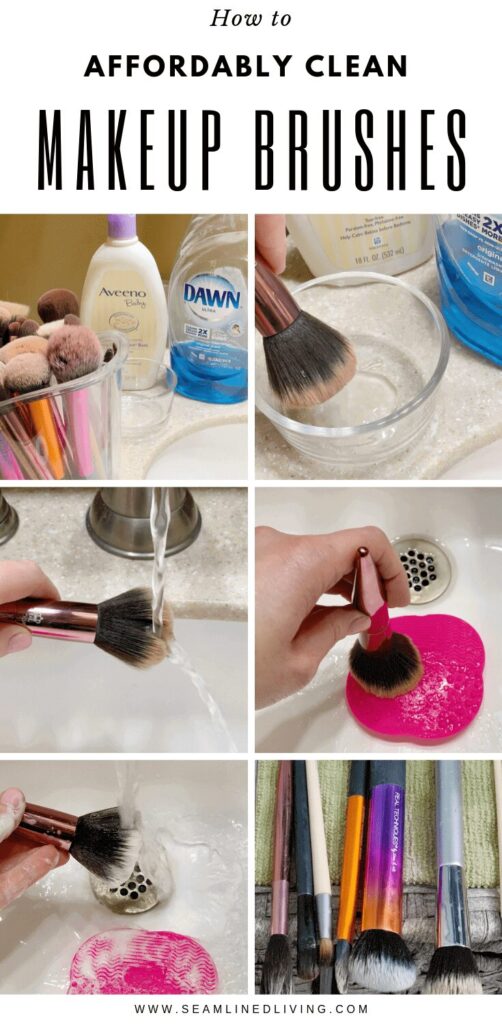
Cleaning your makeup brushes is a simple process that requires just a few minutes of your time. Here’s a step-by-step guide:
- Immerse the Brush in Warm Water
Dip each brush individually into warm water, making sure to saturate the bristles thoroughly. - Apply Shampoo or Soap
Gently massage shampoo or soap into the bristles using your fingers for 30 seconds to create a rich lather. - Rinse Thoroughly
Rinse the brush under running water until all soap residue is removed, and the bristles are clean and shiny. - Repeat If Necessary
If there are still remaining debris or oil on the brush, repeat steps 1-3.
The Best Way to Clean Makeup Brushes
It’s essential to understand that not all brushes can be washed in a washing machine. The heat from the machine can damage the glue holding the bristles to the handle, making the brush unusable. However, you can still clean your brushes by hand or with a gentle cycle under the shower.
Tips for Maintaining Your Makeup Brushes
To ensure your makeup brushes remain clean and hygienic:
- Clean your brushes at least once a week, depending on how often you use them.
- Choose brushes made from natural fibers, which can be washed more frequently than synthetic fibers.
- Avoid using hot water or harsh chemicals when cleaning your brushes, as they can damage the materials.
- Store your cleaned brushes in a well-ventilated area to prevent moisture buildup.
The Difference Between Natural and Synthetic Fibers
Natural fibers like sable and mongoose are prone to oil absorption, making them more challenging to clean. However, some natural fibers can be washed and reused multiple times. Synthetic fibers like nylon and polyester are easier to maintain but may lose their shape if not cleaned properly.
Special Care for Specific Brush Types
- Washable brushes: Clean as described above.
- Waterproof brushes: Wipe clean with a damp cloth or hand soap, avoiding submerging in water.
- Natural fiber brushes: Wash by hand with mild soap and warm water. Allow to air-dry.
Additional Tips for Long-Lasting Brushes
To extend the life of your makeup brushes:
- Clean them regularly to prevent bacterial buildup.
- Avoid over-shampooing, as this can strip the bristles of their natural oils.
- Store your brushes in a cool, dry place to prevent moisture accumulation.
Conclusion: The Importance of Cleaning Makeup Brushes
Cleaning your makeup brushes is an essential part of maintaining good hygiene and ensuring the effectiveness of your makeup routine. By following these simple steps and tips, you can keep your brushes clean and prolong their lifespan. Remember, proper cleaning can make a significant difference in the quality of your makeup and overall skin health.
Frequently Asked Questions
- How often should I clean my makeup brushes?
Cleaning your makeup brushes at least once a week is recommended. - Can I wash my makeup brushes in the washing machine?
No, it’s not recommended to wash your makeup brushes in a washing machine as it can damage the glue and bristles. - How do I clean waterproof makeup brushes?
Clean your waterproof makeup brushes with a damp cloth or hand soap, avoiding submerging them in water. - What is the best way to store my makeup brushes?
Store your cleaned makeup brushes in a cool, dry place, away from direct sunlight and moisture.
Additional Resources
For more information on cleaning makeup brushes, consider visiting the following websites:


