
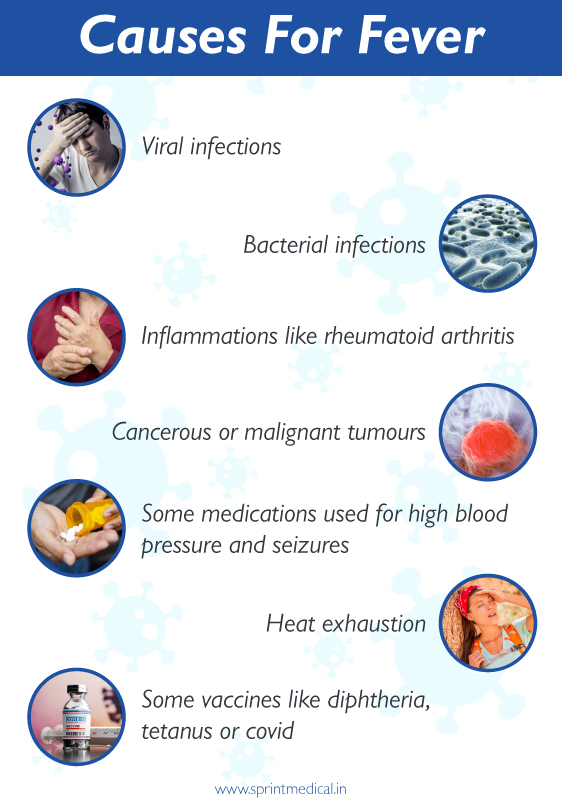
Fever is an increase in body temperature above optimal levels, which triggers a defense mechanism to fight off invading viruses and bacteria. While the fever is essential for our immune system, it can be uncomfortable and debilitating with accompanying symptoms like headaches, coughs, and general malaise. In these cases, reducing the fever can alleviate associated symptoms.
Understanding Fever
Before we explore remedies for lowering fever, let’s understand its significance. Fever is a natural response to an infection or illness, helping our body fight off pathogens. However, when it persists or worsens, it can lead to complications. In such cases, seeking medical attention is crucial.
When to Seek Medical Attention
In some instances, fever may be a symptom of a more serious condition, such as pneumonia, meningitis, or sepsis. If you’re experiencing any of the following, consult a healthcare professional:
- High fever (over 103°F/39.4°C) that lasts for an extended period
- Severe headache, stiff neck, or confusion
- Difficulty breathing or rapid heartbeat
- Vomiting or diarrhea that persists
Natural Remedies for Lowering Fever
Before we dive into specific remedies, it’s essential to consult with a healthcare professional, especially if you have any underlying medical conditions or are taking medications.
Here are some natural remedies that may help lower fever:
Antipiretics Naturalis
Certain herbs and supplements can aid in reducing fever. These include:
- Cranberry: Known for its ant-inflammatory and anti-bacterial properties, cranberry may help alleviate symptoms associated with fever.
- Red currant: The extract of red currant berries has been shown to have antipyretic effects, making it a potential natural remedy for lowering fever.
Home Remedies
In addition to herbal remedies, there are some home remedies that can help reduce fever:
- Stay hydrated by drinking plenty of fluids, such as water or clear broths.
- Avoid over-bundling up in bed, as this can lead to increased body heat.
- Keep your environment cool by avoiding hot surfaces like radiators or heaters.
Medicinal Plants
Certain plants have been used for centuries to treat fever:
- Crespino: Known for its antibacterial and diuretic properties, crespino may help reduce fever.
- Silver birch: The bark of the silver birch tree contains salicylic acid, which has antipyretic effects.
Herbal Supplements
Certain herbal supplements can also aid in reducing fever:
- Willow bark: Containing salicylic acid, willow bark has been used for centuries to treat pain and reduce fever.
- Ginger: Known for its anti-inflammatory properties, ginger may help alleviate symptoms associated with fever.
Alternative Therapies
While herbal remedies and home treatments can aid in reducing fever, alternative therapies like acupuncture or chiropractic care may also be beneficial:
- Acupuncture: Stimulating specific points on the body can help reduce fever by promoting blood flow and relieving pain.
- Chiropractic care: Adjusting the spine and other joints can help improve circulation and relieve pressure on the nervous system.
When to Use Medication
While natural remedies can aid in reducing fever, medication may be necessary for severe cases or if symptoms persist:
- Over-the-counter medications like acetaminophen (Tylenol) or ibuprofen (Advil or Motrin) can help reduce fever and alleviate associated symptoms.
- Prescription medications like antipyretics or antibacterial agents may also be prescribed by a healthcare professional.
Preventing Fever
Preventing fever is always the best course of action. Practicing good hygiene, such as frequent handwashing, can help prevent illness and reduce the risk of developing fever:
- Wash your hands regularly with soap and water.
- Avoid close contact with individuals who are sick.
- Keep surfaces and objects clean to prevent the spread of illness.
Conclusion
Lowering fever is essential in alleviating symptoms associated with illness. While natural remedies like herbs, home treatments, and medicinal plants can aid in reducing fever, it’s crucial to consult a healthcare professional if you’re experiencing persistent or severe fever. By understanding the significance of fever and exploring natural and medical remedies, you can take the first step towards recovery.
Frequently Asked Questions
- Can I use over-the-counter medications without consulting a doctor?
- It’s always best to consult with a healthcare professional before taking any medication, especially if you have underlying medical conditions or are taking other medications.
- How long does it take for fever to subside?
- Fever can take anywhere from a few hours to several days to resolve, depending on the underlying cause and individual factors.
- Can I treat fever with home remedies alone?
- While some home remedies may help alleviate symptoms associated with fever, they should not replace medical treatment. Consult with a healthcare professional if you’re experiencing persistent or severe fever.
- What are the signs of dehydration due to fever?
- Signs of dehydration include excessive thirst, dark urine, decreased urine output, and dizziness or lightheadedness.
- Can I give medication to children without consulting a doctor?
- Always consult with a healthcare professional before giving medication to children, as they may have different dosing instructions and potential interactions with other medications.
- How can I prevent fever in the first place?
- Practicing good hygiene, such as frequent handwashing, can help prevent illness and reduce the risk of developing fever.
- Can I treat fever with alternative therapies like acupuncture or herbal supplements?
- While some people find relief from fever through alternative therapies, consult with a healthcare professional before using any new treatments, especially if you have underlying medical conditions or are taking medications.
- What are the potential complications of untreated fever?
- Untreated fever can lead to serious complications, such as meningitis, sepsis, or kidney damage.


