
Are you tired of dealing with a calf strain? Do you know the first step to take when it happens? In this article, we’ll delve into the world of calf strains, exploring their causes, types, and treatment options.
What is a Calf Strain?
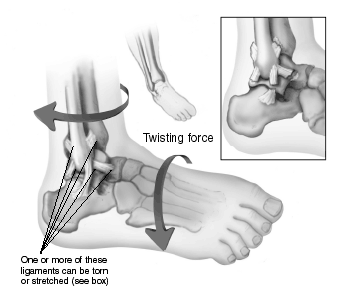
A calf strain is a common injury that occurs when one or more ligaments in the calf muscle are stretched or torn. This can cause pain, swelling, and limited mobility in the affected area. While it may seem like a minor issue, a severe strain can lead to chronic instability and recurrent injuries.
Types of Calf Strains
There are three main types of calf strains:
- First-degree strain: mild stretching or inflammation of the ligaments
- Second-degree strain: partial tear or rupture of the ligament
- Third-degree strain: complete tear or rupture of the ligament
Causes and Risk Factors
Calf strains can occur due to various reasons, including:
- Overuse or repetitive stress on the calf muscle
- Poor footwear or inadequate support
- Sudden changes in exercise intensity or duration
- Landing from a jump incorrectly
- Muscle imbalances or weaknesses
Symptoms and Diagnosis
The symptoms of a calf strain may include:
- Pain and swelling in the affected area
- Limited mobility or stiffness
- Redness and warmth around the injury site
- Swelling that persists for more than 48 hours
A proper diagnosis can only be made by a medical professional, who will assess the severity of the strain and recommend treatment options.
Treatment Options
The goal of treatment is to reduce pain and inflammation, promote healing, and prevent further injury. The following are some common treatment options:
- Rest, Ice, Compression, Elevation (RICE): reducing pain and swelling by resting the affected area, applying ice, compressing with a bandage or wrap, and elevating the foot
- Physical therapy: restoring range of motion, strengthening surrounding muscles, and improving overall mobility
- Medication: over-the-counter pain relievers such as ibuprofen or acetaminophen to reduce pain and inflammation
Prevention
While it’s impossible to completely prevent calf strains, there are steps you can take to reduce the risk:
- Wear proper footwear that provides adequate support and cushioning
- Incorporate strengthening exercises for the calf muscles into your workout routine
- Gradually increase exercise intensity and duration to avoid sudden changes
- Practice good landing techniques when engaging in high-impact activities
Conclusion
Calf strains are common injuries that can be painful and debilitating. By understanding their causes, types, and treatment options, you can take steps to prevent or manage them effectively. Always consult with a medical professional for proper diagnosis and treatment.
FAQs
- What is the best way to treat a calf strain?
- Rest, Ice, Compression, Elevation (RICE) followed by physical therapy and medication as needed
- Can I use over-the-counter pain relievers for a calf strain?
- Yes, but always follow the recommended dosage and consult with a medical professional if necessary
- How long does it take to recover from a calf strain?
- Recovery time varies depending on the severity of the strain, but can range from 2-6 weeks or more
Additional Tips
- Maintain proper posture when standing or walking to avoid putting excessive stress on the calf muscles
- Use orthotics or shoe inserts to support and cushion the foot
- Incorporate calf stretches into your daily routine to improve flexibility and reduce muscle tension
By taking proactive steps to prevent and manage calf strains, you can maintain optimal mobility and performance.


