
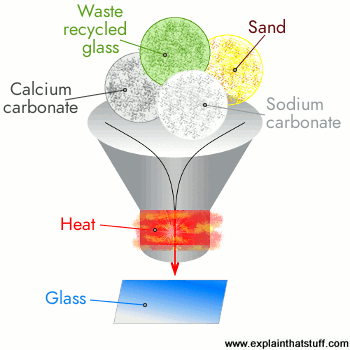
Glassmaking is an ancient art that has been practiced for thousands of years. It involves shaping molten glass into various forms, such as bottles, jars, and windows. In this article, we will delve into the process of glassmaking, exploring its history, techniques, and applications.
Introduction to Glassmaking
Glassmaking can be broadly categorized into two processes: producing flat glass (such as sheets and mirrors) and making hollow glass objects (like bottles and jars). Both processes involve melting raw materials, called glass cullet, and shaping them into the desired form. The four primary stages of glassmaking are:
- Preparing the Raw Materials
The first step in glassmaking is to prepare the raw materials. This involves collecting and processing sand, soda ash, and limestone (sodium carbonate) to create a glass formula. - Melting the Glass Formula
The next stage is to melt the glass formula in a furnace at extremely high temperatures (around 1400°C). The melting process can take several hours, depending on the size of the batch. - Forming and Shaping the Glass
Once the glass is molten, it is formed into the desired shape using various techniques such as blow-and-blow, float glass, or pressing. - Cooling and Finishing the Glass
There are two main types of glass: soda-lime glass (most common) and lead crystal glass. Soda-lime glass contains a small amount of lime (calcium oxide), which reduces its melting point and makes it more workable.
Types of Glass
Glass comes in various forms, including:
- Soda-Lime Glass: The most common type of glass, used for bottles, jars, windows, and other applications.
- Lead Crystal Glass: A specialized type of glass that contains lead oxide, which increases its refractive index and makes it more sparkling.
Glassmaking Process
The glassmaking process involves several stages:
- Batching: The raw materials are mixed together in a specific ratio to create the glass formula.
- Melting: The glass formula is melted in a furnace at extremely high temperatures.
- Forming: The molten glass is formed into the desired shape using various techniques such as blow-and-blow, float glass, or pressing.
- Cooling: The glass is cooled slowly to prevent stresses and breakage.
Applications of Glass
Glass has numerous applications in various fields, including:
- Bottles and Jars: Glass containers are used for storing food, beverages, and other products.
- Windows and Doors: Glass windows and doors provide natural light and insulation.
- Furniture and Decorations: Glass is used to create beautiful furniture, decorative items, and architectural features.
The History of Glassmaking
Glassmaking has a rich history that spans thousands of years. The earliest evidence of glassmaking dates back to ancient Mesopotamia around 2500 BC. The process was later adopted by the Egyptians and Romans, who used it to create beautiful vessels and windows.
During the Middle Ages, glassmaking became a highly skilled craft, with many guilds forming to protect their trade secrets. The Industrial Revolution brought mass production techniques to glassmaking, making it more accessible and affordable for people around the world.
Modern Glassmaking
Today, glassmaking is a complex process that involves advanced technologies and techniques. Modern glassmakers use computer-aided design software to create intricate designs and shapes, while also employing sustainable practices to minimize their environmental impact.
The development of new materials and technologies has also led to the creation of innovative glass products, such as tempered glass for safety glazing and fiber-optic glass for high-speed internet applications.
Conclusion
Glassmaking is an ancient art that has been practiced for thousands of years. It involves shaping molten glass into various forms, such as bottles, jars, and windows. The process of glassmaking requires great skill and attention to detail, but the results are well worth it. Whether you’re looking to create beautiful furniture or functional containers, glass is an excellent choice.
FAQs
- What is glass made of?
Glass is typically made from a mixture of silicon dioxide (sand), soda ash, and limestone. - How is glass made?
The process of making glass involves melting raw materials in a furnace and shaping them into the desired form using various techniques such as blow-and-blow or float glass. - What are the different types of glass?
There are two main types of glass: soda-lime glass (most common) and lead crystal glass, which contains lead oxide for increased refractive index. - How is glass cooled after it’s made?
The glass is cooled slowly to prevent stresses and breakage using techniques such as annealing or tempering. - What are the applications of glass?
Glass has numerous applications in various fields, including bottling, windows, furniture, decorations, and more.
Additional Resources
- Watch our video on “How Glass is Made” to learn more about the process.
- Check out our blog post “The History of Glassmaking” for a fascinating look at the ancient art of glassmaking.


