
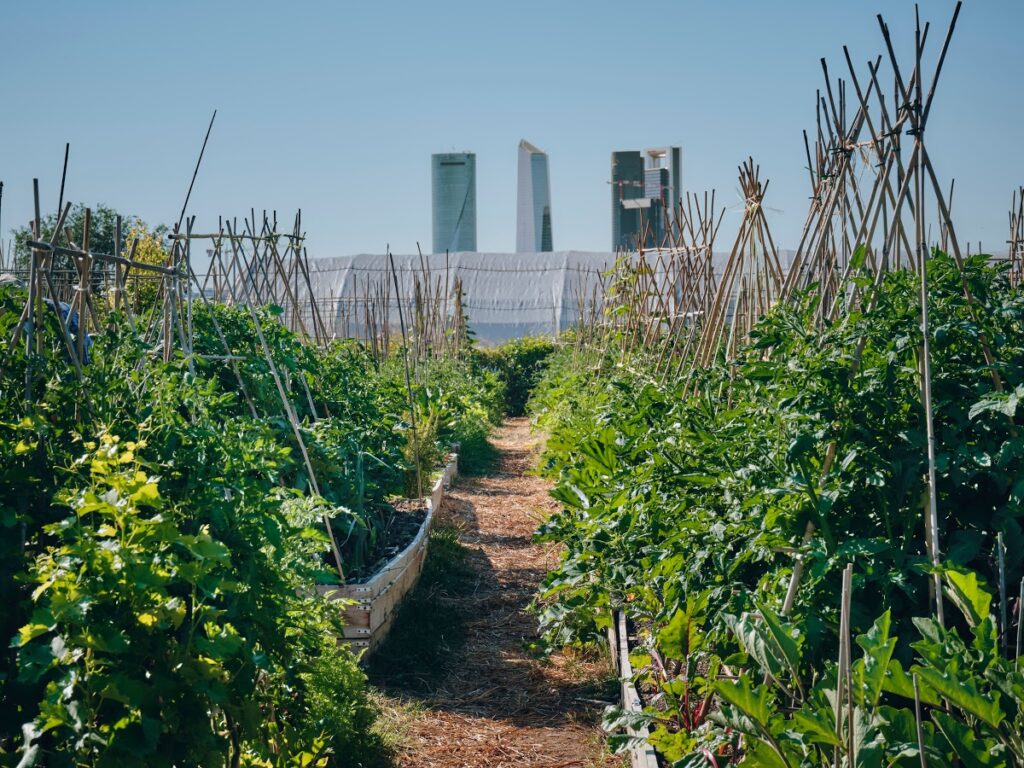
As I walked through the streets of Milan, I stumbled upon a hidden gem – an urban garden that had been transforming lives and promoting sustainability. With over 25,000 square meters of cultivated land, this project is not only a feast for the eyes but also a testament to the power of community-driven initiatives.
How Did This Urban Garden Come to Be?
The journey began in 2003, when a group of passionate individuals decided to create an urban garden on a neglected site. The first phase involved constructing small plots within a large area, which were then handed over to 10 volunteers who would spend a season learning about sustainable gardening practices. Based on their experiences, the team designed and expanded the garden, incorporating new features and techniques.
As word spread about this innovative project, more people began to request access, leading to an exponential growth in the number of plots. Today, this urban garden is one of the largest and most successful initiatives of its kind in Milan, covering 180 plots ranging from 75 to 100 square meters.
Choosing the Right Location
When selecting a site for an urban garden, it’s essential to consider its history and potential environmental impact. The area where our garden stands was initially destined for park expansion, but we chose it because of its clean history as an agricultural plot. We wanted to ensure that the land had been minimally treated with chemicals and pesticides.
The Challenges and Costs Involved
Creating an urban garden requires significant effort and investment. From providing access to clean water to constructing natural fencing and ensuring proper waste management, every aspect demands attention. The cost of establishing the garden was substantial, with initial investments totaling over €130,000 per hectare. Additionally, ongoing expenses like maintenance and staffing also contribute to the overall budget.
Who Benefits from This Urban Garden?
The primary beneficiaries of this urban garden are families who frequent it regularly. Many have already adopted sustainable lifestyles before joining the garden community, but through their experiences, they gain practical knowledge and skills. Other groups that participate include friends, retirees, working professionals, students, and even solidarity buying groups.
What’s Grown in This Urban Garden?
Our urban garden produces a variety of fruits and vegetables characteristic to our region and climate. From early spring primers like rapanelli, fava beans, and peas to mid-April salads, tomatoes, peppers, zucchini, corn, bietolas, spinach, and herbs, there’s something for everyone to enjoy. While certain winter crops like broccoli and cauliflower are challenging to grow due to the local climate conditions.
Socialization and Community Building
One of the most surprising benefits of this urban garden is its ability to foster social connections among its users. Every day, you can spot people from different walks of life coming together – children playing in the open space, elderly couples enjoying a morning stroll, working professionals unwinding over lunch breaks, and families having picnics on weekends.
Love at First Sight: The Power of Community
Who would have thought that an urban garden could be the catalyst for new friendships and even romantic connections? The Alma Rosé company, which regularly hosts events like “Concerto tra gli orti” (Garden Concert), tells the heartwarming story of two widows who met at our garden and went on to create a new family together.
The Future of Urban Gardening
While there’s still work to be done in terms of standardizing urban planning regulations, we’re proud of what we’ve achieved so far. Our experience serves as a testament to the potential of community-driven initiatives in promoting sustainable living and environmental stewardship.
Sustainable Practices: A Key Component of Urban Gardening
One of the most important aspects of creating an urban garden is adopting sustainable practices that minimize waste, reduce energy consumption, and promote biodiversity. By implementing rainwater harvesting systems, composting toilets, and using organic fertilizers, we can create a more environmentally friendly space.
Innovative Ideas for Urban Gardens
As urban gardens continue to grow in popularity, innovative ideas are emerging to address the unique challenges of these spaces. One example is the use of hydroponics and aeroponics, which allow plants to be grown without soil, reducing water consumption and increasing crop yields. Another idea is the incorporation of vertical gardening, where plants are trained to climb up walls or trellises, maximizing space and promoting air circulation.
Community Engagement: The Heart of Urban Gardening
Community engagement is a crucial aspect of urban gardening, as it fosters social connections and promotes a sense of belonging among users. By hosting regular events, workshops, and meetings, we can encourage participation, share knowledge, and build a supportive community around our garden.
Challenges and Opportunities: A Review of Urban Gardening
Urban gardening presents both challenges and opportunities for individuals, communities, and cities. On the one hand, creating an urban garden requires significant resources and effort, including land acquisition, infrastructure development, and maintenance costs. However, on the other hand, urban gardens offer numerous benefits, such as improved air quality, reduced energy consumption, and increased community engagement.
Best Practices for Creating Urban Gardens
To create successful urban gardens, several best practices should be followed. Firstly, it’s essential to choose a location with suitable climate conditions and access to clean water resources. Secondly, the garden should be designed to incorporate sustainable features, such as rainwater harvesting systems and composting toilets. Thirdly, community engagement is critical, as it fosters social connections and promotes a sense of belonging among users.
Conclusion: The Power of Urban Gardening
In conclusion, urban gardens have the potential to transform lives, promote sustainability, and build stronger communities. By adopting sustainable practices, incorporating innovative ideas, and fostering community engagement, we can create vibrant green spaces that benefit both individuals and society as a whole.
Frequently Asked Questions: Creating Urban Gardens for Good Habits
Q1: How did this urban garden get started?
A1: The journey began in 2003 with the initial planting of small plots within an existing agricultural site. The first phase involved selecting 10 volunteers to test sustainable gardening practices.
Q2: What inspired you to choose this location for your urban garden?
A2: We carefully selected the area due to its history as an agricultural plot and minimal environmental impact.
Q3: How do you maintain such a large space with various users?
A3: Ongoing expenses, including maintenance and staffing costs, contribute to the overall budget. Effective management ensures a harmonious coexistence among all users.
Q4: What benefits have you seen from this urban garden for its users?
A4: Participants in our garden have improved their knowledge of sustainable gardening practices and adopted healthier eating habits.
Q5: Can you tell us about some of the events or activities held at your urban garden?
A5: We host various community events, including concerts, picnics, and workshops on sustainable gardening techniques.
Q6: How has this urban garden impacted local social dynamics?
A6: Our garden serves as a hub for connection among community members, fostering friendships and promoting a sense of belonging.
Q7: Do you have any advice for those interested in starting their own urban gardens?
A7: Yes! Consider the history of your chosen location, involve the community from the beginning, and prioritize sustainability.
Q8: What’s next for this urban garden project?
A8: We plan to continue promoting sustainable living practices through education and community engagement initiatives.


