
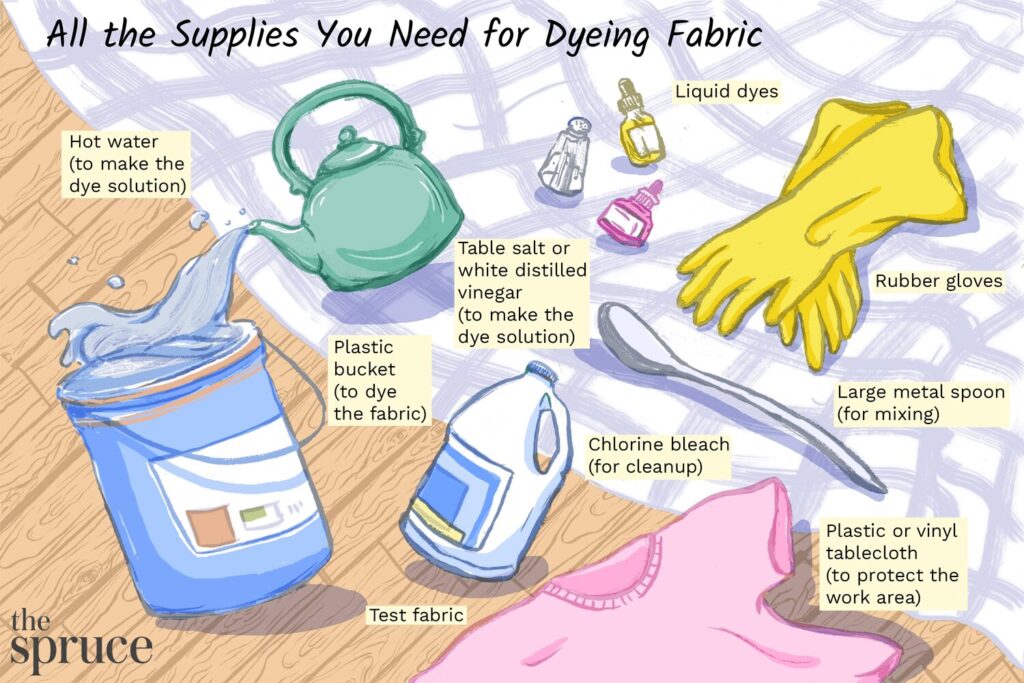
Introduction
Dyeing fabrics is an ancient art that requires patience, skill, and a deep understanding of the materials involved. From natural dyes to synthetic colors, there are many ways to color your fabrics and give them a unique touch. In this article, we will explore the world of fabric dyeing, covering both traditional methods and modern techniques.
Understanding Fabric Dyeing
Fabric dyeing is the process of adding color to fabric using various techniques and materials. The type of fiber used can greatly affect the final result, with natural fibers like cotton, wool, and silk responding well to natural dyes, while synthetic fibers may require more aggressive dyes or chemicals.
Natural Dyes vs. Synthetic Colors
Natural dyes are derived from plants, minerals, and other natural sources, offering a range of colors without the use of harsh chemicals. Examples include indigo, madder lake, and weld. On the other hand, synthetic colors are man-made and often more vibrant but can be harsher on fabrics.
Preparing for Fabric Dyeing
Before you begin dyeing your fabric, make sure it is clean and free of finishes that may affect the color. Wash the fabric in hot water to remove any impurities and then rinse it thoroughly. This process ensures a smooth and even color distribution.
Choosing Your Colorant
There are two primary types of colorants for fabric: natural dyes and synthetic colors. Natural dyes can be obtained from plants, minerals, or other natural sources, while synthetic colors are man-made and often more vibrant but harsher on fabrics.
Natural Dye Recipes
Here are a few examples of natural dye recipes:
- Madder Lake: A deep red color made by boiling madder root in water.
- Weld: A bright yellow color obtained by boiling weld flowers in water.
- Indigo: A blue-violet color achieved by steeping indigo leaves in water.
Synthetic Color Options
If you prefer to use synthetic colors, there are many options available. Some popular brands include:
- Marabu Fashion Spray: A popular choice for fabric dyeing, offering a range of vibrant colors.
- Fashion Colors: A professional-grade fabric dye line featuring a wide range of colors.
Tips and Tricks
Here are a few tips to keep in mind when working with fabric dyes:
- Always follow the manufacturer’s instructions when using synthetic colors or natural dyes.
- Use gloves and protective eyewear when handling chemicals or natural dyes.
- Test your colorant on an inconspicuous area of the fabric before applying it to the entire piece.
Modern Techniques
In recent years, new techniques have emerged that can help you achieve unique and complex colors. Some popular methods include:
- Shibori: A Japanese technique that involves folding or twisting fabric to create intricate patterns.
- Ombre: A method of gradating colors from light to dark, often using natural dyes.
- Dipping: A technique that involves dipping fabric in a dye bath to achieve a uniform color.
Natural Dye Techniques
In addition to synthetic colors, natural dyes can be used to create unique and complex colors. Some popular techniques include:
- Indigo Resist: A method of using indigo dye to resist other colors.
- Madder Lake Gradient: A technique that involves gradating madder lake colors from light to dark.
Synthetic Color Techniques
If you prefer to use synthetic colors, there are many techniques available. Some popular methods include:
- Spraying: A method of using fabric spray to achieve a uniform color.
- Tying: A technique that involves tying fabric to create intricate patterns.
- Dipping: A method of dipping fabric in a dye bath to achieve a uniform color.
Common Mistakes
When working with fabric dyes, it’s easy to make mistakes. Here are some common errors to avoid:
- Over-dyeing: Applying too much dye can result in an uneven or too-dark color.
- Under-dyeing: Not applying enough dye can result in a pale or washed-out color.
- Mixing colors incorrectly: Combining different dyes without proper knowledge and precautions can result in unexpected color outcomes.
Conclusion
Fabric dyeing is a fun and rewarding process that can add unique character to your clothing and textiles. Whether you prefer natural dyes or synthetic colors, there are many options available to suit your needs. By following these tips and techniques, you can create stunning fabrics with a one-of-a-kind look.
Frequently Asked Questions
Q: How do I prepare my fabric for dyeing?
A: Before dyeing your fabric, make sure it is clean and free of finishes that may affect the color. Wash the fabric in hot water to remove any impurities and then rinse it thoroughly.
Q: What are some popular natural dyes?
A: Some popular natural dyes include madder lake, weld, and indigo. These dyes can be obtained from plants, minerals, or other natural sources and offer a range of colors without the use of harsh chemicals.
Q: How do I apply synthetic colors to fabric?
A: When using synthetic colors, always follow the manufacturer’s instructions and test your colorant on an inconspicuous area of the fabric before applying it to the entire piece. Wear gloves and protective eyewear when handling chemicals or natural dyes.
Q: Can I use any type of fabric for dyeing?
A: No, not all fabrics are suitable for dyeing. Natural fibers like cotton, wool, and silk respond well to natural dyes, while synthetic fibers may require more aggressive dyes or chemicals. Always check the care label before starting your dyeing project.
Q: How long does it take to achieve the desired color?
A: The time it takes to achieve the desired color can vary depending on the type of dye used, the fiber content, and the specific instructions provided by the manufacturer. Generally, natural dyes can take several hours or even days to achieve the desired color, while synthetic colors may require shorter processing times.
Q: Can I mix different types of dyes?
A: Yes, you can mix different types of dyes, but be aware that this can affect the final result. Natural dyes and synthetic colors have different properties and pH levels, which can impact their compatibility. Always follow the manufacturer’s instructions when mixing dyes.
Q: What are some common mistakes to avoid?
A: Some common mistakes to avoid include over-dyeing, under-dyeing, or not following the manufacturer’s instructions. Also, be careful not to mix different types of dyes without proper knowledge and precautions.
Q: How do I care for my dyed fabric?
A: After dyeing your fabric, it is essential to follow the recommended washing and drying instructions provided by the manufacturer. This will help maintain the color and prevent fading over time.


