
Introduction to Brucellosis
Brucellosis, also known as Malta fever, is an infectious disease that affects animals but can also be transmitted to humans. Despite its relatively low profile, it’s essential to understand the risks and symptoms of brucellosis to protect yourself.
What is Brucellosis?
Brucellosis is caused by bacteria from the genus Brucella, which are typically found in animals such as cattle, sheep, and pigs. The most common strains responsible for human infections are Brucella abortus, Brucella suis, and Brucella melitensis.
When an animal contracts this disease, it exhibits various symptoms, including abortion late in gestation, testicular inflammation, and fertility issues. However, not all infected animals show obvious signs of illness; the bacteria can remain latent, making diagnosis challenging.
How is Brucellosis Transmitted?
Brucellosis is primarily spread through direct contact with infected animals or their bodily fluids, such as semen, milk, and saliva. Infected animals can also transmit the disease through indirect routes, like contaminated feed, water, or soil.
Some countries take brucellosis very seriously and implement strict protocols to control its spread. For example, Switzerland requires official declarations of animal vaccination records for cattle, sheep, and goats before they are sold or moved to a new location.
Brucellosis in Humans
Humans can also contract brucellosis through various means:
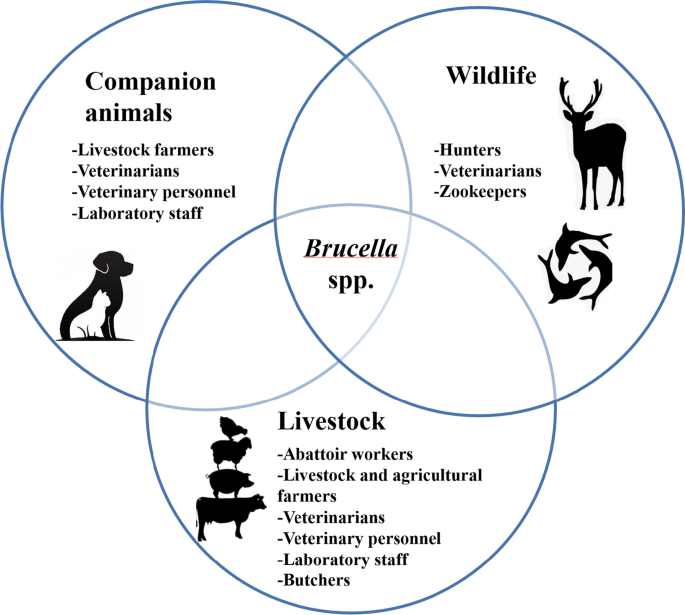
- Direct contact with infected animals, such as veterinarians, farmers, hunters, and slaughterhouse workers
- Exposure to contaminated animal feces or bodily fluids, like drinking unpasteurized milk or consuming meat products from infected animals
- Cutting or puncturing the skin with an object that has come into contact with the bacteria
The risk of transmission is higher for individuals who work closely with livestock.
Recognizing Brucellosis Symptoms in Humans
Brucellosis symptoms in humans can be extensive and varied. Common signs include:
- Fever: Accompanied by night sweats, loss of appetite, and gastrointestinal problems
- Musculoskeletal pain: Pain in muscles and joints that may worsen over time
- Gastrointestinal issues: Diarrhea, vomiting, or abdominal pain
- Fatigue: Feeling weak or tired
In some cases, the symptoms may be mild and intermittent, while in others, they can become chronic.
Treating Brucellosis
Antibiotics are typically prescribed to treat brucellosis, which can help alleviate symptoms within a few weeks. It’s essential to complete the full course of treatment as directed by your healthcare provider.
Prevention is also crucial, especially for individuals who work with livestock. This includes:
- Ensuring proper vaccination and testing procedures
- Implementing strict hygiene practices, like wearing gloves and masks when handling animals or their products
- Sterilizing equipment and materials that come into contact with infected animals
- Properly disposing of animal waste and carcasses
By understanding the risks and taking preventative measures, we can minimize the risk of contracting brucellosis.
Risk Factors for Brucellosis
Certain groups are more at risk for developing brucellosis:
- Veterinarians: Direct contact with infected animals increases their risk
- Farmers and ranchers: Handling livestock daily can lead to transmission
- Hunters: Hunting infected animals can spread the disease
- Slaughterhouse workers: Exposure to contaminated meat products increases their risk
- Laboratory personnel: Handling Brucella bacteria in a laboratory setting can cause infection
Prevention Strategies
While brucellosis is usually transmitted through direct contact, there are steps you can take to reduce your risk:
- Wear protective gear: Gloves, masks, and eye protection when handling animals or their products
- Maintain proper hygiene: Regularly clean equipment and surfaces that come into contact with infected animals or their bodily fluids
- Avoid consuming unpasteurized dairy products: Unpasteurized milk can contain Brucella bacteria
- Cook meat thoroughly: Cooking meat to the recommended internal temperature (usually 165°F) can kill Brucella bacteria
Diagnosis and Testing
If you suspect you have contracted brucellosis or are at risk, consult a healthcare professional for guidance and proper diagnosis.
- Blood tests: To detect antibodies against Brucella in your blood
- Sputum tests: To identify the presence of Brucella bacteria in your sputum
- Serology tests: To determine whether you have developed immunity to Brucella
Treatment and Prognosis
Antibiotics are usually prescribed to treat brucellosis, which can help alleviate symptoms within a few weeks. The prognosis is generally good if treatment begins promptly.
However, some individuals may experience:
- Chronic illness: Symptoms persisting for months or even years after initial treatment
- Complications: Brucellosis can lead to complications such as heart valve issues, osteomyelitis, and meningitis in rare cases
Conclusion
Brucellosis is a preventable disease that can be contracted through direct contact with infected animals or their bodily fluids. By understanding the risks and taking preventative measures, we can minimize the risk of contracting brucellosis.
If you suspect you may have contracted Brucellosis or have concerns about this disease, consult a healthcare professional for guidance and proper diagnosis.


