
Understanding Restless Legs Syndrome (RLS): Causes, Symptoms, and Treatment Options
Restless legs syndrome (RLS), also known as gambe senza riposo in Italian, is a common neurological disorder characterized by an overwhelming urge to move the legs. This condition affects millions of people worldwide and can significantly impact their quality of life. In this article, we will delve into the causes, symptoms, treatment options, and lifestyle modifications that can help alleviate RLS.
What are the Symptoms of Restless Legs Syndrome?
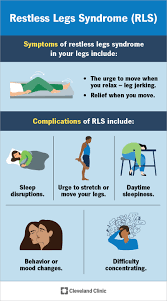
The symptoms of RLS are sensitive to rest, and they worsen with inactivity. People with RLS often experience an uncontrollable urge to move their legs, which can be accompanied by discomfort, pain, or a creeping sensation. In some cases, people may feel like they need to tap their feet or stretch their legs to alleviate the symptoms.
Symptoms of RLS can vary from person to person, but common experiences include:
- Urge to move: A strong urge to move the legs, which can be accompanied by discomfort or pain.
- Cramping and twitching: Cramps or twitches in the legs, which can be relieved by movement.
- Paresthesia: A tingling or numbness sensation in the legs, which can feel like pins and needles.
- Sleep disturbances: Difficulty falling asleep or staying asleep due to RLS symptoms.
Causes of Restless Legs Syndrome
While the exact causes of RLS are still not fully understood, several factors can contribute to its development. Some potential triggers include:
- Iron deficiency: A lack of iron in the diet can lead to RLS.
- Anxiety and stress: High levels of anxiety and stress can exacerbate RLS symptoms.
- Genetics: Family history plays a role in the development of RLS.
- Neurological disorders: Certain conditions, such as Parkinson’s disease, multiple sclerosis, and peripheral neuropathy, can increase the risk of developing RLS.
- Medications: Certain medications, such as antidepressants, antihistamines, and opioids, can trigger or worsen RLS symptoms.
Underlying Mechanisms
Researchers have proposed several underlying mechanisms that may contribute to the development of RLS. Some potential explanations include:
- Dopamine imbalance: Imbalances in dopamine levels may play a role in the development of RLS.
- Serotonin and norepinephrine imbalance: Imbalances in these neurotransmitters may also contribute to RLS symptoms.
Treatment Options for Restless Legs Syndrome
Fortunately, there are several treatment options available to help alleviate RLS symptoms. Some natural remedies include:
- Herbal supplements: Herbs like valeriana, melissa, and passiflora have been shown to be effective in reducing RLS symptoms.
- Magnesium and iron supplements: Taking magnesium and iron supplements can help alleviate RLS symptoms.
- Massage therapy: Massaging the legs can help reduce muscle tension and improve circulation.
Lifestyle Modifications for Restless Legs Syndrome
In addition to medical treatment, there are several lifestyle modifications that can help alleviate RLS symptoms. Some suggestions include:
- Regular exercise: Regular physical activity can help reduce muscle tension and improve overall health.
- Stress management techniques: Practicing stress-reducing activities like meditation or yoga can help manage anxiety and stress.
- A well-balanced diet: Eating a healthy, balanced diet that includes plenty of fruits, vegetables, whole grains, and lean protein sources can help reduce the risk of developing RLS.
Managing Insonnia Associated with Restless Legs Syndrome
For many people with RLS, insomnia is a common co-occurring condition. To manage insomnia associated with RLS, try these strategies:
- Establish a consistent sleep schedule: Go to bed and wake up at the same time every day.
- Create a relaxing bedtime routine: Engage in calming activities before bed, such as reading or taking a warm bath.
- Avoid stimulating activities before bedtime: Avoid activities that can stimulate your mind and body, such as watching TV or using electronic devices.
Managing Restless Legs Syndrome During Pregnancy
If you’re pregnant and experience RLS symptoms, there are several natural remedies that may help alleviate them. Some options include:
- Increased iron intake: Taking iron supplements or increasing your iron intake through food can help reduce RLS symptoms.
- Acupuncture: This ancient Chinese practice has been shown to be effective in reducing RLS symptoms.
- Massage therapy: Massaging the legs can help reduce muscle tension and improve circulation.
Managing Restless Legs Syndrome in Children
While RLS is more common in adults, it can also affect children. In pediatric patients, signs of RLS may include:
- Restlessness and fidgeting: Children with RLS may exhibit restlessness or fidgeting behaviors.
- Sleep disturbances: Sleep disturbances are a common symptom of RLS in children.
- Anxiety and stress: High levels of anxiety and stress can exacerbate RLS symptoms in children.
Conclusion
Restless legs syndrome is a complex condition that requires a comprehensive approach to management. By understanding the causes, symptoms, treatment options, and lifestyle modifications available for RLS, you can take steps to manage your condition and improve your overall quality of life.


