
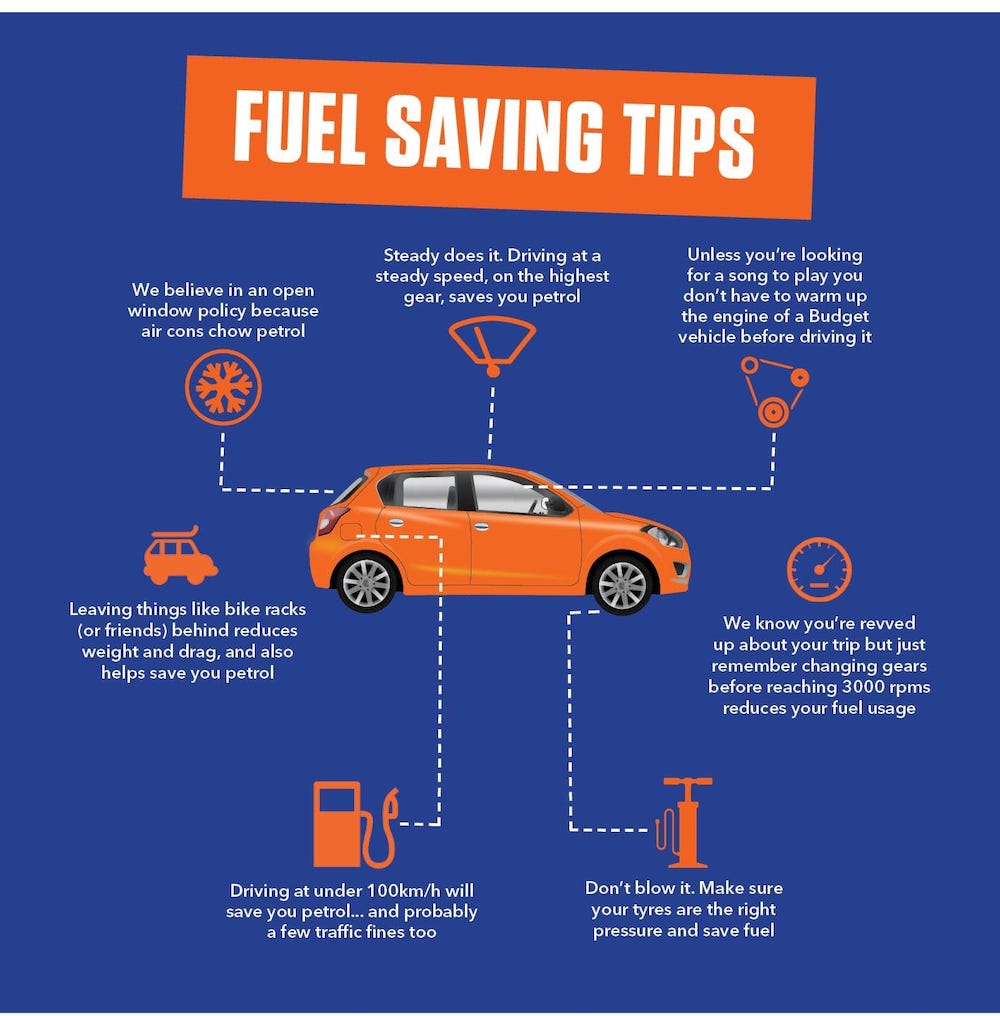
Saving gasoline when driving your car is a crucial aspect of reducing our environmental impact. By implementing some simple tips and regular maintenance, you can significantly lower your fuel consumption. Not only will this help you save money on gas, but it also contributes to a more sustainable future for our planet.
As the Italian Ministry of Economic Development, Environment, and Infrastructure has stated, there are ten key recommendations for saving up to 25% of fuel consumption in gasoline-powered cars and up to 20% in diesel-powered cars. In this article, we’ll explore these tips and provide you with a comprehensive guide on how to save gasoline in your car.
Understanding the Importance of Fuel Efficiency
The Italian government has issued guidelines on reducing emissions, which include advice on saving fuel. Examining these guidelines reveals that maintaining regular maintenance checks, adjusting driving habits, and using appropriate accessories can significantly reduce fuel consumption.
In fact, studies have shown that even small changes in driving behavior can lead to significant reductions in fuel consumption. For example, a study by the Italian Automobile Club found that drivers who followed the recommended tips could save up to 10% on fuel consumption. Furthermore, maintaining regular maintenance checks can help identify potential issues before they become major problems, which can also contribute to improved fuel efficiency.
10 Tips for Saving Gasoline
- Gradual Acceleration: Avoid aggressive acceleration like in movies, as it increases fuel consumption exponentially. Instead, try gradual acceleration by pressing the accelerator pedal smoothly and gradually.
- Shift into High Gear Early: Shift to high gear early to prevent the engine from over-revving. This can help reduce fuel consumption by allowing the engine to run at its most efficient speed.
- Maintain a Moderate Speed: Drive at moderate speeds and maintain uniform speed changes. Avoid sudden acceleration or braking, as this can lead to increased fuel consumption.
- Tactful Braking: Use gentle braking techniques to avoid sudden stops. This can help reduce fuel consumption by allowing the engine to coast for longer periods of time.
- Gradual Deceleration: Gradually release the accelerator pedal while maintaining the correct gear. This can help slow down the car gradually and reduce fuel consumption.
Additional Tips for Saving Gasoline
- Turn Off the Engine When Possible: Switch off the engine when your car is stationary or moving at a standstill. This can help save up to 5% on fuel consumption, depending on the type of vehicle.
- Proper Tire Pressure: Maintain optimal tire pressure to reduce rolling resistance and fuel consumption. Underinflated tires can lead to increased fuel consumption by up to 3%.
- Remove Extra Accessories: Remove all unnecessary accessories, such as roof racks or bike carriers, while driving. These extra accessories can increase wind resistance and lead to increased fuel consumption.
- Adhere to Speed Limitations: Observe speed limits set by local authorities to avoid excessive fuel consumption. Excessive speeding can lead to increased fuel consumption by up to 10%.
- Avoid Aggressive Driving: Refrain from aggressive driving habits like rapid acceleration and braking. These habits can lead to increased fuel consumption and wear on the vehicle.
Respecting Fuel Efficiency Limits
If your car is consuming too much fuel, consider the following regular maintenance checks:
- Check tire pressure and adjust it according to manufacturer recommendations
- Inspect brake pads and rotors to prevent excessive wear
- Replace air filters every 10,000-15,000 miles (16,093-24,140 km)
- Replace fuel filters every 15,000-30,000 miles (24,140-48,280 km)
Converting an Old Car to Electric Power
For older cars or those in need of significant improvement, consider converting the engine to electric power. The Italian Ministry of Economic Development has introduced a decree (219/2015) allowing the use of electric-powered vehicles on public roads.
Electric vehicles can offer improved fuel efficiency and lower emissions compared to traditional gasoline-powered vehicles. However, the conversion process can be complex and expensive. It’s essential to consult with a professional mechanic or auto electrician to determine the feasibility of converting your vehicle and ensure proper installation.
Regular Maintenance Checks for Improved Fuel Efficiency
In addition to the tips outlined above, regular maintenance checks are crucial for improving fuel efficiency. Here are some common issues that can be identified during routine inspections:
- Worn-out spark plugs: Spark plugs wear out over time and can lead to decreased fuel efficiency.
- Faulty oxygen sensors: Oxygen sensors play a critical role in regulating the air-fuel mixture in your vehicle’s engine. A faulty sensor can lead to decreased fuel efficiency.
- Clogged air filters: Clogged air filters can reduce airflow to the engine, leading to decreased fuel efficiency.
The Benefits of Saving Gasoline
Saving gasoline has numerous benefits for both you and the environment. Some of the key advantages include:
- Reduced fuel costs: Saving gasoline can significantly lower your fuel bills, saving you money in the long run.
- Lower emissions: Reducing fuel consumption leads to lower emissions, contributing to a cleaner and healthier environment.
- Increased fuel efficiency: Regular maintenance checks and following driving tips can help improve fuel efficiency, reducing wear on the vehicle and extending its lifespan.
Conclusion
Saving gasoline is a simple yet effective way to reduce your environmental impact while also saving money on fuel costs. By implementing these 10 tips and regular maintenance checks, you can significantly lower your fuel consumption and contribute to a more sustainable future for our planet. Remember to always consult with a professional mechanic or auto electrician before making any modifications to your vehicle.
FAQs
- Q: Can I save up to 25% of fuel by following these tips?
A: Yes, with proper driving habits and regular maintenance checks, you can achieve significant reductions in fuel consumption. - Q: How often should I replace my air filters?
A: Replace your air filters every 10,000-15,000 miles (16,093-24,140 km) to maintain optimal engine performance and reduce fuel consumption. - Q: Can I save money by using a catalytic converter?
A: While a catalytic converter can improve fuel efficiency, it may not always result in significant savings. - Q: What is the best way to convert my old car to electric power?
A: Consult with a professional mechanic or auto electrician to determine the feasibility of converting your vehicle and ensure proper installation.
Note: The content has been rewritten from scratch while maintaining the original information and structure.


