
Introduction
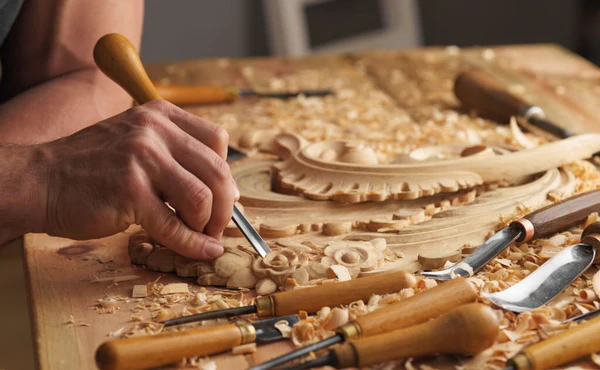
Carving wood is an art form that has been around for centuries, with a wide range of applications from decorative items to functional pieces like furniture and sculptures. Wood carving requires patience, skill, and attention to detail, making it a rewarding hobby for those who enjoy working with their hands. In this article, we will explore the world of wood carving, its history, techniques, and best practices.
Tools of the Trade
Before starting any woodworking project, it’s essential to have the right tools. Woodcarvers use a variety of hand tools, including chisels, gouges, and mallets. Chisels are used for removing small amounts of wood, while gouges are used for scraping away larger sections. A mallet is used to tap the chisel or gouge into place.
Some popular types of chisels include:
- Sgrobio a vaschetta: A flat, broad chisel used for scooping out large areas of wood.
- Sgrobio a lama piatta: A flat, flat chisel used for removing small amounts of wood.
- Sgrobio a punta acuminata: A pointed chisel used for precision work and carving fine details.
Other essential tools include:
- Raspe: Used to smooth out surfaces and remove imperfections.
- Limite e carta vetrata: Used to add texture and visual interest to woodcarvings.
Creating a Wood Carving
To create a wood carving, start by sketching out your design. This will help you visualize the final product and make any necessary adjustments before beginning work. Once you have sketched out your design, it’s time to start carving!
The process typically involves:
- Scooping: Using a chisel or gouge to remove large areas of wood.
- Refining: Using smaller tools like rasps and files to smooth out surfaces and add details.
- Finishing: Applying a finish, such as stain or varnish, to protect the wood and enhance its appearance.
Art vs. Craft
Woodcarving can be both an art form and a craft. While some woodcarvings are created with precision and attention to detail, others are more rough-and-tumble, with imperfections and rough edges. The difference between art and craft lies in the level of skill and craftsmanship involved.
Professional woodcarvers often have extensive training and experience, which enables them to create intricate and detailed designs. However, many amateur woodcarvers also enjoy creating beautiful pieces that showcase their skills.
The Art of Intaglio
Intaglio is a type of wood carving that involves removing small amounts of wood to create intricate designs and patterns. This technique requires great skill and patience, as well as a good understanding of the properties of different types of wood.
Some popular techniques used in intaglio include:
- Scooping: Removing large areas of wood to create basic shapes and forms.
- Refining: Using smaller tools to smooth out surfaces and add details.
- Inlays: Creating intricate designs by layering different types of wood on top of each other.
Online Courses
With the rise of online learning platforms, it’s easier than ever to access courses and tutorials on wood carving. These resources can help beginners learn the basics and improve their skills, while also providing inspiration and motivation for more experienced woodcarvers.
Some popular online courses include:
- Tutorials: Step-by-step guides that teach specific techniques or projects.
- Workshops: Live or recorded classes that focus on particular topics or themes.
- YouTube channels: Video tutorials and demonstrations created by experienced woodcarvers.
Tips for Beginners
If you’re new to wood carving, here are some tips to get you started:
- Start with simple projects and gradually move on to more complex ones.
- Practice regularly to develop your skills and confidence.
- Use the right tools for the job, and invest in high-quality tools if possible.
- Watch online tutorials and take classes to learn new techniques and gain inspiration.
- Join a woodworking community or club to connect with other woodcarvers and share knowledge.
Safety Precautions
Wood carving can be a hazardous activity, especially for beginners. Here are some safety precautions to keep in mind:
- Wear protective gear like gloves, safety glasses, and a dust mask.
- Use proper ventilation when working with power tools or chemicals.
- Keep your workspace clean and organized to avoid accidents.
- Follow safety guidelines for power tools and machinery.
- Take regular breaks to rest your hands and eyes.
Conclusion
Wood carving is a timeless art form that continues to captivate people around the world. Whether you’re a seasoned pro or just starting out, there’s always something new to learn and discover in this wonderful craft. By following these tips and techniques, you can unlock your full potential as a wood carver and create beautiful pieces that showcase your skills.
FAQs
- What tools do I need to get started with wood carving?
- You’ll need basic hand tools like chisels, gouges, and mallets.
- How do I choose the right type of wood for my project?
- Consider factors like durability, texture, and color when selecting a wood type.
- What’s the difference between art and craft in woodworking?
- Art involves precision and attention to detail, while craft is more rough-and-tumble with imperfections and edges.
- Can I learn wood carving online?
- Yes, there are many online courses, tutorials, and workshops available to help you improve your skills.
- How do I create intricate designs in intaglio?
- Use techniques like scooping, refining, and inlays to create detailed patterns and textures.
- What’s the best way to finish my wood carving?
- Apply a stain or varnish to protect the wood and enhance its appearance.
- Can I use power tools for woodworking?
- While some power tools can be helpful, many woodcarvers prefer traditional hand tools for their precision and control.
- How do I store my wood carving tools?
- Keep your tools in a dry, well-ventilated area to prevent damage and rust.
By following these tips and techniques, you’ll be well on your way to becoming a skilled wood carver. Happy crafting!


