
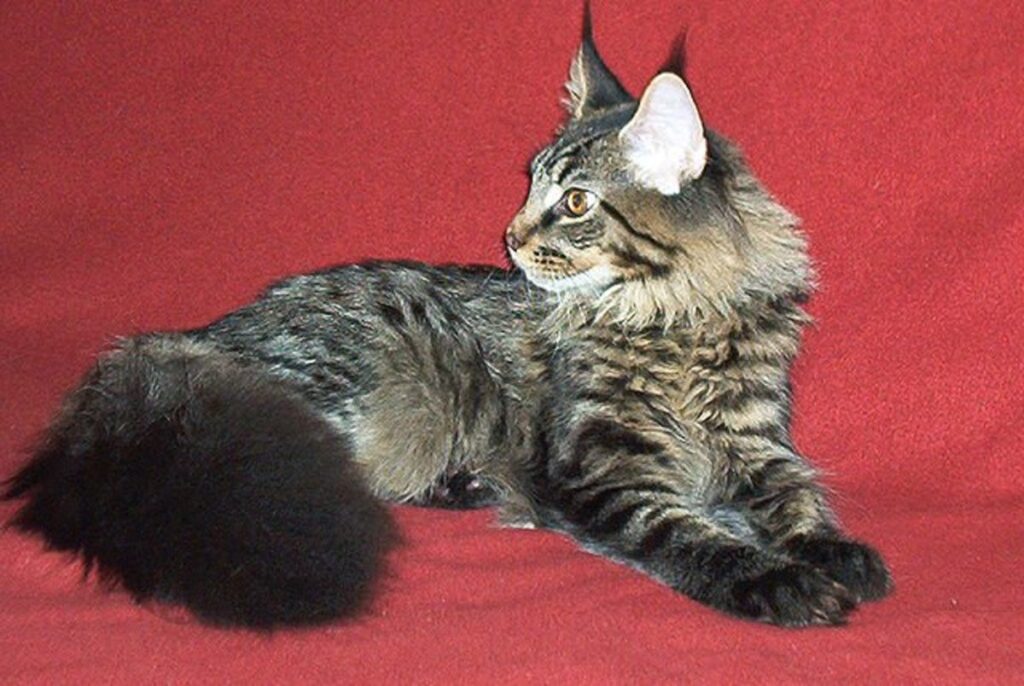
Are you considering bringing a Maine Coon into your family? With their stunning appearance, charming personality, and affectionate nature, it’s no wonder why they’re one of the most popular cat breeds in the world. However, as with any pet, there are certain health issues that you should be aware of in order to provide the best possible care for your new furry friend.
In this article, we’ll delve into the world of Maine Coons, exploring their unique characteristics, common health problems, and what it takes to keep them happy and healthy. Whether you’re a seasoned cat owner or a newcomer to the feline family, this comprehensive guide will help you make an informed decision about bringing a Maine Coon into your life.
Characteristics of the Maine Coon
The Maine Coon is a large, sturdy breed with a distinctive appearance that’s both elegant and rugged. Here are some key characteristics to look out for:
- Size: Maine Coons can weigh anywhere from 9-15 pounds (4-7 kg), making them one of the largest domesticated breeds in the world.
- Coat: Their thick, double coat is soft and silky to the touch, with a variety of colors and patterns including solid, tabby, tortoiseshell, and calico.
- Body type: Maine Coons have a muscular build, with broad shoulders, strong legs, and a sturdy torso.
- Head shape: Their head is large and rounded, with a short, broad muzzle and large eyes that are often blue or green.
Temperament and Behavior
Maine Coons are known for their friendly, outgoing personalities. They’re highly social cats who thrive on interaction and attention from their human family members. Here are some key traits to look out for:
- Intelligence: Maine Coons are highly intelligent and curious, with a strong desire to explore and play.
- Affectionateness: These cats adore human company and will often seek out cuddles and affection from their owners.
- Playfulness: Maine Coons love to play and exercise, making them an excellent choice for families with children or other pets.
Common Health Problems
While Maine Coons are generally a healthy breed, there are certain health issues that you should be aware of. These include:
- Cardiomyopathy: A heart condition that can lead to heart failure if left untreated.
- Hip dysplasia: A genetic condition that affects the hip joint and can cause arthritis and mobility problems.
- Spinal muscular atrophy: A progressive neurological disorder that affects muscle strength and coordination.
Health Care and Prevention
To keep your Maine Coon happy and healthy, it’s essential to provide regular veterinary care, including:
- Regular check-ups: Schedule annual health checks with your veterinarian to monitor your cat’s overall health.
- Vaccinations: Keep your Maine Coon up-to-date on all recommended vaccinations.
- Spaying or neutering: Spay or neuter your Maine Coon to prevent unwanted breeding and reduce the risk of certain health problems.
Grooming and Hygiene
Maine Coons require regular grooming to keep their coat clean and healthy. Here are some tips:
- Brush regularly: Brush your Maine Coon’s coat at least once a week to remove loose hair and prevent matting.
- Bathe occasionally: Bathe your cat every 2-3 months, or as needed.
- Trim nails: Trim your Maine Coon’s nails regularly to prevent overgrowth.
Diet and Nutrition
A balanced diet is essential for maintaining your Maine Coon’s overall health. Here are some tips:
- Feed high-quality food: Choose a commercial cat food that’s rich in protein, fiber, and other essential nutrients.
- Provide fresh water: Make sure your Maine Coon always has access to fresh, clean water.
- Avoid overfeeding: Monitor your cat’s weight and adjust their diet accordingly to prevent obesity.
Conservation and Responsibility
As a responsible cat owner, it’s essential to consider the impact of your lifestyle on the environment. Here are some tips:
- Choose eco-friendly products: Choose eco-friendly cleaning products, food, and other supplies for your Maine Coon.
- Reduce waste: Reduce your own waste and minimize packaging by choosing products in bulk or buying second-hand.
Conclusion
Bringing a Maine Coon into your life can be a rewarding experience, but it’s essential to do so with the knowledge that comes with being prepared. By understanding their unique characteristics, common health problems, and grooming needs, you’ll be able to provide the best possible care for your new furry friend. Remember to always prioritize your cat’s health and well-being, and don’t hesitate to seek veterinary care if you have any concerns.
FAQs
Q: How big do Maine Coon cats typically grow?
A: Maine Coons can weigh anywhere from 9-15 pounds (4-7 kg) and reach lengths of up to 40 inches (100 cm).
Q: Are Maine Coon cats prone to health problems?
A: Yes, Maine Coons are susceptible to certain health issues like cardiomyopathy, hip dysplasia, and spinal muscular atrophy.
Q: Do Maine Coon cats require a lot of grooming?
A: Yes, Maine Coons have thick, double coats that require regular brushing and occasional bathing.
Q: Can I leave my Maine Coon alone for long periods of time?
A: No, it’s not recommended to leave your Maine Coon alone for extended periods, as they thrive on interaction and attention from their human family members.
Q: Are Maine Coons good with children?
A: Yes, Maine Coons are generally excellent with children, but it’s essential to supervise interactions between cats and young children to ensure everyone’s safety.
Q: How much exercise does a Maine Coon need?
A: Maine Coons require regular playtime and exercise to stay happy and healthy. Aim for at least 30 minutes of playtime per day.
Q: Can I adopt an older Maine Coon from a shelter?
A: Absolutely! Many shelters have Maine Coons available for adoption, so don’t hesitate to reach out to your local animal welfare organization.
Q: What’s the average lifespan of a Maine Coon?
A: The average lifespan of a Maine Coon is around 12-15 years, but with proper care and attention, some Maine Coons can live up to 20 years or more.


