
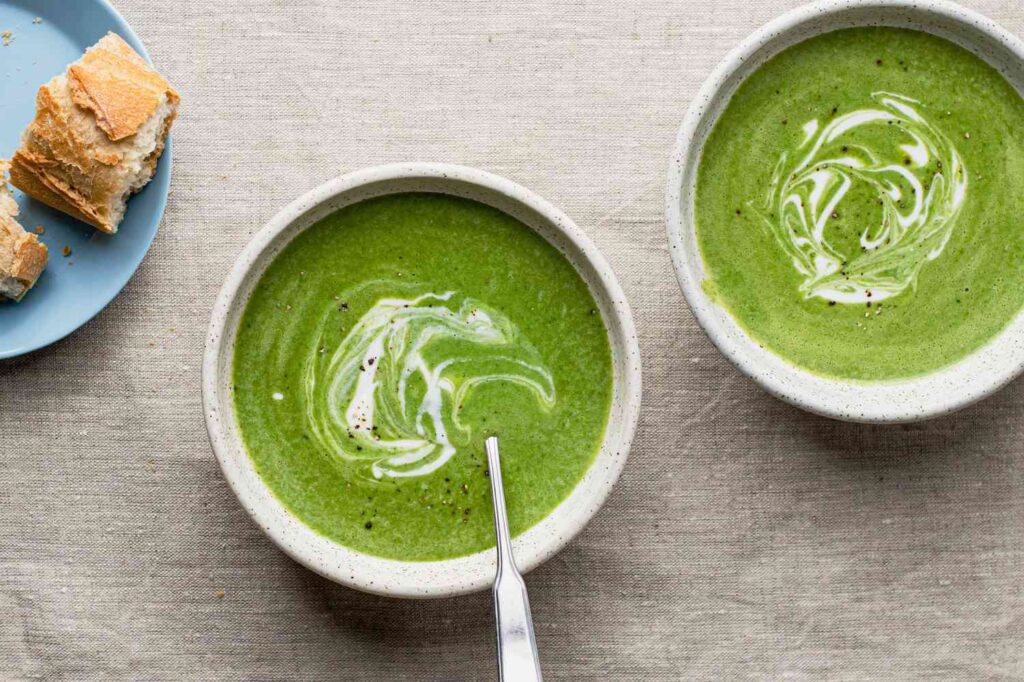
As one of the most nutritious foods on the planet, spinach takes its rightful place in the culinary world. With impressive amounts of iron, vitamin A, and vitamin C, this green superfood has numerous health benefits that make it a must-have in our diets.
A Brief History of Spinach’s Impact on Human Health
From ancient times to modern days, spinach has been a staple in many cultures around the world. Its versatility in cooking and its ability to add flavor and nutrients to various dishes have made it a favorite among chefs and health enthusiasts alike.
In ancient Rome, spinach was known as “spinacia” and was considered a luxury food due to its high cost and limited availability. The Roman naturalist Pliny the Elder wrote about the health benefits of spinach, noting its ability to cure a range of ailments, including indigestion and skin problems.
Fast-forward to modern times, and spinach has become a staple in many cuisines around the world. It’s a popular ingredient in salads, smoothies, soups, and even desserts. The versatility of spinach has made it a favorite among chefs and home cooks alike.
Why Spinach Should be Part of Your Diet
So, why is spinach so important for our overall well-being? Here are just a few reasons:
- Rich in iron: Iron deficiency is a common problem worldwide, but spinach can help alleviate this issue. Iron is essential for healthy red blood cells, and a lack of it can lead to fatigue, weakness, and shortness of breath.
- Packed with vitamins A and C: These vitamins are essential for maintaining healthy skin, bones, and immune function. Vitamin A helps protect the eyes and mucous membranes from damage, while vitamin C boosts the immune system and helps fight off infections.
- Boosts immune system: Spinach contains antioxidants and other nutrients that help shield our bodies against infections and diseases. These antioxidants include flavonoids, carotenoids, and polyphenols, which have anti-inflammatory properties.
The Versatility of Spinach in Cooking
Spinach can be used in a variety of dishes, from soups to salads, smoothies, and even desserts. Here are some popular ways to incorporate spinach into your cooking:
- Soups: Add chopped spinach to soups like minestrone, creamy tomato soup, or spinach and artichoke dip.
- Salads: Toss fresh spinach leaves with cherry tomatoes, avocado, and a vinaigrette dressing for a healthy salad.
- Smoothies: Blend spinach with banana, milk, and honey for a green smoothie that’s packed with nutrients.
- Stuffed chicken breasts: Add chopped spinach to the filling of chicken breasts for an extra boost of nutrients.
Tips for Preparing Spinach
To get the most out of your spinach, follow these tips:
- Choose fresh spinach leaves with no signs of wilting or browning.
- Wash and dry the leaves thoroughly before using them in cooking.
- Use frozen spinach as a substitute when fresh is not available.
How to Store Spinach
To maintain the freshness and nutritional value of your spinach, follow these storage tips:
- Store in an airtight container in the refrigerator for up to 2-3 days.
- Freeze spinach leaves in airtight containers or freezer bags for later use.
- Wrap fresh spinach leaves tightly with plastic wrap and place them in the refrigerator to keep them fresh.
Zuppa di Spinaci Recipe
Here’s a simple recipe to get you started:
Ingredients:
- 300g fresh spinach leaves
- 250g orzo
- 1 onion, chopped
- 3 lemons, juiced
- Broth (vegetable or chicken)
- Olive oil
- Salt and pepper
Instructions:
- Chop the onion and sauté it in olive oil until softened.
- Add the spinach leaves to the pan and cook until wilted.
- Pour in broth, lemon juice, and add the orzo. Simmer for 10-15 minutes or until the orzo is cooked.
- Blend the mixture using a blender or food processor until smooth.
Health Benefits of Spinach
In addition to its impressive nutritional profile, spinach has been shown to have numerous health benefits. Here are some of the ways that spinach can benefit our overall well-being:
- Reduces inflammation: The antioxidants in spinach help reduce inflammation in the body, which can lead to chronic diseases like arthritis and cancer.
- Supports eye health: The vitamins A and C in spinach help protect the eyes from damage and support healthy vision.
- Boosts heart health: Spinach is rich in potassium, which helps lower blood pressure and support healthy heart function.
- May reduce risk of certain cancers: The antioxidants in spinach have been shown to have anti-cancer properties, particularly in reducing the risk of colorectal cancer.
Conclusion
Spinach is an incredibly versatile and nutritious ingredient that deserves to be part of your daily diet. With its impressive nutritional profile, versatility in cooking, and ease of storage, spinach is a superfood that can benefit your health in many ways. Whether you’re looking to boost your iron levels, support healthy immune function, or simply add some extra nutrients to your meals, spinach is an excellent choice.


