
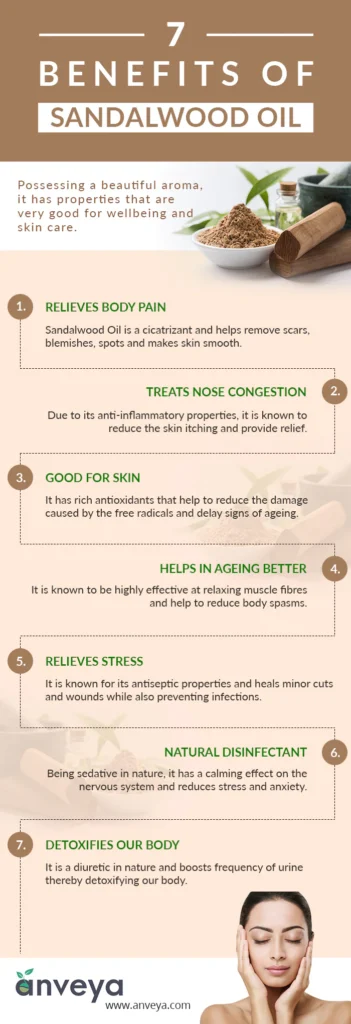
As a popular essential oil, sandalwood has been prized for centuries for its unique aroma and medicinal properties. But what exactly is sandalwood essential oil, and how can it be used to improve our health and wellbeing? In this article, we’ll delve into the world of sandalwood essential oil, exploring its history, production methods, benefits, and uses.
The Difference Between Indian and Australian Sandalwood
Before we dive in, it’s worth noting that there are two main types of sandalwood essential oil: Indian sandalwood and Australian sandalwood. Both are derived from the same plant species (Santalum album), but they are grown in different parts of the world.
Indian sandalwood is typically extracted from the heartwood of the tree, while Australian sandalwood is produced from the roots of the tree. Despite their differences, both oils have similar properties and benefits.
The Properties and Benefits of Sandalwood Essential Oil
Sandalwood essential oil has a unique aroma that is often described as sweet, woody, and balsamic. It’s extracted through a process of steam distillation, which involves heating the wood or roots of the tree to release its essential oils.
Studies have shown that sandalwood essential oil has numerous health benefits, including:
- Antimicrobial properties: Sandalwood oil has been shown to exhibit antimicrobial activity against a range of microorganisms, making it effective against infections and diseases.
- Anti-inflammatory properties: Sandalwood oil has anti-inflammatory properties, which can help reduce inflammation and pain in the body.
- Antioxidant properties: Sandalwood oil is rich in antioxidants, which can help protect the body against oxidative stress and cell damage.
- Anti-hyperglycemic properties: Sandalwood oil has been shown to have anti-diabetic effects, making it effective in reducing blood sugar levels.
Using Sandalwood Essential Oil for Health Benefits
Sandalwood essential oil can be used in a variety of ways to reap its health benefits. Here are some examples:
- Deodorant: Sandalwood oil can be blended with other oils and used as a natural deodorant.
- Skin care: Sandalwood oil can be added to skin care products, such as creams and lotions, for its anti-inflammatory and antioxidant properties.
- Aromatherapy: Sandalwood oil can be inhaled directly from the bottle or added to a diffuser for its calming and relaxing effects.
- Antirughe treatment: Sandalwood oil can be used to treat wrinkles and fine lines on the skin.
- Hair care: Sandalwood oil can be used as a hair mask to promote healthy hair growth and reduce dandruff.
- Muscle relaxation: Sandalwood oil can be applied topically to muscles to relieve tension and pain.
The Cost of Sandalwood Essential Oil
Sandalwood essential oil is one of the most expensive oils in the world, due to the time-consuming process of harvesting and production. The cost of sandalwood oil can vary depending on the quality, quantity, and source of the oil.
However, with a little research and planning, it’s possible to find high-quality sandalwood essential oil at an affordable price. Amazon offers a range of options for buyers looking for this oil.
Conclusion
Sandalwood essential oil is a powerful natural remedy that has been prized for centuries for its unique aroma and medicinal properties. With its antimicrobial, anti-inflammatory, antioxidant, and anti-hyperglycemic properties, sandalwood oil can be used to improve our health and wellbeing in a variety of ways.
Whether you’re looking to treat skin problems, reduce stress and anxiety, or simply enjoy the benefits of aromatherapy, sandalwood essential oil is definitely worth considering. With its unique aroma and numerous health benefits, it’s no wonder that this oil has been a prized natural remedy for centuries.
Frequently Asked Questions
Here are some frequently asked questions about sandalwood essential oil:
Q: Is sandalwood essential oil safe to use on the skin?
A: Yes, sandalwood essential oil is generally considered safe to use on the skin. However, it’s always a good idea to do a patch test before using it extensively.
Q: Can sandalwood essential oil be used for internal use?
A: Sandalwood essential oil should not be ingested orally, as it can cause gastrointestinal upset.
Q: How long does sandalwood essential oil last on the skin?
A: The duration of sandalwood essential oil on the skin depends on various factors, including skin type and usage. On average, it lasts for 6-8 hours before needing to be reapplied.
Q: Can sandalwood essential oil cause allergies or sensitivities?
A: Sandalwood essential oil is generally considered hypoallergenic, but some people may experience allergic reactions or sensitivities. If you have sensitive skin, it’s always a good idea to do a patch test before using it extensively.
Q: How can I store sandalwood essential oil to preserve its quality?
A: Sandalwood essential oil should be stored in a cool, dark place, away from direct sunlight and heat sources. It’s also recommended to use a high-quality glass bottle with a tight-fitting lid.
Q: Can I blend sandalwood essential oil with other oils for better results?
A: Yes, sandalwood essential oil can be blended with other oils to create custom blends for various uses. However, it’s always best to start with small amounts and test the blend before using it extensively.
Safety Precautions
While sandalwood essential oil is generally considered safe, there are some safety precautions to take into consideration:
- Allergic reactions: Sandalwood essential oil can cause allergic reactions or sensitivities in some individuals. If you experience any irritation or discomfort, discontinue use immediately.
- Pregnancy and breastfeeding: There is limited research on the effects of sandalwood essential oil during pregnancy and breastfeeding. As a precaution, it’s recommended to avoid using this oil during these periods.
- Children: Sandalwood essential oil should not be used on children under the age of 10 without consulting with a healthcare professional.
Contraindications
Sandalwood essential oil may not be suitable for everyone, particularly those with certain medical conditions or allergies. Contraindications include:
- Thyroid problems: Sandalwood essential oil can interact with thyroid medications, so it’s recommended to avoid using this oil if you have thyroid problems.
- Gallstones: Sandalwood essential oil may worsen gallstone symptoms, so it’s best to avoid using this oil if you have a history of gallstones.
- Sensitive skin: If you have sensitive skin, sandalwood essential oil may cause irritation or allergic reactions.
Using Sandalwood Essential Oil with Other Oils
Sandalwood essential oil can be blended with other oils to create custom blends for various uses. Here are some examples:
- Lavender oil: Blending lavender oil with sandalwood oil creates a calming and relaxing blend perfect for promoting sleep.
- Tea tree oil: Combining tea tree oil with sandalwood oil creates an antimicrobial blend effective against acne and other skin issues.
- Geranium oil: Blending geranium oil with sandalwood oil creates an uplifting and balancing blend suitable for hormonal imbalances.
Blending Tips
When blending sandalwood essential oil with other oils, it’s essential to consider the following tips:
- Start small: Begin with a small amount of each oil and gradually increase as needed.
- Test the blend: Before using the blend extensively, test it on a small area of skin to ensure there are no adverse reactions.
- Use high-quality oils: Only use high-quality oils that are free from adulterants and synthetic chemicals.
Conclusion
Sandalwood essential oil is a powerful natural remedy that has been prized for centuries for its unique aroma and medicinal properties. With its antimicrobial, anti-inflammatory, antioxidant, and anti-hyperglycemic properties, sandalwood oil can be used to improve our health and wellbeing in a variety of ways.
By understanding the benefits, uses, and safety precautions associated with sandalwood essential oil, you can harness its power to create a healthier, happier you.


