
Are you a pizza lover who’s worried about the impact of your favorite food on your health? You’re not alone. Many of us have concerns about the nutritional value of our beloved pizzas, particularly when it comes to the classic Margherita variety. In this article, we’ll delve into the world of Pizza Margherita and explore its nutritional benefits and drawbacks.
A Brief History of Pizza Margherita
Pizza Margherita is one of Italy’s most iconic dishes, known worldwide for its simplicity and flavor. This classic recipe has been around since the late 19th century and has gained a special place in Italian cuisine. In fact, it was even recognized by the European Union as a Speciality Traditional Guaranteed product.
But what makes Pizza Margherita so special? Its unique combination of fresh tomatoes, mozzarella cheese, and basil leaves creates a flavor profile that’s both familiar and exciting. And did you know that this pizza is also a symbol of Italian culture, featuring colors that match the country’s flag?
Preparing Your Own Pizza Margherita
Before we dive into the nutritional value of Pizza Margherita, let’s take a look at how it’s made. To prepare your own pizza, you’ll need to start by mixing together flour, water, yeast, and salt to create a dough. This mixture needs time to rest and rise, which can take several hours.
Once your dough is ready, shape it into a ball and let it rest for another hour or two before flattening it into a circle. Then, add your favorite toppings – in this case, fresh tomatoes, mozzarella cheese, and basil leaves. Bake the pizza in an oven at 500°F (260°C) for about 10-15 minutes, or until the crust is golden brown.
Nutritional Value of Pizza Margherita
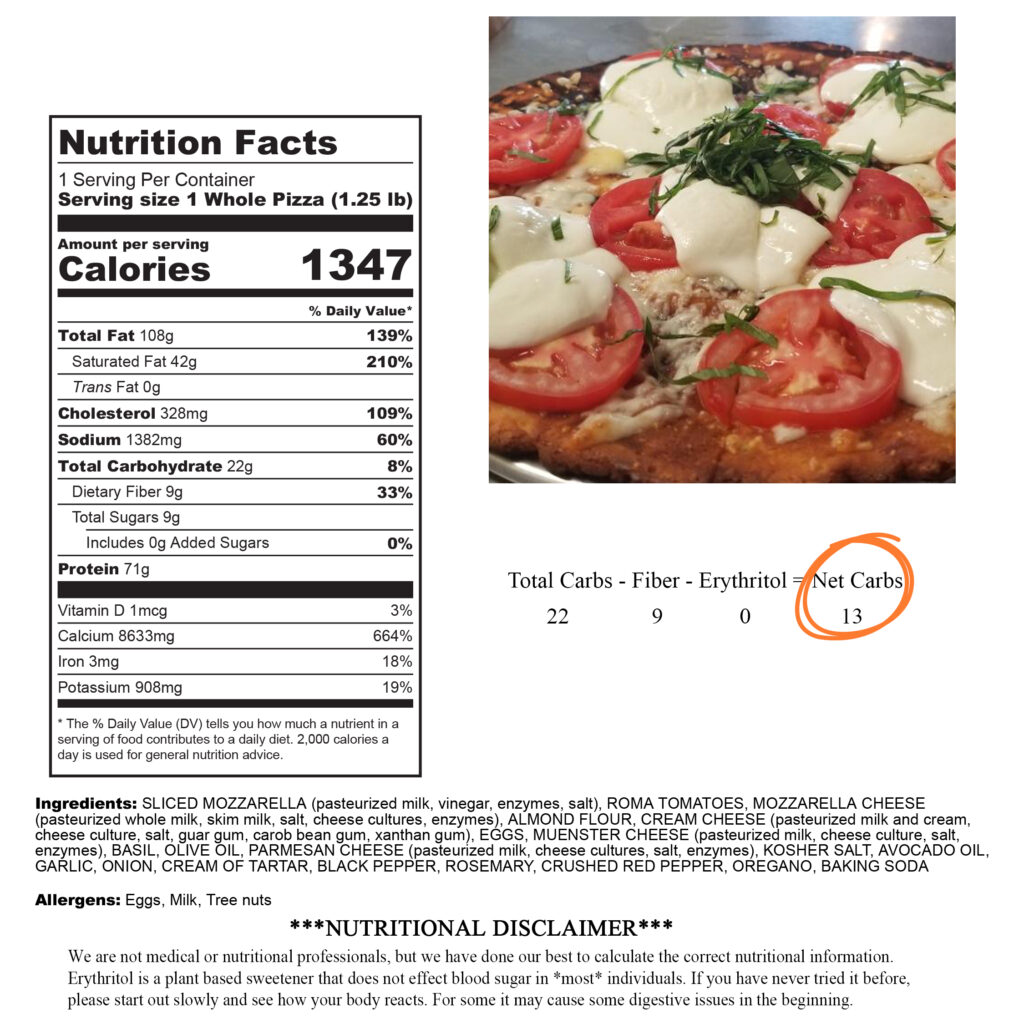
So, how much does a slice of Pizza Margherita really cost? According to the Italian National Research Institute for Food and Nutrition, a single slice (about 100g) contains around 270 calories. But that’s not all – a full-sized pizza can contain up to 700-800 calories!
The main contributors to these calories are carbohydrates, which make up about 52% of the pizza’s weight. Proteins and fats also play a role, making up around 5.6% and 5.9%, respectively.
But what about the nutritional value of individual ingredients? Fresh tomatoes add vitamins A and C, potassium, and folate to your diet, while mozzarella cheese provides calcium, phosphorus, and protein. However, be aware that excessive consumption can lead to high sodium levels due to its natural presence in tomato sauce.
Tips for Enjoying Pizza Margherita Responsibly
Now that we’ve explored the nutritional value of Pizza Margherita, here are some tips for enjoying this delicious dish without overdoing it:
- Balance your diet: To offset the calories from pizza, try incorporating more fruits and vegetables into your daily meals.
- Choose wisely: Avoid adding excessive toppings like meats, cheeses, or sugary sauces, which can greatly increase calorie counts.
- Make it a treat: Save pizza nights for special occasions or weekends to maintain a balanced diet throughout the week.
Frequently Asked Questions
Here are some frequently asked questions about Pizza Margherita and its nutritional value:
- Is Pizza Margherita a healthy option?
- While Pizza Margherita can be part of a balanced diet, it’s essential to consume it in moderation due to its high calorie content.
- How many calories does a slice of Pizza Margherita contain?
- According to the Italian National Research Institute for Food and Nutrition, a single slice (about 100g) contains around 270 calories.
- Can I make healthier pizza options at home?
- Yes! Experiment with different toppings, use whole-wheat crusts, or try making cauliflower crust pizzas for lower-calorie alternatives.
- Is it true that Pizza Margherita has the same nutritional value as other types of pizza?
- No – other pizza styles like Marinara typically have fewer calories and less saturated fat due to their simpler topping combinations.
Pizza Margherita is a beloved classic, but its nutritional value can be misleading if not consumed responsibly. By understanding the ingredients and portion sizes involved in this popular dish, you can enjoy it without compromising your health goals.
The Benefits of Fresh Tomatoes
Fresh tomatoes are an essential component of Pizza Margherita, providing numerous health benefits when consumed in moderation. Here are some of the key advantages of including fresh tomatoes in your diet:
- Rich in Antioxidants: Tomatoes contain a high amount of antioxidants, which help protect cells from damage and reduce the risk of chronic diseases.
- Supports Heart Health: The potassium content in tomatoes can help lower blood pressure and improve overall cardiovascular health.
- May Help Reduce Cancer Risk: Some studies suggest that the lycopene present in tomatoes may have anti-cancer properties, particularly for men with prostate cancer.
Mozzarella Cheese: A Nutrient-Rich Ingredient
Mozzarella cheese is another crucial component of Pizza Margherita, providing essential nutrients when consumed in moderation. Here are some key benefits of including mozzarella in your diet:
- High in Protein: Mozzarella cheese contains a significant amount of protein, making it an excellent option for those looking to increase their protein intake.
- Rich in Calcium: The calcium content in mozzarella helps support bone health and development.
- May Help Regulate Blood Sugar: Some studies suggest that the casein present in mozzarella may help regulate blood sugar levels.
Basil Leaves: A Nutrient-Dense Herb
Basil leaves are a key component of Pizza Margherita, providing numerous health benefits when consumed in moderation. Here are some key advantages of including basil in your diet:
- Rich in Antioxidants: Basil contains a high amount of antioxidants, which help protect cells from damage and reduce the risk of chronic diseases.
- Supports Digestive Health: The vitamin K content in basil may help regulate bowel function and improve overall digestive health.
- May Help Reduce Inflammation: Some studies suggest that the flavonoids present in basil may have anti-inflammatory properties, reducing the risk of chronic diseases.
Conclusion
Pizza Margherita is a classic dish with a rich history and numerous nutritional benefits. While it’s essential to consume this popular pizza in moderation due to its high calorie content, understanding the individual ingredients involved can help you make informed choices about your diet. By incorporating fresh tomatoes, mozzarella cheese, and basil leaves into your meals, you can enjoy the flavors of Pizza Margherita without compromising your health goals.
Whether you’re a food enthusiast or simply looking for ways to incorporate more nutrients into your diet, Pizza Margherita is an excellent choice. So go ahead, grab a slice (or two), and indulge in the delicious flavors of this iconic Italian dish!


