
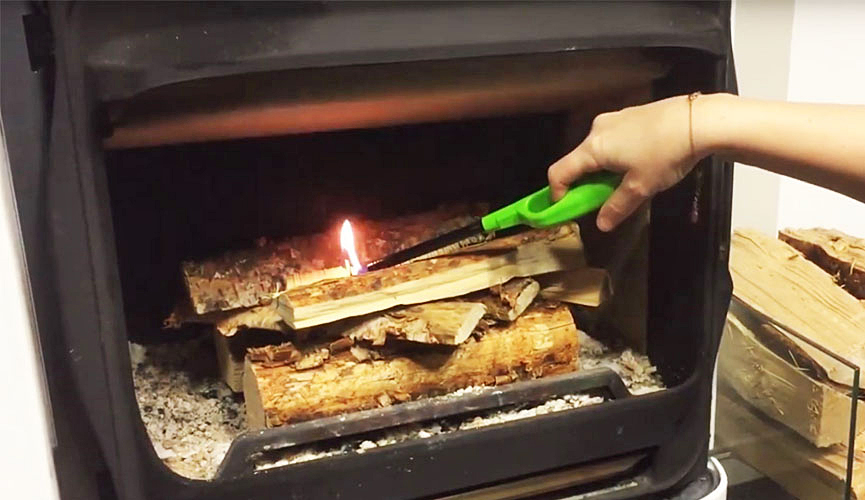
Before we dive into the nitty-gritty of lighting a fireplace, let’s ask ourselves the right questions. What type of wood should you use? How do you prepare it for ignition? And what about the perfect arrangement of logs? Understanding these fundamental aspects is crucial to getting a roaring fire going efficiently.
Choosing the Right Wood
When it comes to selecting the right wood for your fireplace, the type and moisture content play a significant role. If you’re planning to use the fireplace for cooking or want to create a warm ambiance, you’ll want to choose a hardwood like maple or beech. On the other hand, if you’re looking to warm up your home naturally, a denser wood like oak or ash would be a better choice.
The Benefits of Different Types of Wood
Different types of wood have unique characteristics that make them suitable for different uses. For example:
- Maple and Beech: These hardwoods are ideal for cooking and ambiance due to their high density and ability to burn hot and long.
- Oak and Ash: Denser woods like oak and ash are better suited for warming up your home naturally, as they produce a slower-burning fire that can last all night.
- Softwoods: Softwoods like pine or spruce are not recommended for cooking or ambiance, as they tend to produce less heat and smoke.
The Importance of Staging
Staging your firewood is just as important as choosing the right type of wood. Proper staging ensures that oxygen can flow freely and helps maintain a consistent flame. So, how do you stage your wood? Here’s the basic principle: arrange your logs perpendicularly, with the largest pieces at the base and smaller ones towards the top.
Why Staging is Crucial
Proper staging is crucial for several reasons:
- Airflow: Oxygen flow is essential for a healthy flame. By arranging your logs perpendicularly, you ensure that oxygen can reach all parts of the fire.
- Even Burning: When logs are staged properly, they burn evenly and consistently, producing less smoke and creosote.
- Efficient Heat: A well-staged fire produces more heat and burns for longer, making it ideal for warming up your home naturally.
The Science Behind Staging
When you stage your wood perpendicularly, you create a layered effect that allows oxygen to flow freely. This is known as the “venturi effect,” where the airflow increases as it enters a narrower section of the fire. By arranging your logs in this way, you take advantage of this natural phenomenon and create a more efficient fire.
Strategic Arrangement
Now it’s time to talk about strategic arrangement. The way you position your wood can greatly impact the performance of your fire. For wider fireplaces, place multiple logs in a grid pattern, with larger pieces at the bottom and smaller ones towards the top. This allows for better airflow and helps maintain a consistent flame.
The Benefits of Strategic Arrangement
Strategic arrangement offers several benefits:
- Improved Airflow: By arranging your wood in a grid pattern, you create more space for oxygen to flow through the fire.
- Even Burning: A well-arranged fire produces even burning and less smoke and creosote.
- Efficient Heat: Strategic arrangement allows your fire to produce more heat and burn for longer.
Common Challenges
However, there are some common challenges that can arise when trying to light a fireplace. A tight chimney or narrow flue can make it difficult to get enough oxygen flow. In such cases, you may need to adjust your staging strategy or use specialized tools to improve airflow.
How to Overcome Common Challenges
Here are a few expert tips for overcoming common challenges:
- Tight Chimney: Use specialized tools like chimney sweeps or draft cleaners to clear blockages and improve airflow.
- Narrow Flue: Adjust your staging strategy to allow more oxygen flow. This may involve removing some logs or rearranging them to create more space.
Tips and Tricks
Here are a few expert tips to help you master the art of lighting a fireplace:
- Use dry wood: Green or damp wood won’t burn efficiently, so make sure it’s completely dry before using it.
- Keep logs moist: Excessive moisture can lead to smoldering rather than a roaring flame. Aim for a moisture content between 10% and 20%.
- Don’t over-stage: Too many logs in one area can block airflow and create an uneven flame.
Conclusion
Lighting a fireplace requires more than just throwing some wood on the fire. By understanding the importance of staging, selecting the right type of wood, and preparing it for ignition, you’ll be well on your way to creating a warm and inviting atmosphere. Remember, practice makes perfect, so don’t be discouraged if it takes a few tries to get it just right.
Frequently Asked Questions
- What’s the best type of wood for a fireplace?
A hardwood like maple or beech is ideal for cooking or ambiance, while denser woods like oak or ash are better suited for warming up your home naturally. - How do I choose the right size logs?
Select logs that are similar in size and shape to ensure efficient airflow and even burning. - What’s the best way to stage my firewood?
Arrange logs perpendicularly, with larger pieces at the base and smaller ones towards the top. - Can I use pressure-treated wood for my fireplace?
No, as it can produce toxic fumes and compromise the integrity of your chimney. - How often should I clean my fireplace?
Clean your fireplace every year to ensure proper airflow and prevent creosote buildup. - What’s the ideal moisture content for firewood?
Aim for a moisture content between 10% and 20%. - Can I use newspaper or cardboard as kindling?
No, these materials can produce excessive soot and creosote. Opt for dry, fluffy material like dried leaves or shredded paper instead. - What’s the best way to maintain airflow in a narrow flue?
Use specialized tools or adjust your staging strategy to improve airflow and prevent blockages.
Remember, lighting a fireplace is an art that requires patience, practice, and attention to detail. By following these expert tips and tricks, you’ll be well on your way to creating a warm and inviting atmosphere that will last all season long.


