
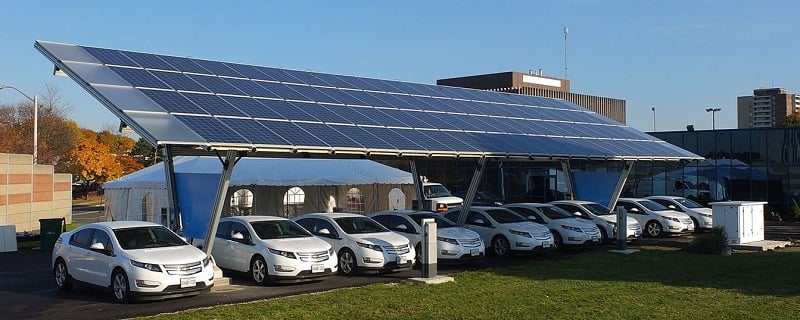
As we wait for the widespread adoption of electric vehicles in Italy, the technology is advancing globally, leading to the development of solar-powered charging stations for hybrid vehicles. One innovative example is the Solar Sail technology, a pioneering effort in eco-friendly and sustainable energy solutions.
In recent years, there has been a significant increase in interest in solar-powered charging stations. Companies like Pvilion are pushing the boundaries of renewable energy, utilizing cutting-edge technologies to create sustainable infrastructure. With their headquarters in New York, Pvilion has developed modular photovoltaic systems for creating innovative and eco-friendly structures. Their latest application is in solar-powered charging stations for electric vehicles.
The Rise of Solar-Powered Charging Stations
Solar-powered charging stations are a relatively new concept in the field of renewable energy. However, as technology continues to advance, we can expect to see more innovative applications of this technology. The development of solar-powered charging stations is an exciting development in the world of sustainable energy solutions.
Innovative companies like Pvilion are leading the charge in developing solar-powered charging stations. Their commitment to sustainability and reducing our reliance on fossil fuels is commendable. With their patented flexible panel system, they have created a unique solution for harnessing renewable energy.
Meet Solaar Sail: A Revolutionary Solar Charging Station
Located in Pflugerville, Texas, Solaar Sail is the first solar-powered charging station specifically designed for electric vehicles. Developed by Pvilion’s founders, Robert Lerner, Todd Dalland, and Colin Touhey, this project showcases the company’s commitment to sustainability.
The Solaar Sail project demonstrates the potential of solar-powered charging stations as a viable alternative to traditional charging methods. The system is designed to be energy-efficient, with a focus on minimizing energy waste and maximizing renewable energy production.
The Technology Behind Solar-Powered Charging Stations
So, why are we seeing a surge in solar-powered charging stations? The answer lies in the innovative use of flexible photovoltaic panels. These panels can be stretched over metal frames, allowing them to harness energy even when no vehicles are being charged. This technology is made possible by Pvilion’s patented flexible panel system.
The flexibility of these panels enables them to be easily installed and integrated into existing infrastructure. Additionally, the use of solar-powered charging stations reduces the strain on traditional electrical grids, helping to alleviate congestion and maintain grid stability.
The Benefits of Solar-Powered Charging Stations
These solar-powered charging stations offer several advantages:
• Renewable Energy Source: Harnessing the power of the sun reduces dependence on fossil fuels and minimizes carbon emissions.
• Cost-Effective: The long-term cost savings from reduced energy consumption make solar-powered charging stations an attractive option for businesses and individuals.
• Customizable: Each project can be tailored to meet specific client needs, ensuring maximum efficiency and effectiveness.
The Cost of Solar-Powered Charging Stations
The estimated cost of Solaar Sail is around $85,000. According to Colin Touhey, CEO of Pvilion, every solar-powered charging station project offers a unique opportunity for customization, allowing clients to tailor their solution to meet their specific needs.
While the initial investment may seem high, the long-term benefits of solar-powered charging stations make them an attractive option for businesses and individuals looking to reduce their environmental footprint.
A New Era in Electric Vehicle Infrastructure
As we move forward in our transition to sustainable transportation, the development of solar-powered charging stations is crucial. These innovative solutions will play a vital role in reducing our reliance on fossil fuels and creating a cleaner, healthier environment for future generations.
The integration of solar-powered charging stations into existing infrastructure will help to create a more efficient and sustainable transportation system. As we continue to transition to electric vehicles, the development of these systems will be essential in ensuring that our energy needs are met while minimizing environmental impact.
FAQs: Solar-Powered Charging Stations
What is the purpose of flexible photovoltaic panels in solar-powered charging stations?
Flexible photovoltaic panels allow for maximum energy harvesting, even when no vehicles are being charged. This technology enables efficient energy transfer to the electrical grid.
How do solar-powered charging stations benefit from renewable energy sources?
Renewable energy sources reduce dependence on fossil fuels and minimize carbon emissions, contributing to a cleaner environment.
What is the estimated cost of Solaar Sail?
The estimated cost of Solaar Sail is around $85,000.
Can solar-powered charging stations be customized for individual clients?
Yes, each project can be tailored to meet specific client needs, ensuring maximum efficiency and effectiveness.
How will solar-powered charging stations impact our reliance on fossil fuels?
Solar-powered charging stations will significantly reduce our reliance on fossil fuels, contributing to a cleaner environment and mitigating climate change.
The Future of Solar-Powered Charging Stations
As we continue to explore new ways to harness renewable energy, the development of solar-powered charging stations is an exciting development in the world of sustainable energy solutions. The innovative use of flexible photovoltaic panels and modular photovoltaic systems has enabled companies like Pvilion to create unique solutions for harnessing renewable energy.
The potential applications of solar-powered charging stations are vast, from small businesses to large-scale industrial operations. As technology continues to advance, we can expect to see more innovative applications of this technology in the years to come.
Conclusion
In conclusion, the development of solar-powered charging stations is a significant step forward in our transition to sustainable transportation. The innovative use of flexible photovoltaic panels and modular photovoltaic systems has enabled companies like Pvilion to create unique solutions for harnessing renewable energy.
As we move forward in our journey towards a more sustainable future, the importance of solar-powered charging stations cannot be overstated. These innovative solutions will play a vital role in reducing our reliance on fossil fuels and creating a cleaner, healthier environment for future generations.
Additional Resources
For those interested in learning more about solar-powered charging stations, there are several additional resources available:
- Pvilion’s website: www.pvilion.com
- Solar Energy Industries Association (SEIA): www.seia.org
- National Renewable Energy Laboratory (NREL): www.nrel.gov
These resources provide a wealth of information on the benefits and applications of solar-powered charging stations, as well as innovative solutions for harnessing renewable energy.


