
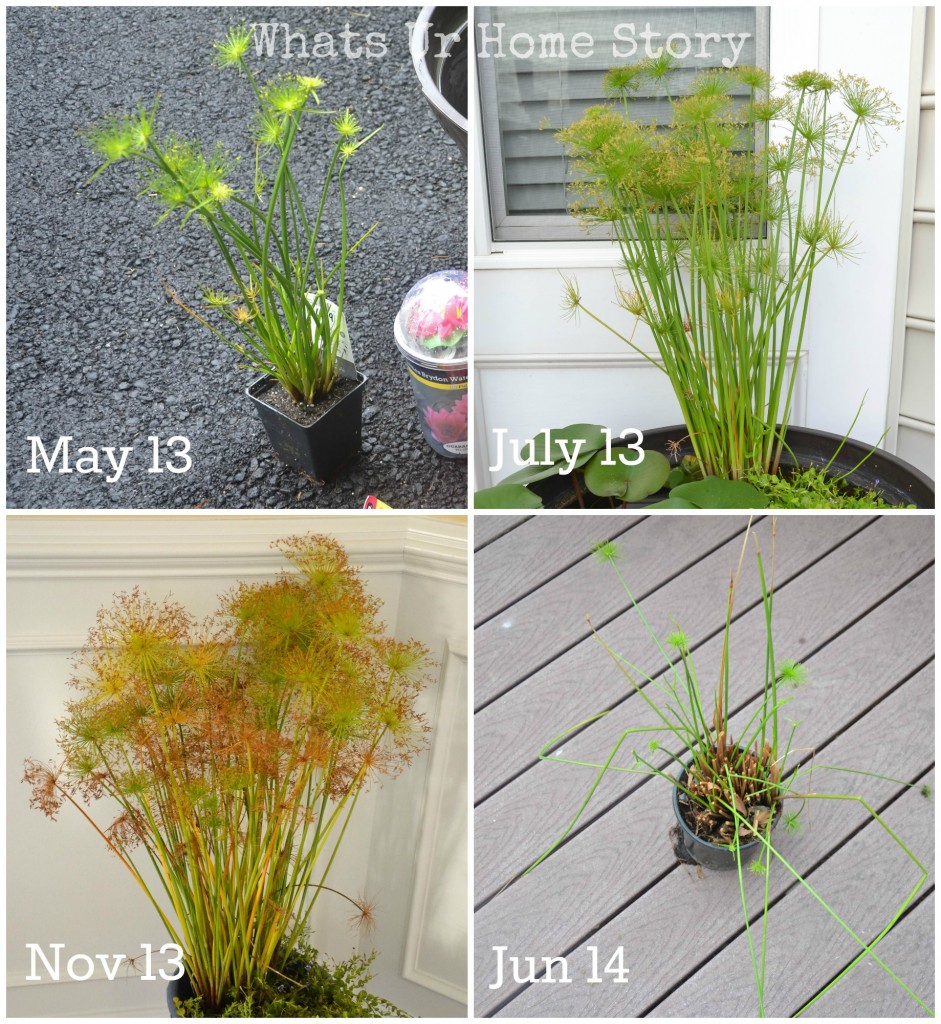
As a beginner, growing papyrus may seem like an impossible task, but trust us, it’s easier than you think. This versatile plant is relatively easy to grow indoors or outdoors, and with the right guidance, you’ll be enjoying its beautiful foliage in no time.
Understanding Papyrus: Origin, Types, and Varieties
Before we dive into growing papyrus, let’s talk about its origins and types. Our Cyperus papyrus plant belongs to the Cyperaceae family and is native to the Mediterranean region, where it thrives in warm and humid climates. There are several varieties of papyrus, each with unique characteristics, such as size and shape.
To identify the right type of papyrus for your needs, consider factors like climate, space, and desired use. For example, if you’re looking for a compact variety, try Cyperus alternifolium, also known as “falso papiro.” This smaller version is perfect for indoor containers or small gardens.
Some other popular varieties of papyrus include:
- Cyperus papyrus: The most common species, which can grow up to 3 meters (10 feet) tall.
- Cyperus alternifolius: A compact variety that grows up to 1 meter (3.3 feet) tall.
- Cyperus scariosus: A medium-sized variety that grows up to 2 meters (6.6 feet) tall.
Climate and Environmental Conditions
Papyrus loves a Mediterranean climate with moderate temperatures (20-27°C/68-81°F) and high humidity. When growing indoors, ensure your space provides adequate air circulation to prevent fungal diseases. If you’re looking to grow papyrus outdoors, choose a semi-shaded location with protection from direct sunlight.
It’s also important to note that papyrus prefers well-draining soil and can be susceptible to root rot if the soil is too wet. Avoid planting in areas with standing water or where water tends to collect.
Choosing the Right Soil
Papyrus requires well-draining, soft soil that’s rich in organic matter. Avoid heavy clay or sandy soils, which can lead to waterlogging and root rot. Mix in some compost or fertilizer to give your plant a nutrient boost.
Some tips for selecting the right soil include:
- Avoid using potting mixes specifically designed for cacti and succulents, as they tend to be too dense and dry.
- Opt for a mix with a high organic matter content, such as peat moss or coconut coir, to help retain moisture and nutrients.
- Consider adding perlite or vermiculite to improve drainage and aeration.
Watering: The Key to Healthy Growth
Watering is crucial for papyrus growth. Water your plant daily during the growing season (spring-fall) but reduce watering in winter when the plant goes dormant. Make sure not to overwater, as this can lead to root rot and other problems. Allow the top inch of soil to dry out between waterings.
Some tips for watering papyrus include:
- Water thoroughly, making sure the entire root system is saturated.
- Avoid getting water on the leaves or crown of the plant, as this can lead to fungal diseases.
- Check the moisture level by sticking your finger into the soil, and adjust your watering schedule accordingly.
Common Problems and Solutions
As with any plant, papyrus may encounter issues like fungal diseases, pests, or nutrient deficiencies. Keep an eye out for signs of trouble, such as yellowing leaves, white powdery patches, or tiny insects on the stems.
To address common problems:
- Fungal diseases: Reduce watering, increase air circulation, and treat with fungicides if necessary.
- Pests: Use neem oil or insecticidal soap to control infestations like aphids or mealybugs.
- Nutrient deficiencies: Fertilize regularly with a balanced fertilizer.
Some additional tips for troubleshooting common problems include:
- Monitor your plant’s temperature, as extreme temperatures can lead to stress and disease susceptibility.
- Check for pests on the underside of leaves and in crevices, as these areas are often overlooked.
- Keep an eye out for signs of nutrient deficiencies, such as yellowing leaves or stunted growth.
Propagation and Care
Once you’ve mastered the basics of growing papyrus, it’s time to propagate your plant. You can divide mature plants or take cuttings from healthy stems. To encourage new growth, provide your papyrus with bright, indirect light and maintain optimal temperatures.
Some tips for propagating papyrus include:
- Use clean equipment when dividing or taking cuttings to prevent the spread of disease.
- Water thoroughly after propagation, and make sure the soil is moist but not waterlogged.
- Provide bright, indirect light, as direct sunlight can cause scorching.
As you grow and care for your papyrus, keep in mind that this versatile plant is not just a great addition to indoor spaces but also has numerous practical uses, such as:
- Papyrus paper production: Papyrus has been used for centuries to create paper products, including books, cards, and decorative accents.
- Musical instruments: The papyrus flute is an ancient instrument that’s still played today in some parts of the world.
- Decorative accents: Papyrus can be used as a unique material for creating decorative accents, such as baskets, vases, and wall hangings.
Conclusion
Growing papyrus is an enjoyable and rewarding experience. By understanding its needs, selecting the right variety, and providing optimal care, you’ll be able to enjoy this beautiful plant for years to come.
Frequently Asked Questions
Q: How often should I water my papyrus?
A: Water your papyrus daily during the growing season (spring-fall) but reduce watering in winter.
Q: What type of soil is best for papyrus?
A: Papyrus prefers well-draining, soft soil rich in organic matter.
Q: Can I grow papyrus indoors?
A: Yes, but ensure adequate air circulation and protection from direct sunlight.
Q: How do I propagate papyrus?
A: Divide mature plants or take cuttings from healthy stems to encourage new growth.
Q: Are there any pests that can harm my papyrus?
A: Common pests include aphids, mealybugs, and whiteflies. Use neem oil or insecticidal soap to control infestations.
Q: Can I use papyrus in crafts or decorations?
A: Yes, papyrus is a versatile material for making decorative accents, musical instruments, and even paper products.
Q: How long does it take for my papyrus plant to grow?
A: Growth rates vary depending on factors like climate, light, and care. With proper conditions, your papyrus can reach heights of up to 5 meters (16 feet).
Q: Can I grow multiple varieties of papyrus together?
A: Yes, but ensure each variety has its own dedicated space and adequate resources.
Q: How do I fertilize my papyrus plant?
A: Fertilize regularly with a balanced fertilizer to promote healthy growth.


