
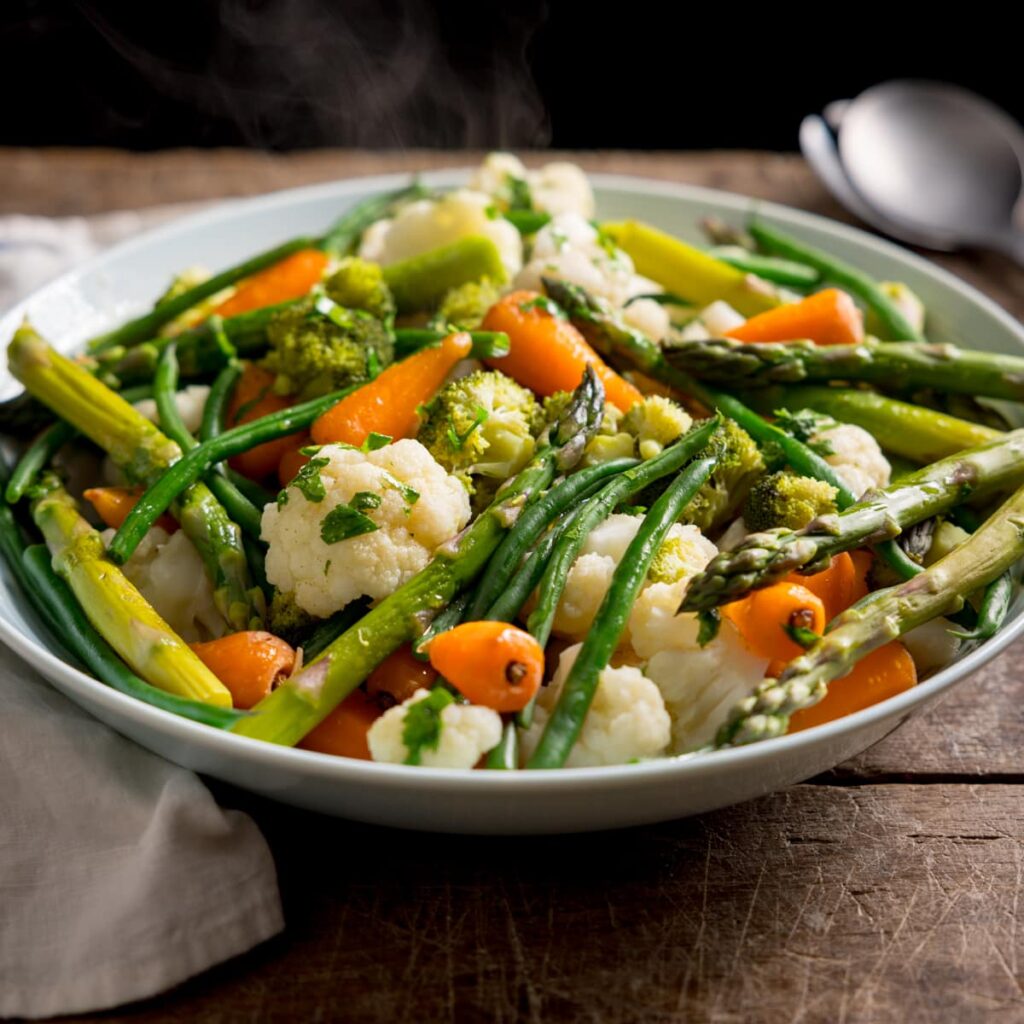
As we strive to lead a healthy lifestyle, it’s essential to start with what we put on our plates. Our daily food choices play a significant role in determining our overall well-being. Among the essential components of a balanced diet are vegetables, which should be a staple in every meal. However, cooking methods can significantly impact the nutritional value and taste of these veggies. In this article, we’ll delve into the world of steaming vegetables, exploring its benefits, and providing a simple recipe to get you started.
The Benefits of Steaming Vegetables
Steaming is considered one of the healthiest ways to cook vegetables because it preserves their natural properties. Unlike boiling or frying, which can lead to nutrient loss and a loss of flavor, steaming ensures that your veggies retain their crunch, texture, and aroma. Here’s why:
- Retains Nutrients: Steaming helps lock in nutrients, as the cooking process doesn’t involve submerging the vegetables in water, which can cause them to leach into the liquid.
- No Fat Absorption: Unlike frying or sautéing, steaming doesn’t allow for fat absorption, making it a low-fat and healthy option.
- Easy Digestion: Steamed vegetables are often easier to digest than their boiled counterparts, as they retain some of their natural enzymes.
The Science Behind Steaming
Steaming is a gentle heat transfer method that uses steam to cook vegetables. This process involves the following steps:
- Heating the Water: The water in the steamer basket is heated until it reaches its boiling point.
- Creating Steam: As the water boils, it turns into steam, which rises and cooks the vegetables.
- Heat Transfer: The steam transfers heat to the vegetables, cooking them evenly and preserving their nutrients.
A Simple Recipe for Delicious Steamed Vegetables
To get you started on your steaming journey, here’s a simple recipe that combines the best of seasonal ingredients:
Ingredients
- 1 bunch of broccoli
- 1 head of cauliflower
- 1 stalk of celery
- 2 medium-sized carrots
- 2 large potatoes
- A few walnuts
- 1/2 teaspoon of ground cinnamon
- 1 tablespoon of fresh rosemary
- 1 tablespoon of dried cranberries
- 2 tablespoons of chopped pine nuts
Instructions
Prepare Your Vegetables
- Rinse the broccoli and cauliflower, separating them into florets.
- Peel and dice the carrots and potatoes into bite-sized pieces.
- Slice the celery stalk into thin rounds.
Steam Your Vegetables
- Place the vegetables in a large steamer basket over boiling water.
- Cover with a lid to trap the steam.
- Steam for 10-12 minutes, or until the vegetables are tender but still crisp.
Create Your Flavorful Sauce
- In a blender, combine the walnuts, cinnamon, rosemary, cranberries, and pine nuts. Blend until smooth.
- Add in an additional tablespoon of water if needed to achieve a sauce consistency.
Serve and Enjoy!
- Place the steamed vegetables on a serving platter.
- Drizzle with your flavorful sauce and sprinkle with salt to taste.
- Serve hot, garnished with fresh herbs or edible flowers for a visually appealing dish.
Steaming is a versatile cooking method that can be used in various recipes, from simple side dishes to elaborate main courses. By incorporating steaming into your cooking repertoire, you’ll not only enhance the nutritional value of your meals but also add variety and excitement to your plate. So go ahead, give steaming a try, and discover the countless benefits it has to offer.
Frequently Asked Questions
- What are the healthiest vegetables to steam?
- A wide variety of vegetables can be steamed, including broccoli, cauliflower, carrots, potatoes, and leafy greens like spinach and kale.
- Can I add fat to my steaming liquid?
- While it’s possible to add fat to your steaming liquid, this defeats the purpose of steaming as a low-fat cooking method.
- How long should I steam vegetables for optimal texture?
- Cooking time will vary depending on the vegetable type and desired level of tenderness. Generally, 10-12 minutes is a good starting point for most vegetables.
Steaming is an accessible and healthy way to prepare vegetables, offering numerous benefits and a wide range of recipe possibilities. By incorporating steaming into your cooking routine, you’ll be well on your way to creating delicious and nutritious meals that nourish both body and soul.
Tips and Variations
- Add Some Spice: Add a pinch of red pepper flakes or a sprinkle of paprika to give your steamed vegetables an extra kick.
- Mix and Match: Combine different vegetables, herbs, and spices to create unique flavor profiles.
- Make it a Meal: Serve your steamed vegetables as the centerpiece of a balanced meal, paired with lean proteins and whole grains.
Steaming is a simple yet powerful cooking method that can elevate any meal. By experimenting with new ingredients and techniques, you’ll unlock a world of flavors and textures that will leave you wanting more. So why not give steaming a try today?


