
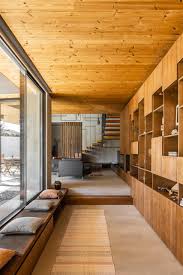
Introduction
When it comes to choosing natural wood for exterior and interior use, there are many options available. However, not all woods are created equal. In this article, we’ll explore the different types of wood, their characteristics, and how to choose the right one for your needs.
Why Choose Natural Wood?
Natural wood is considered the most eco-friendly material choice due to its ability to absorb carbon dioxide and energy from the sun during its growth cycle. However, it’s essential to understand that not all woods are suitable for exterior or interior use.
Types of Wood: Exterior vs. Interior
Before we dive into the specifics, it’s crucial to recognize that wood is not a one-size-fits-all solution. Some types of wood are better suited for exterior use, while others are ideal for interior applications. Understanding the differences will help you make informed decisions and avoid unnecessary maintenance.
Exterior Woods with No Maintenance
These woods retain their physical and mechanical properties without any treatment or coating. They also maintain their original color, which can add to their charm over time. Some popular options include:
- Acacia
- Cedar (African)
- Cypress
- Larice
- Oak (Rovere)
- Olive Tree
- Sequoia
- Iroko
- Teak
These woods are perfect for exterior applications where minimal maintenance is required.
Advantages of Using Exterior Woods with No Maintenance
Using exterior woods with no maintenance offers several advantages, including:
- Durability: These woods can withstand harsh weather conditions without showing any signs of wear and tear.
- Low Maintenance: They require little to no maintenance, making them perfect for homeowners who want a hassle-free exterior finish.
- Unique Appearance: The natural color and texture of these woods add a unique charm to your exterior space.
Exterior Woods with Regular Maintenance
While these woods still offer great durability, they may require regular treatment to maintain their physical and mechanical properties. However, this is worth it for the unique appearance they provide. Some examples include:
- Birch (Abete)
- Douglas Fir
- Frassine
- Pine
- Sipo
- Sitka Spruce
To keep these woods looking their best, you’ll need to apply ingrassants (vegetable-based or non-aggressive) every 5 years.
Advantages of Using Exterior Woods with Regular Maintenance
Using exterior woods with regular maintenance offers several advantages, including:
- Enhanced Durability: Regular treatment helps maintain the wood’s physical and mechanical properties, ensuring it remains durable for years to come.
- Improved Appearance: The wood can retain its original color and texture, resulting in a more attractive exterior finish.
- Increased Protection: Ingrassants provide an extra layer of protection against harsh weather conditions.
Interior Woods: Not Suitable for Exterior Use
These woods lack natural defense mechanisms that would allow them to withstand outdoor conditions. As a result, they can be used indoors without any treatment or coating. Some popular options include:
- Ash (Acero)
- Beech (Faggio)
- Cherry
- Oak (Ontano)
- Hazel (Ciliegio)
- Maple (Noce)
- Pine Strobo
- Birch (Cirmolo)
- Poplar (Pero)
These woods are perfect for interior applications where they can be enjoyed without the need for exterior protection.
Advantages of Using Interior Woods
Using interior woods offers several advantages, including:
- Cost-Effective: Interior woods are often less expensive than their exterior counterparts.
- Aesthetically Pleasing: They come in a wide range of colors and textures, making them perfect for adding a touch of elegance to your indoor space.
- Low Maintenance: Since these woods don’t require any treatment or coating, they’re perfect for homeowners who want a hassle-free interior finish.
Conclusion
Choosing the right natural wood for your needs requires consideration of its characteristics, durability, and maintenance requirements. By understanding the differences between exterior and interior woods, you’ll be able to make informed decisions and create a beautiful and functional space that reflects your personal style.
Frequently Asked Questions
- What is the most durable type of wood for outdoor use?
The most durable types of wood for outdoor use are Acacia, Teak, and Iroko. These woods retain their physical and mechanical properties without any treatment or coating. - How often should I treat my exterior wood with ingrassants?
You should apply ingrassants every 5 years to maintain the appearance of your exterior wood. - Can I use interior woods for outdoor applications?
No, it’s not recommended to use interior woods for outdoor applications due to their lack of natural defense mechanisms. - What is the best type of wood for a high-traffic area?
The best type of wood for a high-traffic area is Acacia or Teak, as they offer excellent durability and resistance to wear and tear. -
Can I use natural wood on a balcony or patio?
Yes, you can use natural wood on a balcony or patio, but make sure to choose the right type of wood and apply regular maintenance to protect it from the elements. -
How do I clean my exterior wood without damaging its finish?
To clean your exterior wood without damaging its finish, use a mild soap solution and avoid using harsh chemicals or abrasive materials. -
Can I stain or paint natural wood?
Yes, you can stain or paint natural wood, but make sure to choose the right type of finish and follow the manufacturer’s instructions to avoid damage. -
What is the difference between treated and untreated wood?
Treated wood has been chemically processed to resist rot, decay, and insect damage. Untreated wood, on the other hand, has not undergone any chemical treatment and may require more maintenance to protect it from the elements.
Conclusion: Choosing the Right Natural Wood for Your Needs
Choosing the right natural wood for your needs requires careful consideration of its characteristics, durability, and maintenance requirements. By understanding the differences between exterior and interior woods, you’ll be able to make informed decisions and create a beautiful and functional space that reflects your personal style.
In conclusion, choosing the right natural wood is an essential decision when it comes to creating a stunning outdoor or indoor space. Whether you choose exterior woods with no maintenance or regular maintenance, or interior woods, there’s a type of wood out there for everyone. By following these guidelines and frequently asked questions, you’ll be well on your way to choosing the perfect natural wood for your needs.


