
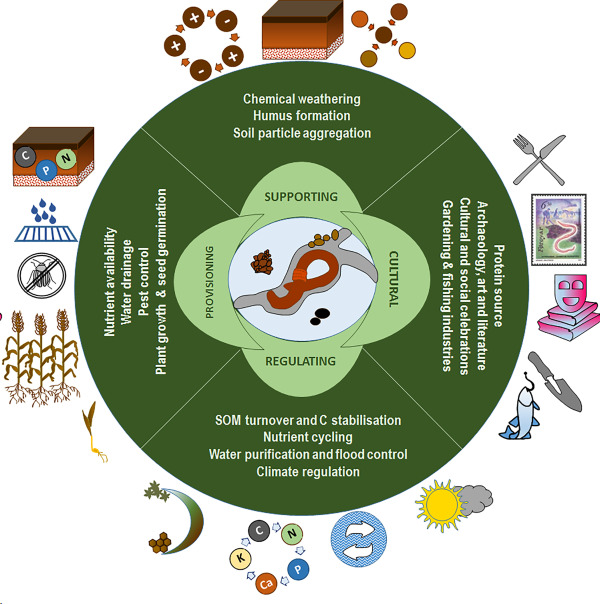
Soil health is crucial for plant growth and agricultural productivity. One essential component of healthy soil is humus, a nutrient-rich substance formed from decomposed organic matter. In this article, we will delve into the world of humus, exploring its formation processes, benefits, and composition, as well as its significance in agriculture.
What is Humus?
Humus, organic matter, and compost are often used interchangeably, but they have distinct meanings. Humus refers to the decomposed remains of plants and animals that have been broken down into a stable, humic acid-based compound. This process occurs over time, typically taking several years to decades.
How Does Humus Form?
The formation of humus is a complex process involving microorganisms such as bacteria, fungi, and earthworms. These organisms break down organic matter from plant debris, animal waste, and other sources into a stable, humic acid-based compound. This process occurs in several stages:
- Decomposition: Microorganisms start breaking down organic matter into simpler compounds.
- Humification: The microorganisms convert these compounds into humus, releasing volatile organic compounds (VOCs) and water vapor.
- Maturation: Over time, the humus becomes more stable and resistant to decomposition.
The Role of Worms in Humus Formation
Worms play a significant role in humus formation by consuming decaying organic matter and excreting nutrient-rich castings that act as a fertilizer for plants. This natural process is essential for maintaining healthy soil structure and promoting plant growth.
- Worm Burrows: Worm burrows create pathways for air, water, and nutrients to penetrate the soil, improving aeration and drainage.
- Castings: Worm castings are rich in nutrients, including nitrogen, phosphorus, and potassium, making them an excellent fertilizer for plants.
Types of Humus in Soil
Humus can be classified based on the types of organic matter present in the soil. For example:
- Deciduous Forests: Coniferous trees dominate these forests, producing humus with high carbon-to-nitrogen ratios.
- Mixed Hardwood Forests: These forests have a more balanced ratio of carbon to nitrogen, reflecting the diverse plant species present.
Benefits of Humus for Soil Health
Humus has several benefits for soil health, including:
- Improved Water Retention and Drainage: Humus helps retain moisture in the soil while allowing excess water to drain away.
- Increased Fertility and Nutrient Availability: Humus releases nutrients as plants need them, reducing the need for synthetic fertilizers.
- Enhanced Soil Structure and Aeration: Worm burrows and humus improve soil structure and aeration, making it easier for roots to grow.
The Significance of Humus in Agriculture
Humus plays a crucial role in agriculture by providing plants with essential nutrients and improving soil health. By promoting healthy soil biota, humus helps maintain soil fertility, structure, and overall well-being.
- Crop Yield: Plants grown in humus-rich soils tend to have higher yields and better resistance to pests and diseases.
- Soil Erosion Prevention: Humus helps stabilize the soil, preventing erosion and landslides.
- Water Quality Improvement: Humus can filter out impurities from water, improving its quality for irrigation and human consumption.
Understanding the Composition of Humus
Humus is composed of various compounds, including:
- Carbon-rich Compounds: Carbon-based molecules like cellulose, lignin, and humic acids are present in humus.
- Nitrogen-based Compounds: Nitrogen-containing molecules like amino acids and ammonia are also part of the humus composition.
- Other Minerals and Microelements: Humus can contain trace elements like phosphorus, potassium, and calcium, making it a nutrient-rich substance.
The Importance of Monitoring Soil pH
Soil pH can significantly impact humus formation and overall soil health. A balanced pH range allows for optimal microbial activity, which is essential for decomposing organic matter into humus.
- Acidic Soils: Acidic soils tend to have lower microbial activity, reducing humus formation.
- Alkaline Soils: Alkaline soils can lead to over-accumulation of calcium carbonate, affecting soil pH and microbial activity.
Conclusion
Humus is a vital component of healthy soil ecosystems. By understanding its formation processes, benefits, and composition, we can better appreciate the importance of maintaining optimal soil conditions for plant growth and agriculture.


