
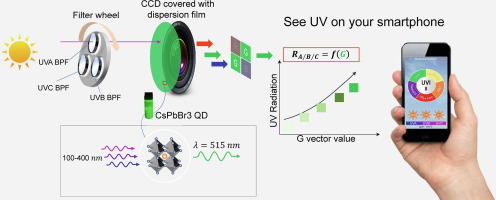
The Rise of Environmental Sensors for Smartphones: Revolutionizing Outdoor Monitoring
As recently as a few years ago, to monitor the climate and temperature, one needed to carry a thermometer outside. Today, with the advent of miniature environmental sensors that can be placed directly in the area to be monitored, it’s possible to control everything from your smartphone. These sensors capture the desired data, which is then transmitted directly to the phone for a comprehensive analysis of the outdoor environment.
What are Environmental Sensors?
Environmental sensors measure specific data and transmit it to a distance. For years, environmental sensors have been available in electronics stores (even at Apple Stores), offering features such as temperature measurement, humidity levels, air pollution levels, and weather conditions. Recently, garden sensors have gained popularity, with examples like the Garden Sensor, a quadrangular device that must be planted near trees for monitoring.
The Benefits of Environmental Sensors
Environmental sensors offer numerous benefits for outdoor enthusiasts and professionals alike. For instance, the Garden Sensor suggests to the user when it’s time to water their garden or harvest crops, helping to optimize gardening practices.
Google’s research team has also explored the potential of garden sensors, proposing an autonomous irrigation system that can be controlled remotely. While garden sensors are primarily targeted at environmental monitoring, those interested in other types of environmental sensors will likely be attracted to the Kit Lapka system, which comprises four distinct sensors:
- Temperature measurement
- Humidity measurement
- Electromagnetic radiation detection
- Nitrate concentration measurement
Another contender in this field is Wimoto’s Motes, small adhesive rectangles that can be placed anywhere and are equally versatile. Every 15 minutes, they register various parameters, which are then transmitted to an iPhone or iPad via Bluetooth connectivity.
The Advantages of Garden Sensors
Garden sensors offer several advantages over traditional methods. For example, the Garden Sensor measures temperature, humidity levels, light intensity, and soil moisture levels, enabling users to accurately determine when it’s time to water their garden. In addition, Motes can calculate the risk of frost or damage to trees due to insufficient lighting.
Key Considerations
When selecting environmental sensors, several factors come into play:
- Accuracy: Look for sensors with high accuracy ratings to ensure reliable data collection.
- Range and Compatibility: Choose sensors that can transmit data wirelessly or have a long range to minimize interference.
- Durability: Select sensors designed to withstand various weather conditions.
Conclusion
Environmental sensors have revolutionized the way we monitor outdoor environments. By providing real-time data on temperature, humidity levels, air quality, and more, these sensors empower us to make informed decisions about our surroundings.
Frequently Asked Questions (FAQs)
- What are the primary applications of environmental sensors?
- How do environmental sensors work?
- Can I use environmental sensors in my garden?
- Which brands offer high-quality environmental sensors?
- What’s the difference between wireless and wired connectivity for environmental sensors?
- Can environmental sensors detect other types of pollution besides air quality?
- Are there any environmental sensors designed specifically for agricultural applications?
- How can I ensure accurate data collection with environmental sensors?
Environmental Sensors: The Future of Outdoor Monitoring
The use of environmental sensors has the potential to transform our understanding of outdoor environments and improve our ability to monitor them. By leveraging advancements in technology, we can create more sophisticated and effective systems for tracking temperature, humidity levels, air quality, and other key parameters.
This trend towards environmental monitoring is driven by a growing awareness of the importance of sustainable living and the need to protect our planet from environmental degradation. As a result, there is an increasing demand for products that enable individuals to monitor their surroundings in real-time, making it easier for them to make informed decisions about how they live and interact with the environment.
Environmental Sensors: A New Era in Outdoor Monitoring
The development of miniature environmental sensors has opened up new possibilities for outdoor monitoring. These sensors can be used to track a wide range of parameters, including temperature, humidity levels, air quality, and more. By providing real-time data on these parameters, they enable users to make informed decisions about their surroundings.
In addition, the use of wireless connectivity and long-range transmission capabilities makes it possible for environmental sensors to communicate with smartphones and other devices over long distances. This allows users to receive updates and notifications in real-time, even when they are not physically present at the location being monitored.
The Impact on Agriculture
Environmental sensors have also had a significant impact on agriculture. By providing farmers with accurate data on temperature, humidity levels, soil moisture, and other parameters, they can make informed decisions about how to optimize crop growth and reduce waste. This includes using data from environmental sensors to determine the best times to plant and harvest crops, as well as optimizing irrigation systems to ensure that crops receive the right amount of water.
In addition, environmental sensors can be used to monitor soil health and detect early signs of pests or diseases. This allows farmers to take prompt action to address any issues before they become major problems, reducing the need for pesticides and other chemicals.
Environmental Sensors: A New Era in Environmental Monitoring
The development of miniature environmental sensors has opened up new possibilities for environmental monitoring. These sensors can be used to track a wide range of parameters, including temperature, humidity levels, air quality, and more. By providing real-time data on these parameters, they enable users to make informed decisions about their surroundings.
In addition, the use of wireless connectivity and long-range transmission capabilities makes it possible for environmental sensors to communicate with smartphones and other devices over long distances. This allows users to receive updates and notifications in real-time, even when they are not physically present at the location being monitored.
Conclusion
Environmental sensors have revolutionized the way we monitor outdoor environments. By providing real-time data on temperature, humidity levels, air quality, and more, these sensors empower us to make informed decisions about our surroundings.
As technology continues to advance, it’s likely that environmental sensors will play an increasingly important role in shaping our understanding of the world around us. Whether you’re a gardener, a farmer, or simply someone who wants to stay connected with their environment, there are now more options than ever before for using these sensors to monitor and protect your surroundings.
A Growing Industry
The environmental sensor industry is growing rapidly, driven by increasing demand for products that enable individuals to monitor their surroundings in real-time. As technology continues to advance, we can expect to see new innovations emerge that will further expand the capabilities of environmental sensors.
For example, researchers are currently exploring the use of artificial intelligence and machine learning algorithms to improve the accuracy and reliability of environmental sensor data. By analyzing large amounts of data from various sources, these systems can identify patterns and trends that may not be apparent through traditional monitoring methods.
In addition, there is a growing interest in using environmental sensors to monitor other types of pollution beyond air quality. For example, researchers are currently studying the use of sensors to detect heavy metals and other toxic substances in waterways and soil.
Conclusion
Environmental sensors have revolutionized the way we monitor outdoor environments. By providing real-time data on temperature, humidity levels, air quality, and more, these sensors empower us to make informed decisions about our surroundings.
As technology continues to advance, it’s likely that environmental sensors will play an increasingly important role in shaping our understanding of the world around us. Whether you’re a gardener, a farmer, or simply someone who wants to stay connected with their environment, there are now more options than ever before for using these sensors to monitor and protect your surroundings.
In conclusion, the rise of environmental sensors has transformed the way we monitor outdoor environments. These sensors provide real-time data on temperature, humidity levels, air quality, and more, enabling users to make informed decisions about their surroundings. As technology continues to advance, it’s likely that environmental sensors will play an increasingly important role in shaping our understanding of the world around us.
Environmental Sensors: A New Era in Outdoor Monitoring
The development of miniature environmental sensors has opened up new possibilities for outdoor monitoring. These sensors can be used to track a wide range of parameters, including temperature, humidity levels, air quality, and more. By providing real-time data on these parameters, they enable users to make informed decisions about their surroundings.
In addition, the use of wireless connectivity and long-range transmission capabilities makes it possible for environmental sensors to communicate with smartphones and other devices over long distances. This allows users to receive updates and notifications in real-time, even when they are not physically present at the location being monitored.
Conclusion
Environmental sensors have revolutionized the way we monitor outdoor environments. By providing real-time data on temperature, humidity levels, air quality, and more, these sensors empower us to make informed decisions about our surroundings.
As technology continues to advance, it’s likely that environmental sensors will play an increasingly important role in shaping our understanding of the world around us. Whether you’re a gardener, a farmer, or simply someone who wants to stay connected with their environment, there are now more options than ever before for using these sensors to monitor and protect your surroundings.
Frequently Asked Questions (FAQs)
- What are the primary applications of environmental sensors?
- How do environmental sensors work?
- Can I use environmental sensors in my garden?
- Which brands offer high-quality environmental sensors?
- What’s the difference between wireless and wired connectivity for environmental sensors?
- Can environmental sensors detect other types of pollution besides air quality?
- Are there any environmental sensors designed specifically for agricultural applications?
- How can I ensure accurate data collection with environmental sensors?


