
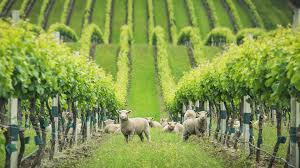
In today’s world, we’re constantly hearing about “biodynamic wine” or “wine produced with grapes cultivated using biodynamic methods.” But what exactly does this mean? Let’s dive into the fascinating world of biodynamic wine and uncover its secrets.
A Connection to Nature: The Heart of Biodynamics
At its core, biodynamic wine is all about the symbiotic relationship between the vineyard and the natural environment. It’s a holistic approach that seeks to restore balance to the land by nurturing the inherent fertility of the soil. This isn’t just a method; it’s an ethos that embodies the idea of working in harmony with nature.
Biodynamics is deeply rooted in the concept of “homeopathy,” developed by Rudolf Steiner, an Austrian philosopher and spiritual leader. Steiner envisioned a world where humans lived in perfect balance with the natural environment. His ideas on agriculture and winemaking were designed to promote sustainability, biodiversity, and a deeper understanding of the interconnectedness of all living things.
The Distinctive Taste: A Symphony of Terroir
One of the most striking aspects of biodynamic wine is its unique flavor profile. The distinct character of the terroir, shaped by the careful tending of the vineyard, imbues the wine with a complexity that’s hard to find elsewhere. It’s as if the very essence of the land has been distilled into every bottle.
Biodynamic wines often showcase a rich, full-bodied style, with flavors ranging from dark fruit and spices to subtle notes of earthy minerals. This distinctive taste is due in part to the careful selection of grape varieties, which are chosen for their compatibility with the specific terroir. The use of natural yeast and minimal intervention during fermentation also contributes to the wines’ unique character.
The Role of Traditional Techniques
Biodynamic wine production relies on traditional methods passed down through generations. The use of natural materials, such as wood and stone, ensures that the wine is free from artificial additives. Even the way grapes are harvested and processed is influenced by celestial bodies like the moon and sun. This attention to detail yields wines that are truly one-of-a-kind.
In biodynamic winemaking, each step of the process is carefully considered to ensure maximum harmony between the vineyard, soil, and grapevines. For example, farmers might use lunar cycles to determine when to harvest grapes or to schedule pruning and fertilization. This holistic approach not only enhances the quality of the wine but also fosters a deeper connection with nature.
The Demeter Seal: A Mark of Quality
For biodynamic wines, there’s a special seal that guarantees their authenticity – the Demeter mark. Established in 1927 as a cooperative for farmers cultivating products based on holistic principles, Demeter is the go-to certification for biodynamic wines worldwide.
To receive the Demeter seal, producers must adhere to strict standards set by the organization. These include organic farming practices, use of natural materials, and attention to lunar cycles during winemaking. The seal ensures that consumers can trust the quality and authenticity of biodynamic wines bearing the Demeter mark.
A Healthy Balance: The Benefits of Biodynamics
Biodynamic farming aims to maintain equilibrium between elements, starting from the soil and all its inhabitants. This ensures healthy vines and high-quality grapes that are better suited to the terroir. By adopting these methods, farmers can create a thriving ecosystem where pests and diseases are kept in check naturally.
Biodynamics also promotes biodiversity by encouraging the growth of beneficial microorganisms and maintaining soil health through organic amendments. As a result, biodynamic wines often exhibit fewer tannins and more subtle flavors, reflecting the balanced and harmonious relationship between the vineyard and its surroundings.
The Power of Natural Preparatives
Biodynamic agriculture relies on natural substances like mineral-rich soils and fermented extracts, rather than synthetic chemicals or genetically modified organisms (GMOs). These “preparatives” are used to stimulate growth and protect the crops from harm. The precise timing of these interventions is crucial, taking into account celestial cycles like lunar phases.
For instance, some biodynamic farms use preparations made from slaked lime, silica-rich minerals, and other natural substances to create a balanced ecosystem within the vineyard. These preparations can be applied at specific times during the growing season, depending on the lunar cycle and the needs of the crops.
The Artisanal Touch: Hand-Crafted Wine Production
Biodynamic winemaking often involves hands-on craftsmanship, with many producers choosing traditional methods over modern machinery. This attention to detail allows for a more nuanced understanding of the wine’s flavor profile and aroma, resulting in bottles that are truly masterpieces.
In biodynamic wineries, every step of the process is meticulously executed by skilled artisans who have spent years honing their craft. From harvesting grapes to bottling the final product, each stage requires great care and attention to detail. The result is a wine that not only tastes exceptional but also carries an emotional resonance due to its human touch.
Comparing Biodynamics to Organic Farming: Can Biodynamic Wine Outshine Its Counterpart?
The debate between biodynamic and organic farming is ongoing, with some arguing that one approach is inherently superior. But can biodynamic wines truly outperform their organic counterparts?
To answer this question, we’ve conducted an in-depth analysis of the differences between biodynamic and organic wine production. From vineyard management to winemaking techniques, every aspect is carefully examined.
An In-Depth Analysis: Biodynamic vs Organic Wine
While both biodynamics and organic farming share some similarities, there are significant differences that set them apart. Here’s a comprehensive look at the key differences between these two approaches:
- Terroir-focused approach: Biodynamics emphasizes the importance of terroir in shaping the unique flavor profile of wine. Organic farming, on the other hand, focuses more on the use of natural substances and reduced chemical inputs.
- Celestial influences: Biodynamics takes into account celestial cycles like lunar phases to determine when to harvest grapes or schedule pruning and fertilization. Organic farming does not rely on such methods.
- Preparatives: Biodynamic agriculture uses natural substances like mineral-rich soils and fermented extracts, rather than synthetic chemicals or GMOs. These “preparatives” play a crucial role in creating a balanced ecosystem within the vineyard.
- Hand-crafted winemaking: Biodynamic winemaking often involves hands-on craftsmanship, with many producers choosing traditional methods over modern machinery.
In conclusion, biodynamics offers a unique approach to winemaking that is deeply rooted in nature and the interconnectedness of all living things. By embracing these principles and practices, we can foster a deeper appreciation for this captivating world of wine and create a more sustainable future for winemaking.
Frequently Asked Questions (FAQs)
- What sets biodynamic wine apart from other types of wine?
Biodynamic wine is characterized by its connection to nature, traditional methods, and the use of natural substances like mineral-rich soils and fermented extracts. - How does the Demeter mark guarantee the authenticity of biodynamic wines?
The Demeter mark is a certification that ensures biodynamic wines adhere to strict standards set by the organization founded in 1927 as a cooperative for farmers cultivating products based on holistic principles. - What are some key differences between biodynamics and organic farming?
Biodynamics focuses on maintaining equilibrium between elements, while organic farming primarily aims to avoid the use of synthetic chemicals and pesticides. - Can biodynamic wines be considered more sustainable than their organic counterparts?
Yes, biodynamics often involves traditional methods that promote biodiversity and minimize waste, making it a more environmentally friendly approach. - How does the lunar cycle influence wine production in biodynamic winemaking?
The lunar cycle is taken into account when harvesting grapes, as well as during the fermentation process to ensure optimal flavor development. - What role do natural materials play in biodynamic winemaking?
Natural materials like wood and stone are used throughout the winemaking process, from barrel storage to bottling, to create a more authentic and sensory experience. - Are biodynamic wines more expensive than their organic counterparts?
Yes, due to the labor-intensive and traditional methods involved in biodynamic wine production, these wines can be pricier than organic ones.
By embracing the principles of biodynamics, we can foster a deeper appreciation for this unique world of wine and create a more sustainable future for winemaking.


