
As an athlete, whether you’re a professional or amateur, there are several ways to gauge your fitness level and the effectiveness of your training. One approach is to use specialized tests that can provide insights into your cardiovascular endurance and overall physical condition. In this article, we’ll explore two such tests: VO2max and the Cooper test.
What is VO2max?
VO2max, or maximal oxygen uptake, measures the amount of oxygen your body can utilize in a given time period. When you exercise, your body uses a certain amount of oxygen to generate energy. The value of VO2max represents this amount of oxygen used per unit of time.
Think of it like a car’s fuel efficiency: just as a car that gets better gas mileage is more efficient, the human body that can utilize oxygen more efficiently has a higher VO2max. A higher VO2max indicates that your body is better equipped to perform high-intensity activities and sustain long periods of exercise.
Understanding VO2max in Relation to Fitness and Health
VO2max serves two main purposes:
- Fitness evaluation: It helps determine your ability to optimize oxygen consumption during training and competition.
- Health assessment: In the context of cardiovascular health, VO2max is linked to overall well-being. Studies have shown that higher VO2max values are associated with better health outcomes, including increased life expectancy.
VO2max is also an indicator of aerobic capacity, which plays a crucial role in many sports and physical activities. Athletes who excel at endurance events, such as distance running or cycling, often possess high VO2max values. Similarly, individuals who engage in regular aerobic exercise tend to have higher VO2max values than those who are sedentary.
The Cooper Test: What You Need to Know
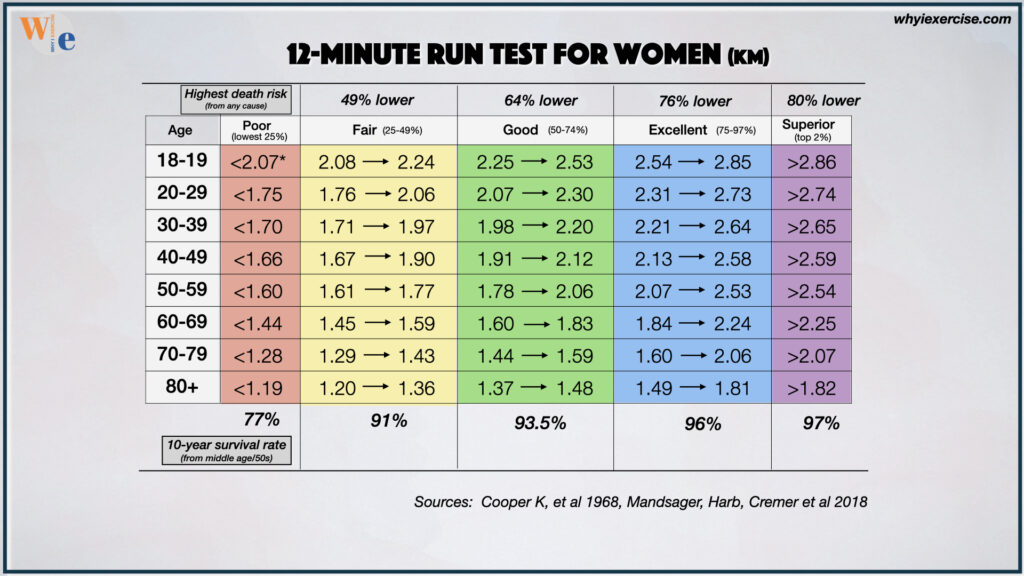
The Cooper test is a widely used method for estimating VO2max. It involves running at maximum intensity for 12 minutes on a flat, obstacle-free surface (preferably a track or a straight road). The goal is to cover the greatest distance possible during this time.
The test has several benefits:
- Easy to conduct: You don’t need any special equipment or training.
- Practical application: It helps you gauge your current fitness level and monitor progress over time.
- Valuable insights: By analyzing your performance, you can identify areas for improvement and adjust your training accordingly.
However, it’s essential to note that the Cooper test has some limitations:
- Individual variability: Factors such as motivation, experience, and weather conditions can significantly impact results.
- Interpretation: The test is not always accurate, especially if you’re new to running or haven’t been active in a while.
Conducting the Cooper Test: Tips and Preparation
To get the most out of the Cooper test:
- Warm up: Perform a 15-minute easy run before starting the test.
- Choose a suitable location: Opt for a flat, obstacle-free surface with minimal distractions.
- Get support: Have someone to time your run and provide moral support (if possible).
- Stay focused: Maintain a consistent pace throughout the 12 minutes.
Calculating VO2max from the Cooper Test Results
Once you’ve completed the test, compare your results to the chart below:
| Distanza percorsa (metri) | Percentage of predicted value |
|---|---|
| <400 | Below average |
| 400-550 | Average |
| 551-700 | Above average |
| >700 | Excellent |
To calculate VO2max, use the formula: VO2 max in ml/min/kg = (Distanza percorsa in metri – 504.9) / 44.73.
Advanced Tools for Measuring VO2max
While the Cooper test is a reliable method, some athletes prefer to use more advanced tools, such as heart rate monitors and GPS-enabled watches. These devices can provide more accurate measurements and offer additional features like:
- Real-time tracking: Monitor your performance in real-time.
- Personalized feedback: Get tailored suggestions for improvement.
- Long-term progress monitoring: Track your VO2max over time.
How to Improve Your VO2max
Improving VO2max requires a combination of cardiovascular exercise, strength training, and high-intensity interval training (HIIT). Here are some tips to help you boost your VO2max:
- Aerobic exercise: Engage in regular aerobic activities like running, cycling, or swimming for at least 150 minutes per week.
- Strength training: Incorporate strength training exercises into your routine to improve muscular endurance and overall fitness.
- High-intensity interval training (HIIT): Use HIIT workouts that involve short bursts of high-intensity exercise followed by periods of rest or low-intensity exercise.
Conclusion
VO2max and the Cooper test are powerful tools for evaluating fitness level, cardiovascular endurance, and overall health. While they’re not perfect, these methods provide a practical and accessible way to assess your physical condition and identify areas for improvement.
By understanding how to conduct the Cooper test and calculate VO2max, you can take control of your fitness journey and make data-driven decisions about your training and lifestyle.
Frequently Asked Questions (FAQs)
- Q: How often should I do the Cooper test?
A: Aim to perform the test every 3-6 months to track progress and identify areas for improvement. - Q: Can I use a fitness tracker or smartwatch to measure VO2max?
A: Yes, many modern devices offer built-in heart rate monitoring and VO2max calculations. However, accuracy may vary depending on the device and individual factors. - Q: Is it safe to attempt the Cooper test without proper training?
A: While generally considered safe, attempting the test without proper training can lead to injury or burnout. It’s essential to consult with a medical professional or experienced coach before starting a new exercise program. - Q: How does VO2max relate to overall health and wellness?
A: Higher VO2max values are associated with better cardiovascular health, increased life expectancy, and improved mental well-being. - Q: Can I use the Cooper test as a substitute for other fitness assessments?
A: No, the Cooper test is one tool among many used to evaluate fitness level and cardiovascular endurance. A comprehensive approach should include multiple assessments and regular monitoring.
Additional Resources
For more information on VO2max and the Cooper test, consult the following resources:
- American College of Sports Medicine (ACSM): Provides guidelines for measuring VO2max and interpreting results.
- National Academy of Sports Medicine (NASM): Offers training programs and resources for improving VO2max and overall fitness.
- European Society of Cardiology: Publishes research on cardiovascular health and VO2max, including studies on the Cooper test.
By understanding the importance of VO2max and the Cooper test, you can take the first step towards optimizing your fitness journey and achieving a healthier, happier you.


