
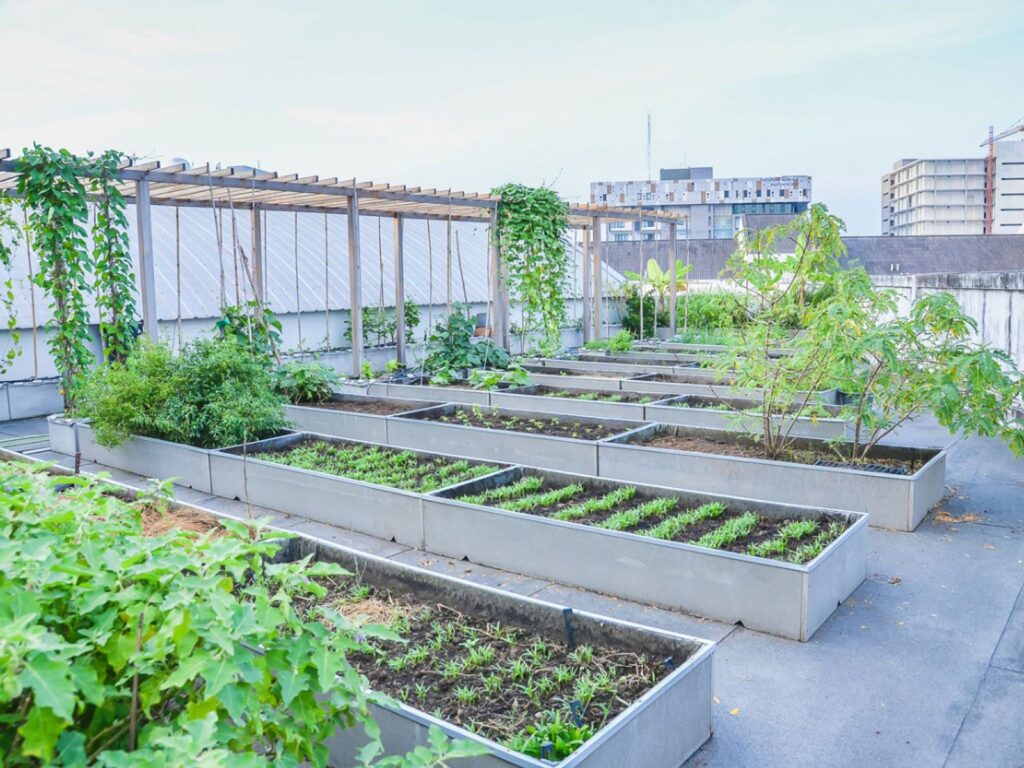
As the temptation to buy fresh fruits and vegetables from the market grows, it’s essential to remember that the methods used by commercial farmers can be detrimental to our health. The only guarantee we have is growing our own garden in the comfort of our homes. If you don’t have a large plot of land, don’t worry! You can still cultivate a garden on your balcony or patio using some creative techniques and the right tools.
The Essential Tools for Balcony Gardening
Before starting your balcony gardening journey, make sure you have the necessary tools to get started. What do you need?
- A short-handled trowel for transplanting
- A short-handled cultivator for aerating the soil
- Pruning shears
- Gloves
- A drop cloth or tarp to cover your balcony when handling wet plants
- A watering can
- Containers
- Neutral potting soil
- Compost or fertilizer
Choosing the Right Containers and Materials
When it comes to containers, consider using terracotta pots for their excellent drainage properties. For hanging baskets, opt for plastic materials that are lightweight and easy to care for. You’ll also want to choose plants that thrive in these conditions.
Repurposing Household Items for Your Garden
Get creative with household items you might otherwise discard! Use:
- Twine or string to tie up plants
- Old nylons, straws, or paper bags as natural planters
- Chicken manure or pelletized compost to create nutrient-rich soil
- Dry leaves, straw, or shredded newspaper for mulch and composting
- Cleaned plastic bottles as self-watering containers
- Bamboo canes or willow branches as trellises
What Plants to Choose for Your First Year
As a beginner, focus on easy-to-grow plants that require minimal maintenance. Consider starting with aromatic herbs like:
- Rosemary
- Thyme
- Sage
These versatile plants are perfect for beginners and can be combined in the same container.
Some other popular options include:
- Basil
- Mint
- Parsley
- Cucumbers
- Tomatoes
Don’t forget to research specific growing requirements for each plant variety to ensure success!
Additional Resources
For more information on urban gardening and balcony gardening, check out our related article “Urban Gardening: Bringing Greenery to the City.”
Frequently Asked Questions
- How often should I water my plants?
- What are some common pests that can harm my plants?
- Can I grow a large variety of fruits and vegetables on my balcony?
- How do I deal with weeds in my balcony garden?
- What are some tips for maintaining soil quality in containers?
- Can I use rainwater to water my plants?
- How can I protect my plants from frost or extreme temperatures?
- Are there any specific nutrients that I should supplement in my container gardens?
How Often Should I Water My Plants?
Watering your plants is an essential part of balcony gardening. The frequency of watering depends on several factors, including the type of plant, climate, and soil quality.
Here are some general guidelines:
- Water plants when the top inch of soil feels dry to the touch
- Aim for about 1-2 inches of water per week, either from rain or irrigation
- Avoid overwatering, which can lead to root rot and other problems
- Check the specific watering requirements for each plant variety
What Are Some Common Pests That Can Harm My Plants?
As a balcony gardener, you’ll need to be aware of common pests that can harm your plants. Here are some of the most common culprits:
- Aphids: Small, soft-bodied insects that feed on sap
- Slugs and snails: Slimy creatures that can chew holes in leaves and stems
- Spider mites: Tiny, spider-like insects that feed on plant sap
- Whiteflies: Small, winged insects that feed on plant sap
To prevent pests from harming your plants, use integrated pest management (IPM) techniques, such as:
- Inspecting plants regularly for signs of infestation
- Using physical barriers to prevent pests from reaching plants
- Applying pesticides as a last resort


