
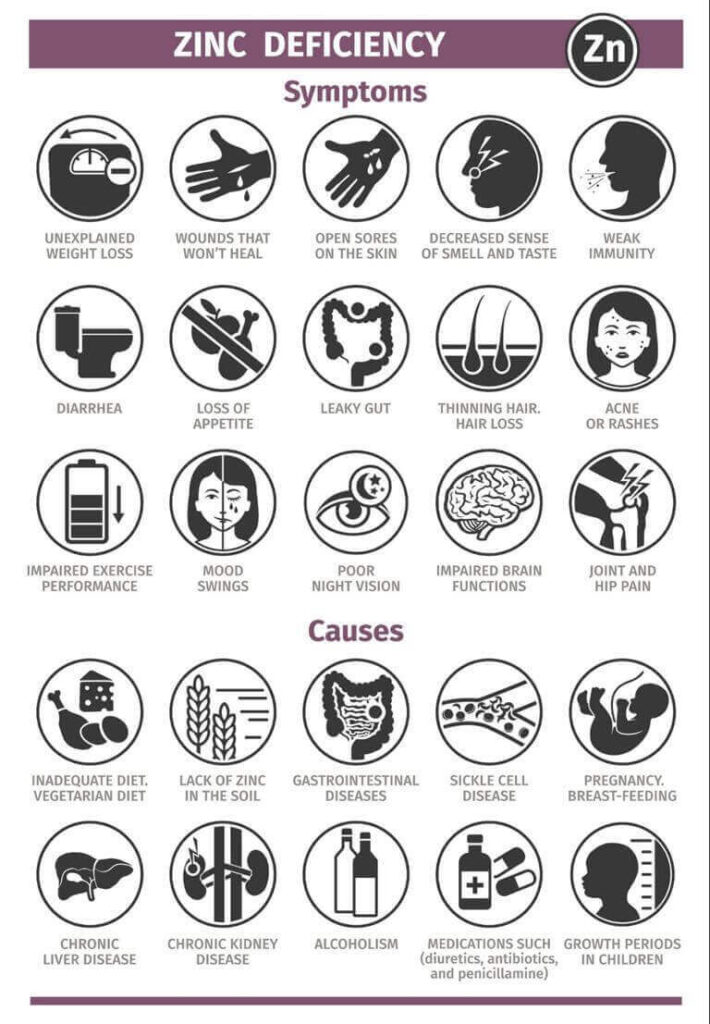
Zinc is an essential element that plays a vital role in maintaining our overall health. However, its deficiency can have significant effects on our well-being. In this article, we will explore the symptoms of zinc deficiency, how to recognize them, and the best ways to treat it.
The Importance of Zinc in Our Health
Zinc is an essential element that performs many critical functions in our body, including:
- Supporting immune function: Zinc helps regulate the activity of white blood cells, which are crucial for fighting off infections.
- Regulating taste and smell: Zinc plays a role in maintaining healthy taste buds and olfactory receptors, allowing us to enjoy a wide range of flavors and aromas.
- Maintaining healthy skin and hair: Zinc is essential for maintaining the integrity of our skin and promoting healthy hair growth.
- Facilitating wound healing: Zinc helps accelerate the healing process by stimulating collagen synthesis and tissue repair.
A deficiency in zinc can lead to a range of health problems, from mild symptoms to severe conditions. It’s essential to recognize the signs of zinc deficiency and take action to address them before they become more serious.
Recognizing the Signs of Zinc Deficiency
Numerous signs can indicate a zinc deficiency. These include:
- White spots on nails and skin: Zinc deficiency can cause white spots or patches to appear on our nails and skin, which can be unsightly but are not typically a cause for concern.
- Changes in appetite: Some individuals with zinc deficiency may experience changes in their appetite, leading them to consume more sweet or salty foods in an attempt to boost their energy levels.
- Altered taste and smell: Zinc plays a role in maintaining healthy taste buds and olfactory receptors. A deficiency can lead to changes in our sense of taste and smell, making food and drinks less enjoyable.
- Weight gain or loss: Zinc is involved in regulating metabolism, and a deficiency can lead to weight gain or loss, depending on individual circumstances.
- Decreased sense of taste due to zinc deficiency affecting taste receptors: Zinc is essential for maintaining healthy taste buds. A deficiency can lead to a decreased sense of taste, making food less enjoyable.
These symptoms can be mild or severe, depending on the individual. If you’re experiencing any of these symptoms, it’s essential to consult with your doctor to determine the best course of action.
Who is at Risk for Zinc Deficiency?
Certain groups are at higher risk for zinc deficiency. These include:
- Pregnant women with skin issues and frequent nausea: Pregnancy can increase the body’s demand for zinc, making pregnant women more susceptible to deficiency.
- People under stress: Stress can lead to increased cortisol levels, which can contribute to zinc deficiency.
- Individuals with digestive problems, such as celiac disease or Crohn’s disease: These conditions can lead to impaired nutrient absorption, including zinc.
- Individuals who consume a diet low in zinc-rich foods: A diet that is not well-balanced and lacks essential nutrients, such as zinc-rich foods, increases the risk of deficiency.
These individuals should be aware of the risks of zinc deficiency and take steps to prevent it.
Preventing Zinc Deficiency
There are several ways to prevent zinc deficiency. These include:
- Consuming a balanced diet that includes zinc-rich foods: Eating a variety of whole foods, including fruits, vegetables, meats, and fish, can provide essential zinc for our body.
- Taking dietary supplements if necessary: If you’re at risk for zinc deficiency or have a history of deficiency, consider taking a supplement to ensure adequate intake.
- Staying hydrated: Drinking plenty of water helps prevent dehydration, which can exacerbate zinc deficiency symptoms.
- Managing stress: Engaging in stress-reducing activities, such as meditation or yoga, can help manage cortisol levels and reduce the risk of zinc deficiency.
By taking these steps, you can reduce your risk of developing a zinc deficiency.
Natural Sources of Zinc
Fortunately, there are numerous natural sources of zinc. These include:
- Pumpkin seeds: Pumpkin seeds are one of the richest sources of zinc, with just 1/4 cup providing about 10% of our daily needs.
- Quinoa: Quinoa is a complete protein and a good source of zinc, making it an excellent addition to our diet.
- Cacao: Dark chocolate contains small amounts of zinc, making it a tasty way to boost your intake.
- Sesame seeds: Sesame seeds are rich in zinc and can be added to salads or smoothies for a nutritional boost.
- Germinated grains (such as brown rice): Germinating grains increases their bioavailability, making them easier to digest and absorb.
- Squash seeds: Squash seeds are a good source of zinc and can be roasted or sautéed as a snack.
- Flaxseeds: Flaxseeds contain small amounts of zinc but are also rich in omega-3 fatty acids and fiber.
These foods can provide essential zinc for our body. In addition to incorporating these foods into your diet, consider taking dietary supplements if necessary.
Choosing the Right Zinc Supplement
If you’re considering taking a zinc supplement, it’s essential to choose the right one. There are several types of zinc supplements available, including:
- Glycinate: glycinate is often used to treat colds and can be found in nasal sprays and gummies.
- Acetate: acetate is frequently added to cough syrups to relieve symptoms.
- Sulfate: sulfate has been shown to reduce acne severity and may be beneficial for individuals with skin issues.
- Picolinic acid: research suggests that picolinic acid is more easily absorbed by the body, making it a potential option for supplementing.
However, some medications may interact with zinc supplements. Before taking a supplement, consult with your doctor or healthcare professional to ensure it’s safe and effective for you.
Conclusion
Zinc plays an essential role in our overall health. If you’re experiencing symptoms of zinc deficiency or are at risk for it, consult with your doctor to determine the best course of action. By incorporating zinc-rich foods into your diet and selecting a suitable supplement, you can maintain optimal health.
FAQs:
Q: What are the common signs of zinc deficiency?
A: Common signs of zinc deficiency include white spots on nails and skin, changes in appetite, altered taste and smell, weight gain or loss, and decreased sense of taste due to zinc deficiency affecting taste receptors.
Q: Who is at risk for zinc deficiency?
A: Certain groups are at higher risk for zinc deficiency, including pregnant women with skin issues and frequent nausea, people under stress, individuals with digestive problems, such as celiac disease or Crohn’s disease, and individuals who consume a diet low in zinc-rich foods.
Q: How can I prevent zinc deficiency?
A: You can prevent zinc deficiency by consuming a balanced diet that includes zinc-rich foods, taking dietary supplements if necessary, staying hydrated, and managing stress.
Q: What are the natural sources of zinc?
A: Natural sources of zinc include pumpkin seeds, quinoa, cacao, sesame seeds, germinated grains (such as brown rice), squash seeds, flaxseeds, mirtillo, salvia, meat and fish (especially beef and chicken).
Q: How do I choose the right zinc supplement?
A: When choosing a zinc supplement, consider your individual needs and health status. Consult with your doctor or healthcare professional before taking any supplement to ensure it’s safe and effective for you.
Q: Can zinc deficiency be treated?
A: Yes, zinc deficiency can be treated by incorporating zinc-rich foods into your diet, taking dietary supplements if necessary, and managing stress. If symptoms persist, consult with your doctor to determine the best course of action.


