
As we navigate the world of nutrition, it’s easy to get caught up in the latest trends and fad diets. However, one macro-nutrient that deserves our attention is carbohydrates. Often misunderstood as the enemy of weight loss, carbohydrates play a crucial role in our overall health and well-being.
What are Carbohydrates?
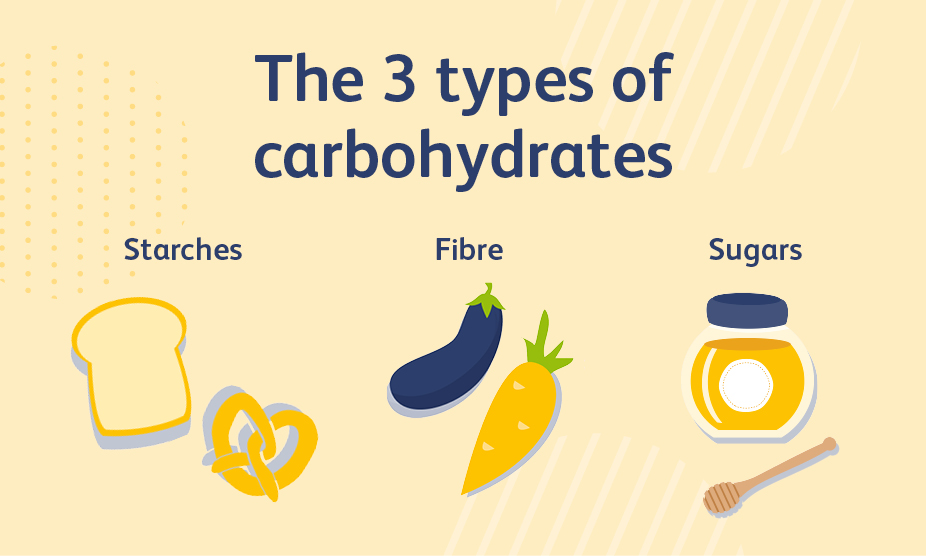
Carbohydrates are a type of macronutrient that provides energy for our bodies. They come in many forms, including sugars, starches, and fibers. These complex molecules are found in a wide variety of foods, from fruits and vegetables to whole grains and legumes.
The Benefits of Carbohydrates
So, why are carbohydrates so important? Here are just a few reasons:
- They provide energy for our bodies, especially during periods of high physical activity.
- They help regulate blood sugar levels and prevent conditions like diabetes.
- They promote digestive health by feeding the good bacteria in our gut.
How Much Carbohydrates Should We Consume?
The ideal amount of carbohydrates to consume varies depending on factors like age, sex, weight, and activity level. Generally, it’s recommended to make up 55% of your daily calorie intake with carbohydrates.
Foods Rich in Carbohydrates
Here are some examples of foods that are high in carbohydrates:
- Fruits: apples, bananas, berries
- Vegetables: broccoli, spinach, sweet potatoes
- Whole grains: brown rice, quinoa, whole wheat bread
- Legumes: lentils, chickpeas, black beans
- Dairy products: milk, yogurt, cheese
The Difference between Simple and Complex Carbohydrates
Carbohydrates can be broadly categorized into two types: simple and complex. Simple carbohydrates are quickly digested and absorbed by the body, while complex carbohydrates take longer to digest and provide more sustained energy.
- Examples of simple carbohydrates include:
- Sugars (sucrose, glucose, fructose)
- Starches (white rice, white bread)
Examples of Complex Carbohydrates
Complex carbohydrates are rich in fiber and take longer to digest, providing a feeling of fullness and satisfaction. Here are some examples:
- Whole grains: brown rice, quinoa, whole wheat bread
- Legumes: lentils, chickpeas, black beans
- Vegetables: broccoli, spinach, sweet potatoes
The Role of Insulin in Carbohydrate Metabolism
Insulin is a hormone produced by the pancreas that regulates blood sugar levels. When we eat carbohydrates, our body breaks them down into glucose, which is then transported to our cells via the bloodstream. Insulin helps facilitate this process by facilitating the uptake of glucose by our cells.
What Happens when We Don’t Consume Enough Carbohydrates?
When we don’t consume enough carbohydrates, our body may have to rely on alternative sources of energy, such as protein and fat. This can lead to a range of negative effects, including:
- Fatigue
- Weakness
- Dizziness
The Importance of Fiber in Carbohydrate Intake
Fiber is an essential component of carbohydrates that provides numerous health benefits. Here are just a few reasons why fiber is so important:
- Promotes digestive health by feeding the good bacteria in our gut.
- Helps regulate blood sugar levels and prevent conditions like diabetes.
- Supports healthy weight management.
Examples of High-Fiber Carbohydrates
Here are some examples of high-fiber carbohydrates:
- Fruits: apples, bananas, berries
- Vegetables: broccoli, spinach, sweet potatoes
- Legumes: lentils, chickpeas, black beans
How to Incorporate More Carbohydrates into Your Diet
Incorporating more carbohydrates into your diet can be easy and delicious. Here are some tips:
- Eat whole grains instead of refined carbs.
- Include a variety of fruits and vegetables in your meals.
- Choose high-fiber legumes as a protein source.
Tips for Reducing Carbohydrate Intake
While incorporating more carbohydrates into your diet is important, it’s also essential to be mindful of carbohydrate intake. Here are some tips:
- Limit added sugars to less than 10% of your daily calorie intake.
- Choose complex carbohydrates instead of refined starches.
- Be mindful of portion sizes and avoid overeating.
Common Carbohydrate Mistakes
Here are some common mistakes to avoid when it comes to carbohydrate intake:
- Eating too much added sugar
- Consuming excessive amounts of refined starches
- Failing to include a variety of fruits and vegetables in your diet
- Not consuming enough fiber-rich carbohydrates
Conclusion
Carbohydrates play a vital role in our overall health and well-being. By understanding the benefits, types, and sources of carbohydrates, we can make informed choices about what to eat and how to maintain a healthy diet.
Frequently Asked Questions (FAQs)
Q: Are all carbohydrates bad for me?
A: No, not all carbohydrates are created equal. Some carbohydrates, such as whole grains and fruits, provide important nutrients and fiber, while others, like added sugars and refined starches, can be detrimental to our health.
Q: How much protein do I need in my diet?
A: The amount of protein you need depends on factors like age, sex, weight, and activity level. Generally, it’s recommended to make up 10-35% of your daily calorie intake with protein.
Q: Can I get enough energy from fat alone?
A: No, our bodies require carbohydrates as a primary source of energy, especially during periods of high physical activity.
Q: What is the difference between simple and complex carbohydrates?
A: Simple carbohydrates are quickly digested and absorbed by the body, while complex carbohydrates take longer to digest and provide more sustained energy.
Q: How can I incorporate more fiber into my diet?
A: Eat a variety of fruits and vegetables, choose whole grains instead of refined carbs, and include high-fiber legumes as a protein source.


