
Introduction
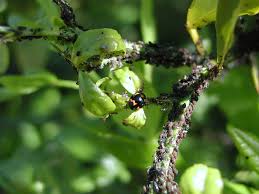
Citrus aphids, also known as “plant lice,” are a common pest that can cause significant damage to citrus plants. These tiny insects, measuring between 1.5 and 3 mm in length, come in various species that multiply rapidly, at the expense of citrus crops. In this article, we will delve into the world of citrus aphids, exploring their habits, damage, and treatment options.
Understanding Citrus Aphids
Citrus aphids are sap-sucking insects that feed on the plant’s phloem, causing two main types of damage:
- Sap removal: Aphids suck the plant’s sap, weakening its structure and potentially leading to yellowing or browning leaves.
- Inoculation: Aphids also secrete a sticky substance called honeydew, which can attract other insects and promote fungal growth.
Life Cycle and Habitat
Citrus aphids thrive in warmer temperatures, typically during the spring season. They multiply quickly, making them challenging to manage. The three most common species of citrus aphids are:
- Cotton Aphid: A white, cottony appearance with a red or yellow underside.
- Brown Citrus Aphid: A dark brown or black color with a distinctive wing pattern.
- Green Citrus Aphid: A light green or yellowish-green color with a more elongated body shape.
Commonly Affected Citrus Varieties
Mandarin, clementine, and orange are the most frequently affected citrus varieties by aphids. These pests can also infest other types of citrus plants, including lemons, limes, and grapefruits.
Control Methods
Several control methods can be employed to manage citrus aphids:
- Chemical control: The use of specific, selective insecticides is the most common method of control. However, this approach requires caution to avoid harming beneficial insects.
- Natural predators: Encouraging natural predators, such as lady beetles (ladybugs), lacewings, and parasitic wasps, can help control aphid populations.
- Biological control: Introducing beneficial nematodes or parasitic wasps can also be an effective method of controlling citrus aphids.
Treatment Options
While chemical control is the most efficient method, it can also be costly. To minimize costs, consider the following:
- Specific products: Choose insecticides specifically designed for citrus aphid control.
- Repetition: Avoid repetitive treatments, as this can lead to resistance and reduce their effectiveness.
Conclusion
Managing citrus aphids requires a comprehensive approach that combines understanding of these pests’ habits, damage, and treatment options. By adopting a targeted strategy that incorporates chemical control, natural predators, and biological control methods, you can effectively manage citrus aphid populations and protect your citrus crops.
Frequently Asked Questions
Q: What is the most effective way to control citrus aphids?
A: Chemical control is often the most efficient method of controlling citrus aphids. However, it’s crucial to choose specific, selective insecticides and avoid repetitive treatments to minimize costs and prevent resistance.
Q: Can I use natural predators to control citrus aphids?
A: Yes, encouraging natural predators like lady beetles (ladybugs), lacewings, and parasitic wasps can help control aphid populations. These beneficial insects can be introduced through biological control methods or by creating a welcoming environment for them.
Q: How often should I treat my citrus plants with insecticides?
A: The frequency of treatment depends on the severity of infestation and the effectiveness of the chosen control method. It’s essential to monitor your plants regularly and adjust treatment schedules accordingly.
Q: Can I use a combination of control methods?
A: Yes, using a combination of chemical control, natural predators, and biological control methods can provide a comprehensive approach to managing citrus aphids. This multi-faceted strategy can help reduce the risk of resistance and achieve better results.
Q: Are there any specific insecticides that are safe for beneficial insects?
A: Yes, there are specific insecticides designed to be safe for beneficial insects. When choosing an insecticide, look for products labeled as “safer” or “environmentally friendly.” These products tend to have lower toxicity and minimize harm to non-target species.
Q: How can I prevent future infestations?
A: To prevent future infestations, ensure good garden hygiene by removing weeds, debris, and infested plants. Regularly inspect your citrus trees for signs of aphid activity and take prompt action when you notice any issues.
Q: Can I use neem oil as a natural control method?
A: Yes, neem oil is a popular natural control method for managing citrus aphids. Neem oil’s insecticidal properties can help control aphid populations without harming beneficial insects. However, it’s essential to follow the instructions carefully and choose a product specifically labeled for citrus aphid control.
Q: Are there any alternative methods for controlling citrus aphids besides chemical control?
A: Yes, there are several alternative methods for controlling citrus aphids, including:
- Hand-picking: Regularly inspect your plants and manually remove infested insects.
- Insecticidal soap: Use insecticidal soap as a gentle, non-toxic control method.
- Sticky traps: Create sticky traps using natural materials like tree resin or corn syrup to capture aphids.
By incorporating these alternative methods into your pest management strategy, you can reduce reliance on chemical controls and create a more sustainable approach to managing citrus aphid populations.
Specialized Citrus Aphid Control Methods
Certain control methods have proven effective in specific situations:
- Pyrethrin sprays: These natural insecticides are often used for light infestations. However, be aware that repeated applications can lead to resistance.
- Insecticidal dusts: For severe infestations or when hand-picking is impractical, use insecticidal dusts containing pyrethrins or permethrin. These products must be applied carefully, as they can settle on beneficial insects.
Creating a Citrus Aphid-Friendly Environment
Encourage natural predators and beneficial insects by:
- Planting diverse flora: Include native plants that attract beneficial insects to your garden.
- Providing shelter: Offer hiding places for beneficial insects, such as rocks or logs, near your citrus trees.
By incorporating these strategies into your pest management plan, you can create a balanced ecosystem that minimizes the reliance on chemical controls and promotes sustainable agriculture practices.


