
Have you ever dreamed of having a beautiful lawn in your garden? So have many homeowners. The grass plays an important role in collecting rainwater, filtering it through the grass blades, absorbing it into the soil, and channeling it into underground aquifers.
Don’t worry if you don’t have a professional gardener; it’s possible to seed a lawn by hand without any special equipment. With our advice, you’ll be enjoying a lush green oasis in no time!
Sowing the Lawn: From Seed to Reseed
First things first, let’s talk about seeding the lawn. There are three optimal times to sow the grass: autumn, spring, and summer.
The best time is during the early stages of autumn when the soil is still warm and moist. This allows the seeds to germinate quickly. Sowing in the spring can be done, but you’ll need to contend with weeds and late frosts, which will require more attention from you. Summer sowing may not be the most reliable option as it requires frequent watering to ensure seedlings don’t dry out.
The best time to sow is between the 5th and second day before the full moon. This is when the conditions are right for germination.
Sowing the Lawn: How to Do It
Now that we’ve covered the timing, let’s talk about the actual process of sowing the grass.
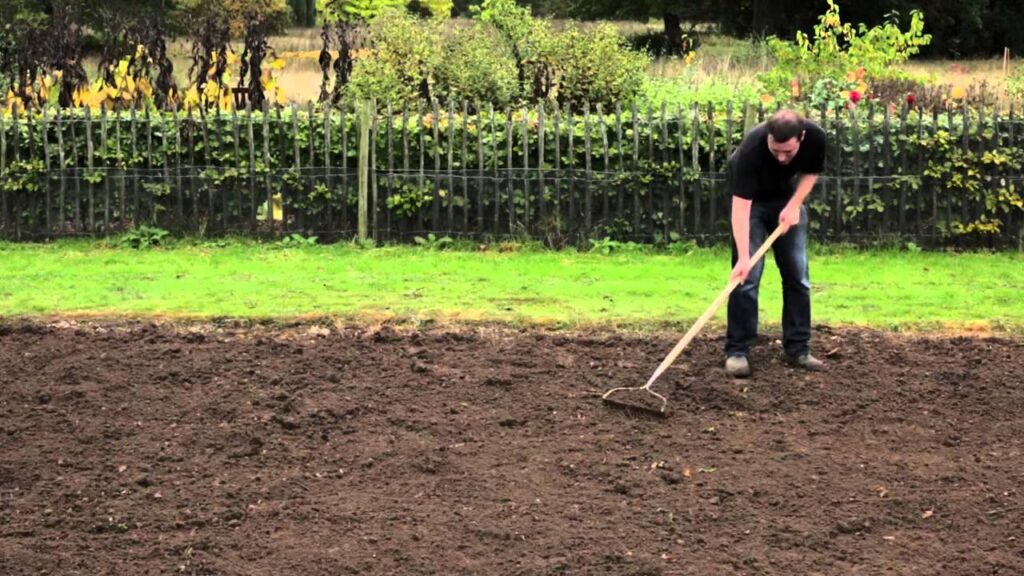
You’ll need to prepare the soil by removing any debris, rocks, weeds, and dead tree branches. Once the area is clean, use a spade or shovel to loosen the top 20 cm of soil to a depth of at least 20 cm.
If your soil is poorly draining, add some sand to improve drainage. If it’s too dry, you’ll need to add organic matter like compost.
To compact the soil without damaging it, walk on it with bare feet or use a garden fork to gently firm it down.
Repeat this process over several weeks to achieve the right consistency.
Allow the area to remain untended for a few weeks while keeping it free from weeds.
Finally, sprinkle a granular fertilizer rich in phosphorus (around 150/200 g per square meter) over the soil.
Sowing the Lawn: By Hand or Machine?
Do you need a lawn seeder?
You can sow the grass by hand using a simple technique. To do this:
- Create a grid pattern on the ground using stakes and twine.
- Distribute half of the required amount of seeds along one row, then sprinkle the remaining half at an angle to create an even distribution.
Alternatively, you can use a lawn seeder machine. Fill the machine with half the amount of seeds needed for your entire lawn and drive it back and forth in straight lines. Repeat this process to distribute the seeds evenly.
Maintaining the Lawn
A freshly seeded lawn will take about three weeks to become lush and full.
Here are some tips to keep your lawn looking its best:
- Avoid walking on the lawn for at least two months to prevent compacting it.
- Don’t use the lawn immediately after seeding, as this can cause stress to the young grass.
- Keep an eye out for birds that might try to dig up your newly sown seeds!
Choosing the Right Seed
So what type of seed should you choose?
Consider factors like intended usage, soil type, and climate when selecting a seed.
Here are some recommendations:
- Maciste Prato Extra-Forte: This is an excellent choice for areas with low maintenance requirements and can tolerate drought, foot traffic, and poor soil quality.
- Miracle-Gro Patch Magic Seeds: If you want seeds that come with fertilizer already mixed in, these are a great option! They’re easy to sow and work well for small lawns or edging.
Reseeding the Lawn
Your lawn may not be as lush and green after a few months of wear and tear. That’s where reseeding comes in!
To resow your lawn, follow these steps:
- Remove any dead grass from the surface to create a smooth foundation for new growth.
- Mix compost with water to create a natural fertilizer, then spread it evenly over the area.
- Sow seeds at half the recommended rate and gently rake them into place.
Common Mistakes When Sowing a Lawn
There are several common mistakes that can lead to problems when sowing a lawn. Here are some of the most frequent ones:
- Incorrect seed rate: Using too little or too much fertilizer for your grass type.
- Poor soil preparation: Failing to remove weeds, debris, and dead branches from the area before seeding.
- Inadequate watering: Not providing enough water during germination to ensure seedlings have a solid foundation.
By avoiding these common mistakes, you can increase the chances of successful lawn establishment.
Tips for a Healthy Lawn
A healthy lawn requires regular maintenance. Here are some tips to keep your grass looking its best:
- Proper mowing: Regularly mow your lawn at the recommended height to prevent overgrowth and promote even growth.
- Regular watering: Ensure adequate water supply during hot weather, especially for newly seeded lawns.
- Fertilization: Apply a balanced fertilizer according to the manufacturer’s instructions to provide necessary nutrients for healthy growth.
Conclusion
Seeding a lawn can be an enjoyable process that adds beauty to your garden. By following these steps and tips, you’ll be well on your way to enjoying lush green grass all year round!
Here are 8 FAQs related to seeding a lawn:
- Q: How long does it take for the seeds to germinate?
A: Seeds typically take three weeks to grow after sowing. - Q: Can I sow my lawn in winter?
A: Sowing your lawn in winter is not recommended as it may be too cold or wet, making germination difficult. - Q: What type of seed should I use for my lawn?
A: Choose a grass seed that suits your local climate and intended usage. - Q: Do I need to water the seeds after sowing?
A: Yes, keep the soil consistently moist but avoid overwatering which can lead to rotting roots or fungal diseases. - Q: How often should I mow my lawn during its first year of growth?
A: For the first year, maintain your lawn at a higher height (around 2-3 inches) to allow it time to establish itself. - Q: Can I use weed killers on my newly sown lawn?
A: Avoid using weed killers until your new lawn is well-established, as they can harm young grass blades and hinder growth. - Q: How often should I fertilize my lawn after seeding?
A: For the first year, maintain a higher fertilizer rate to promote healthy growth. Gradually reduce the frequency of application over time. - Q: Can I use a lawn mower with bag attachment on my newly sown lawn?
A: Avoid using a bagger for the first three months after seeding as this can compact the soil and impede proper drainage.
By following these tips, you’ll be able to establish a lush green lawn that brings joy and beauty to your garden.


