
Introduction
As the world continues to shift towards renewable energy sources, innovative technologies like gasification are gaining attention. In this article, we’ll explore the concept of wood gasification, its benefits, and recent developments in the field.
With the increasing awareness of climate change and the need for sustainable energy solutions, researchers and engineers have been exploring various alternatives to fossil fuels. Wood gasification is one such technology that has gained significant attention in recent years due to its potential to produce clean and renewable energy.
What is Wood Gasification?
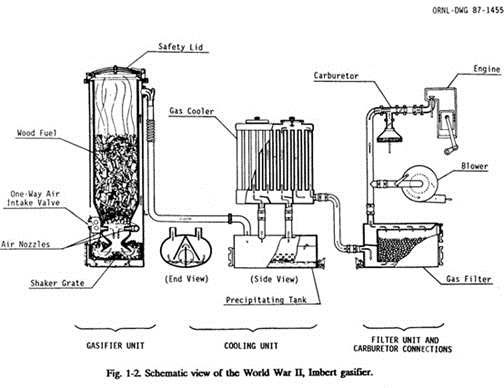
Wood gasification is a process that converts organic materials, such as wood, into synthesis gas (syngas), which can be used to produce electricity, heat, or transportation fuels. This technology has been around for decades but has only recently gained widespread acceptance due to advances in engineering and economic viability.
The basic principle of wood gasification involves the thermal decomposition of wood at high temperatures, typically between 800°C to 1000°C. This process breaks down the lignin, hemicellulose, and cellulose present in the wood, resulting in volatile gases such as carbon monoxide (CO), hydrogen (H2), and methane (CH4).
The Science Behind Wood Gasification
Wood gasification is a complex process that involves several stages:
- Pyrolysis: The first stage of wood gasification is pyrolysis, where the wood is heated to high temperatures in the absence of oxygen. This causes the cellulose and lignin to decompose into volatile gases.
- Catalytic Gasification: In this stage, a catalyst is added to enhance the conversion of syngas into carbon monoxide, hydrogen, and methane.
- Gas Cleaning: The resulting gas mixture needs to be cleaned to remove impurities such as water vapor, sulfur dioxide, and nitrogen oxides.
Applications of Wood Gasification
Wood gasification has various applications across different industries:
- Power Generation: Syngas produced from wood can be used to generate electricity in power plants.
- Heat Production: Wood gasification can provide heat for buildings, greenhouses, and industrial processes.
- Transportation Fuels: The syngas produced can be converted into methanol, ethanol, or other fuels for use in vehicles.
Benefits of Wood Gasification
Wood gasification offers several benefits over traditional fossil fuel-based power generation:
- Renewable Energy Source: Wood is a renewable resource that can be replenished quickly.
- Carbon Neutral: The carbon dioxide emissions from wood gasification are equivalent to those absorbed by the tree during its growth phase.
- Reduced Greenhouse Gas Emissions: By utilizing wood as a fuel source, we can reduce our reliance on fossil fuels and lower greenhouse gas emissions.
Case Studies: Implementing Wood Gasification
Several countries have successfully implemented wood gasification technologies:
- Sweden: The Swedish energy company Vattenfall has built a 10 MW power plant that uses wood gasification to generate electricity.
- Canada: The province of Quebec has invested in several wood gasification projects, including a 25 MW facility at the Saguenay region.
These successful implementations demonstrate the potential of wood gasification to provide clean and renewable energy while reducing greenhouse gas emissions.
Challenges and Limitations
While wood gasification offers many benefits, it also faces several challenges and limitations:
- Biomass Availability: Finding a reliable source of biomass (wood) at an affordable cost is essential for the success of wood gasification.
- Gas Quality: The syngas produced can be difficult to handle and require proper processing before it can be utilized effectively.
- Air Pollution: Biomass combustion can lead to air pollution, so it’s crucial to implement effective emission control measures.
Future Outlook
As concerns about climate change grow, innovative technologies like wood gasification will play a critical role in reducing greenhouse gas emissions and promoting sustainable energy production. To overcome the challenges and limitations associated with wood gasification, researchers and engineers are exploring various solutions:
- Advanced Gasification Technologies: Developing new gasification technologies that can improve efficiency, reduce costs, and minimize environmental impacts.
- Biomass Feedstock Development: Identifying and developing novel biomass feedstocks that can be used for gasification, such as agricultural waste or urban forestry materials.
Conclusion
Wood gasification is an innovative technology that offers a promising solution for renewable energy production. As we continue to transition towards a low-carbon economy, understanding and harnessing the potential of wood gasification will play a crucial role in mitigating climate change. By overcoming the challenges and limitations associated with this technology, we can unlock its full potential and create a more sustainable future.
FAQs
Q: Is wood gasification a new technology?
A: Wood gasification is not a new technology but has been around for decades. Recent advances have improved its efficiency and economic viability.
Q: Can any type of wood be used for gasification?
A: Not all types of wood are suitable for gasification. Hardwoods like oak and maple are preferred due to their higher cellulose content, while softwoods like pine and spruce may produce lower-quality syngas.
Q: What are the main challenges associated with implementing wood gasification?
A: The primary challenge is finding a reliable source of biomass (wood) at an affordable cost. Additionally, the syngas produced can be difficult to handle and require proper processing before it can be utilized effectively.
Q: Can wood gasification be used for heating purposes?
A: Yes, wood gasification can produce heat, which can be used directly or converted into electricity using a gas turbine.
Q: Are there any environmental concerns associated with wood gasification?
A: While wood gasification has several benefits, it’s essential to consider the environmental impact of land use changes and potential air pollution from biomass combustion. Proper management practices and regulations are necessary to minimize these effects.
Q: What is the future outlook for wood gasification technology?
A: As concerns about climate change grow, innovative technologies like wood gasification will play a critical role in reducing greenhouse gas emissions and promoting sustainable energy production.


