
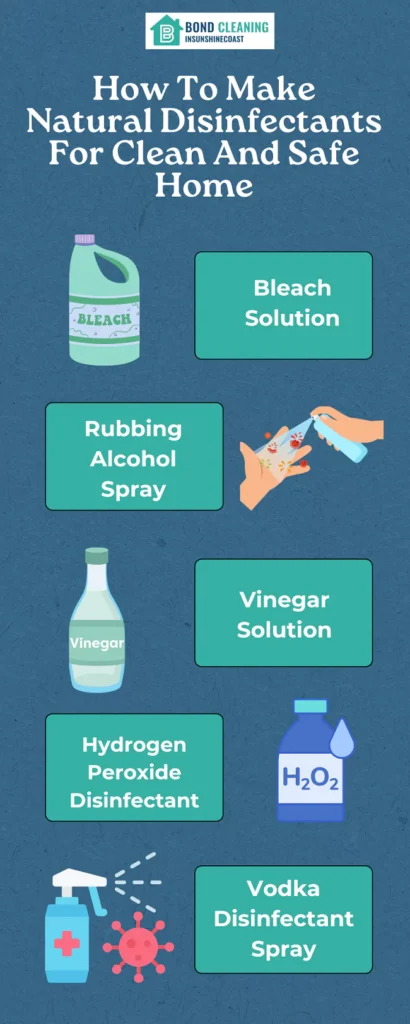
As a homeowner, maintaining a clean and hygienic environment is crucial for the health and well-being of your family. While commercial disinfectants can be effective, they often contain harsh chemicals that can harm both humans and the planet. Fortunately, nature offers a wealth of alternatives to keep your home germ-free without compromising on effectiveness or sustainability.
In this article, we will explore natural methods for disinfecting your home using common household items, reducing your reliance on chemical-based products and promoting a healthier lifestyle.
The Importance of Natural Disinfection
Maintaining a clean and disinfected home is essential to prevent the spread of illnesses and infections. According to the World Health Organization (WHO), cleaning and disinfecting are two of the most effective ways to reduce the transmission of diseases, particularly in areas with poor sanitation and hygiene.
Moreover, using natural disinfectants can help you avoid exposure to harsh chemicals that can have adverse effects on your health and the environment. Natural disinfectants are often gentler on surfaces, pets, and children, making them a more appealing option for families with allergies or sensitivities.
Natural Disinfection Methods: A Comparison
In this section, we will compare three natural disinfection methods using common household items:
- Aceto con acqua ossigenata (Vinegar and Oxygen Peroxide Solution)
- L’olio di eucalipto (Eucalyptus Oil)
- Bicarbonato
Each method has its unique benefits, making them ideal for different cleaning tasks.
Aceto con acqua ossigenata (Vinegar and Oxygen Peroxide Solution)
This solution is a popular natural disinfectant due to its effectiveness against bacteria, viruses, and fungi. The combination of acetic acid in vinegar with hydrogen peroxide creates a powerful disinfectant that can eliminate germs and leave surfaces clean and fresh.
Preparation:
- Mix 500 ml of water with 400 ml of white vinegar and 50 ml of oxygen peroxide.
- Stir well before using.
L’olio di eucalipto (Eucalyptus Oil)
Eucalyptus oil has been used for centuries as a natural remedy due to its decongestant properties. When mixed with water, it creates a potent disinfectant that can kill bacteria and viruses on contact.
Preparation:
- Mix 150 ml of eucalyptus oil with every liter of water.
Bicarbonato
Baking soda is a versatile household item that can be used as a natural disinfectant. Its alkaline properties help neutralize acidic substances, making it effective against germs and bacteria.
Preparation:
- Sprinkle two tablespoons of baking soda on the surface to be disinfected.
- Spray with water and let it sit for 30 minutes before wiping clean.
Aceto e limone
A combination of acetic acid in vinegar and citric acid from lemon juice creates a powerful disinfectant that can eliminate germs and leave surfaces clean and fresh.
Preparation:
- Mix one liter of water with 250 ml of white vinegar and the juice of half a lemon.
- Stir well before using.
Acqua ossigenata e tea tree oil
This solution is particularly effective against bacteria, viruses, and fungi. The combination of oxygen peroxide and tea tree oil creates a potent disinfectant that can eliminate germs and leave surfaces clean and fresh.
Preparation:
- Mix 750 ml of water with 250 ml of oxygen peroxide, 20 ml of lemon juice, and 10 drops of tea tree oil.
- Stir well before using.
Disinfection Tips
Here are some additional tips to keep in mind when disinfecting your home:
- Always read the label and follow instructions for each product you use.
- Wear gloves and a mask to protect yourself from chemicals and bacteria.
- Keep cleaning solutions away from children and pets.
- Regularly clean and disinfect high-touch areas, such as doorknobs and light switches.
Eco-Friendly Disinfection Methods
In addition to the natural methods mentioned above, there are several eco-friendly disinfection methods you can use in your home:
- Steam Cleaning: Steam cleaning uses hot water vapor to kill bacteria and viruses on surfaces. This method is particularly effective against germs and can be used for a variety of surfaces.
- UV Light Disinfection: UV light disinfection uses ultraviolet light to kill bacteria and viruses on surfaces. This method is commonly used in hospitals and healthcare settings.
- Essential Oil Disinfectants: Essential oils such as tea tree oil, lavender oil, and lemon oil have antimicrobial properties that can be used to create natural disinfectants.
Conclusion
Natural home disinfection is an effective way to keep your home germ-free without compromising on effectiveness or sustainability. By using common household items, you can reduce your reliance on chemical-based products and promote a healthier lifestyle. Remember to always follow instructions and take necessary precautions when disinfecting your home.
Frequently Asked Questions (FAQs)
- What is the best natural disinfectant for my home?
- How often should I clean and disinfect my home?
- Can I use natural disinfectants on all surfaces?
- Are natural disinfectants effective against viruses and bacteria?
- Can I make homemade disinfectant sprays using household items?
- What are some common household items that can be used as natural disinfectants?
- How do I know if a surface is disinfected enough?
- Can I use natural disinfectants on pets and children?
By understanding the benefits of natural home disinfection and using eco-friendly methods, you can create a healthier and more sustainable living environment for your family.
Additional Resources
- National Institute of Environmental Health Sciences (NIEHS): The NIEHS is a part of the National Institutes of Health that provides information on environmental health topics, including indoor air quality and disinfection.
- Centers for Disease Control and Prevention (CDC): The CDC is a trusted source for information on infectious diseases, including disinfection methods and guidelines for cleaning and disinfecting surfaces.
- Environmental Protection Agency (EPA): The EPA provides information on sustainable living practices, including eco-friendly disinfection methods and ways to reduce your reliance on chemical-based products.


