
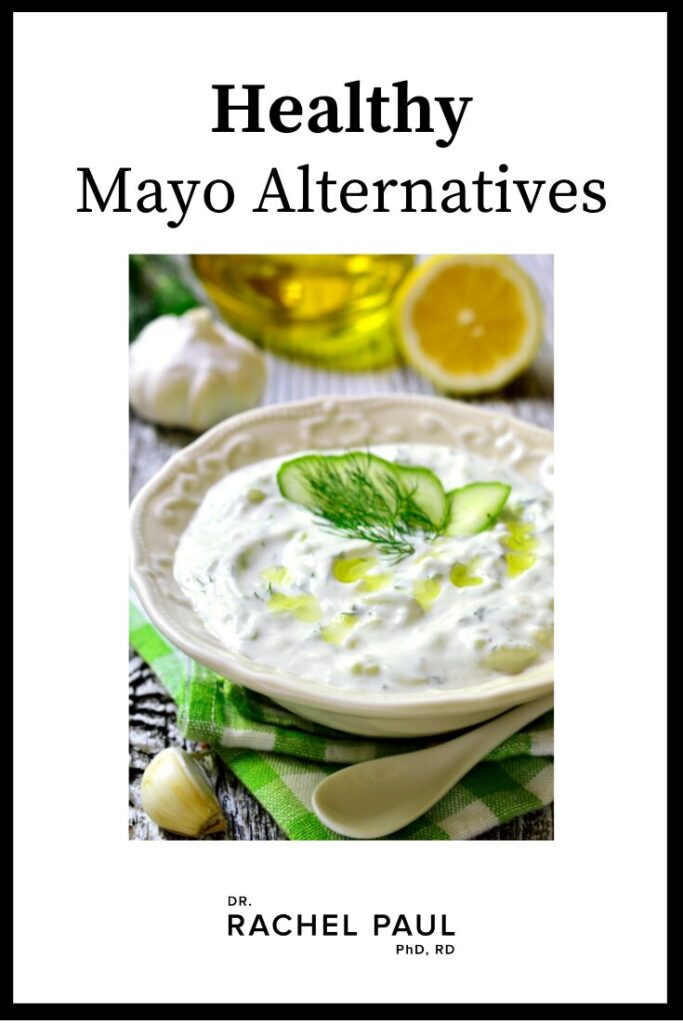
As a vegan or those looking to reduce their fat intake, you may be wondering if there’s a way to enjoy the creamy richness of traditional mayonnaise without sacrificing your dietary goals. The good news is that yes, it is possible! In this article, we’ll explore the world of healthy veggie mayonnaise alternatives and provide you with some tasty and nutritious recipes to try.
What is Mayonnaise?
Before we dive into the healthier alternatives, let’s take a brief look at traditional mayonnaise. Made from eggs, oil, vinegar or lemon juice, and seasonings, mayonnaise has been a staple condiment for centuries. However, its high calorie and fat content make it a less-than-ideal choice for those looking to reduce their intake.
The Benefits of Veggie Mayonnaise
Veggie mayonnaise offers several benefits over traditional mayonnaise:
- Lower in calories and fat
- Higher in vitamins and minerals from the added vegetables
- Can be made with a variety of ingredients, making it easier to accommodate different dietary needs
Preparation Methods
There are several ways to prepare veggie mayonnaise, but the basic principle remains the same: blend your chosen ingredients together until smooth and creamy. Here’s a brief overview of some popular preparation methods:
- Vegan Mayonnaise: Made with plant-based ingredients like aquafaba (chickpea brine), lemon juice, and spices.
- Vegetable-Based Mayonnaise: Utilizes cooked and pureed vegetables like carrots, beets, or sweet potatoes to add flavor and nutrition.
Carrot-Mayonnaise Recipe
Here’s a simple recipe for carrot-mayonnaise:
- 3 medium-sized carrots, peeled and chopped
- 1/4 cup of olive oil
- 2 tablespoons of freshly squeezed lemon juice
- Salt and pepper to taste
Combine the carrots with the remaining ingredients in a blender or food processor until smooth. Adjust seasoning as needed.
Sweet Potato-Mayonnaise Recipe
Here’s a recipe for sweet potato-mayonnaise:
- 2 medium-sized sweet potatoes, peeled and chopped
- 1/4 cup of olive oil
- 3 tablespoons of freshly squeezed lemon juice
- Salt and pepper to taste
Combine the sweet potatoes with the remaining ingredients in a blender or food processor until smooth. Adjust seasoning as needed.
Tips for Making Veggie Mayonnaise
Here are some tips for making veggie mayonnaise:
- Use high-quality ingredients, such as fresh lemons and extra-virgin olive oil.
- Experiment with different vegetables and flavor combinations to find your favorite.
- Store any leftover mayonnaise in an airtight container in the fridge for up to one week.
Additional Veggie Mayonnaise Recipes
Here are some additional veggie mayonnaise recipes you might enjoy:
- Beet-Mayonnaise Recipe: Combine cooked and pureed beets with olive oil, lemon juice, and spices.
- Spinach-Mayonnaise Recipe: Blend cooked spinach with olive oil, lemon juice, and garlic for a delicious and healthy sauce.
- Roasted Red Pepper Mayonnaise Recipe: Roast red peppers and blend them with olive oil, lemon juice, and spices for a sweet and smoky mayonnaise.
Conclusion
Veggie mayonnaise is not only delicious but also packed with nutrients from the added vegetables. With a little creativity and experimentation, you can create tasty and healthy sauces that will elevate your meals without sacrificing flavor or nutrition. So go ahead, give veggie mayonnaise a try, and experience the benefits of this delicious condiment for yourself!
Frequently Asked Questions
Q: What are some common ingredients used in veggie mayonnaise?
A: Common ingredients include cooked vegetables, olive oil, lemon juice, salt, and pepper.
Q: Can I make vegan mayonnaise with aquafaba?
A: Yes, you can make a simple vegan mayonnaise using aquafaba as the base ingredient.
Q: How do I store veggie mayonnaise in the fridge?
A: Store any leftover mayonnaise in an airtight container in the fridge for up to one week.
Nutritional Information
Here is some nutritional information on traditional mayonnaise:
- Calories per tablespoon: 100
- Fat per tablespoon: 10g
- Carbohydrates per tablespoon: 0g
- Protein per tablespoon: 1g
And here is some nutritional information for carrot-mayonnaise recipe:
- Calories per serving: 150
- Fat per serving: 10g
- Carbohydrates per serving: 15g
- Protein per serving: 2g
Similarly, here is some nutritional information for sweet potato-mayonnaise recipe:
- Calories per serving: 120
- Fat per serving: 8g
- Carbohydrates per serving: 20g
- Protein per serving: 3g
Conclusion
Veggie mayonnaise offers a delicious and nutritious alternative to traditional mayonnaise. With its lower calorie and fat content, it’s a great option for those looking to reduce their intake. By experimenting with different vegetables and flavor combinations, you can create a variety of tasty sauces that will elevate your meals without sacrificing flavor or nutrition.


