
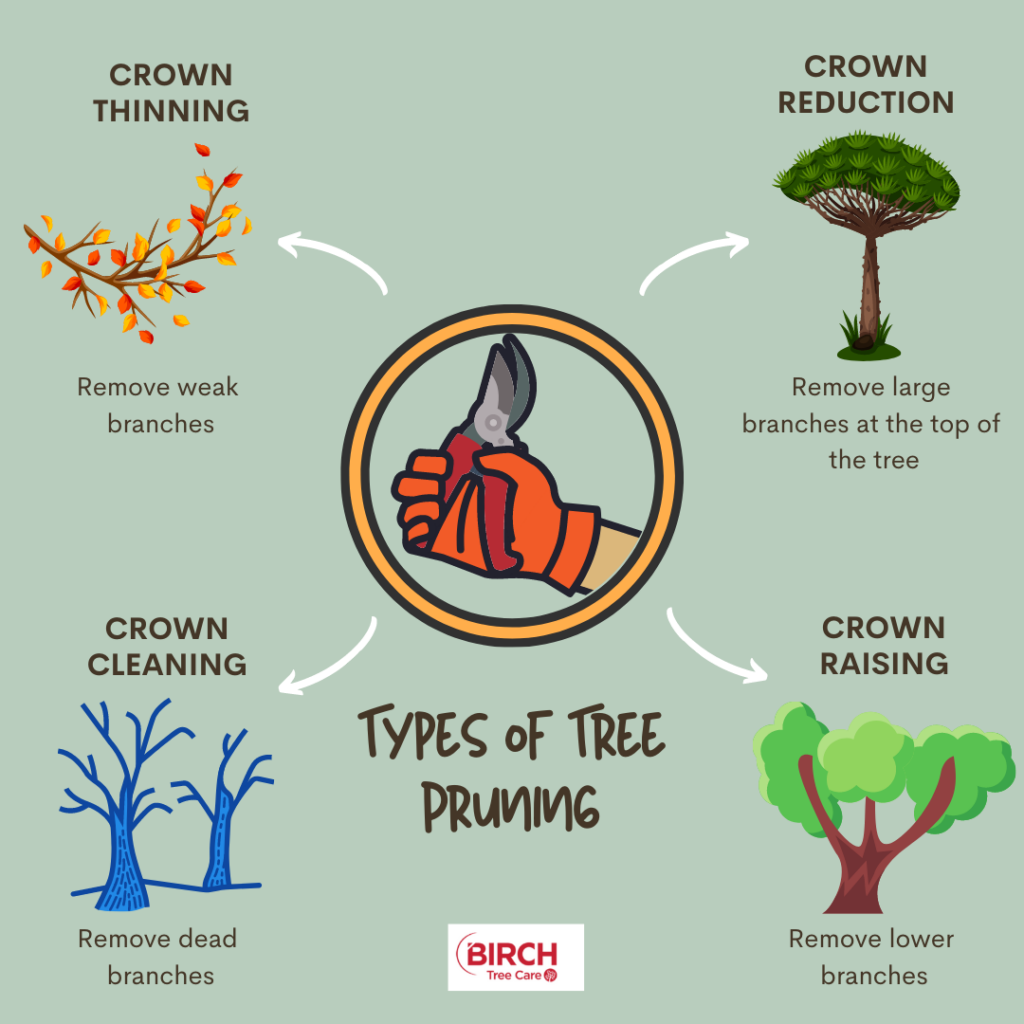
As a gardening enthusiast, learning the art of pruning can seem daunting, but with the right guidance, you’ll be well on your way to growing lush, healthy plants. In this article, we’ll delve into the essential rules for effective pruning, ensuring your garden flourishes.
Understanding the Importance of Pruning
Before diving into the nitty-gritty of pruning, it’s crucial to recognize its significance. A well-pruned plant is not only visually appealing but also more likely to produce abundant fruit and flowers. By respecting the natural shape of the plant, you’ll encourage healthy growth and prevent unnecessary stress.
Pruning 101: Essential Rules
To get started with pruning, follow these four fundamental guidelines:
Respect the Natural Form
A well-pruned plant maintains its natural shape, promoting healthy growth and fruiting. A tidy appearance also makes for a more attractive garden. Consider the following factors when assessing your plant’s form:
- Size: Prune to maintain or control the plant’s size, ensuring it remains proportionate to its surroundings.
- Shape: Prune to enhance or restore the plant’s natural shape, promoting even growth and symmetry.
- Density: Prune to improve air circulation and sunlight penetration into the canopy.
Assess Lighting and Air Circulation
Ensure each tree or shrub receives adequate light and air circulation. Sunlight penetration into the canopy and airflow throughout the plant are vital for optimal health. Consider the following factors when assessing lighting and air circulation:
- Sunlight: Prune to maintain a balanced ratio of shade to sun, ensuring plants receive sufficient light.
- Air Circulation: Prune to improve air movement around the plant, reducing the risk of disease.
Gather Essential Tools
Before pruning, ensure you have the necessary equipment:
- Sharp pruning tools (e.g., shears, loppers)
- Gardening gloves
- A sturdy ladder or step stool
Prepare Your Tools
Disinfect your tools by dipping them in a mixture of equal parts water and white vinegar for 10-15 minutes. Rinse thoroughly and sharpen the blades to ensure clean cuts.
Pruning Techniques: Tips and Tricks
To avoid common mistakes, follow these expert tips:
- Cut at a 45-degree angle: This helps prevent water from collecting on the cut area.
- Make precise cuts: Avoid slogging through leaves or branches, as this can lead to disease and pest issues.
- Disinfect your tools regularly: Regular disinfection is crucial for preventing the spread of diseases.
Pruning for Specific Plants
While these guidelines apply to most plants, each species has unique requirements. For example:
- Evergreen trees: Prune in late winter or early spring to maintain shape and promote new growth.
- Flowering shrubs: Prune immediately after blooming to encourage new blooms.
Pruning for Fruit Trees
Fruit trees require regular pruning to ensure optimal fruit production. Consider the following factors when pruning fruit trees:
- Thinning: Remove select branches to allow sunlight penetration and promote air circulation.
- Training: Prune branches to control tree shape, improve air circulation, and increase fruiting potential.
Pruning for Roses
Roses require regular pruning to maintain their natural form and promote healthy growth. Consider the following factors when pruning roses:
- Thinning: Remove select branches to allow sunlight penetration and promote air circulation.
- Shaping: Prune branches to control tree shape, improve air circulation, and increase fruiting potential.
Pruning for Hedges
Hedges require regular pruning to maintain their natural form and provide a clear boundary. Consider the following factors when pruning hedges:
- Thinning: Remove select branches to allow sunlight penetration and promote air circulation.
- Shaping: Prune branches to control hedge shape, improve air circulation, and increase visibility.
Pruning Tools: Choosing the Right Ones
Choosing the right pruning tools can make all the difference in achieving successful pruning results. Consider the following factors when selecting pruning tools:
- Material: Opt for high-quality materials that resist rust and wear.
- Blade type: Choose blades with a sharp, curved edge to minimize tearing and promote clean cuts.
Pruning Safety: Precautions to Take
Pruning can be hazardous if you don’t take necessary precautions. Consider the following safety tips:
- Wear protective gear: Wear gloves, safety glasses, and a dust mask to protect yourself from debris and potential allergens.
- Use proper lifting techniques: Lift with your knees instead of your back to avoid straining muscles.
- Cut away from the body: Keep the cut area at least 12 inches away from your body to minimize the risk of injury.
Conclusion
Pruning is an art that requires patience, practice, and attention to detail. By following these essential rules and techniques, you’ll be well on your way to creating a thriving garden filled with lush greenery and vibrant flowers.
Frequently Asked Questions
Q: How often should I prune my plants?
A: Prune during the dormant season (winter or early spring) for most plants.
Q: Can I prune too much?
A: Yes, over-pruning can stress the plant, leading to disease and pest issues. Aim for a balanced approach.
Q: What is the best time of day for pruning?
A: Prune during the cooler part of the day (early morning or late afternoon) to minimize heat stress.
Q: Can I use household chemicals to disinfect my tools?
A: No, avoid using household chemicals as they can harm plants and contaminate soil.
Q: How do I store my pruning tools?
A: Store your tools in a dry place, protected from direct sunlight and moisture.


