
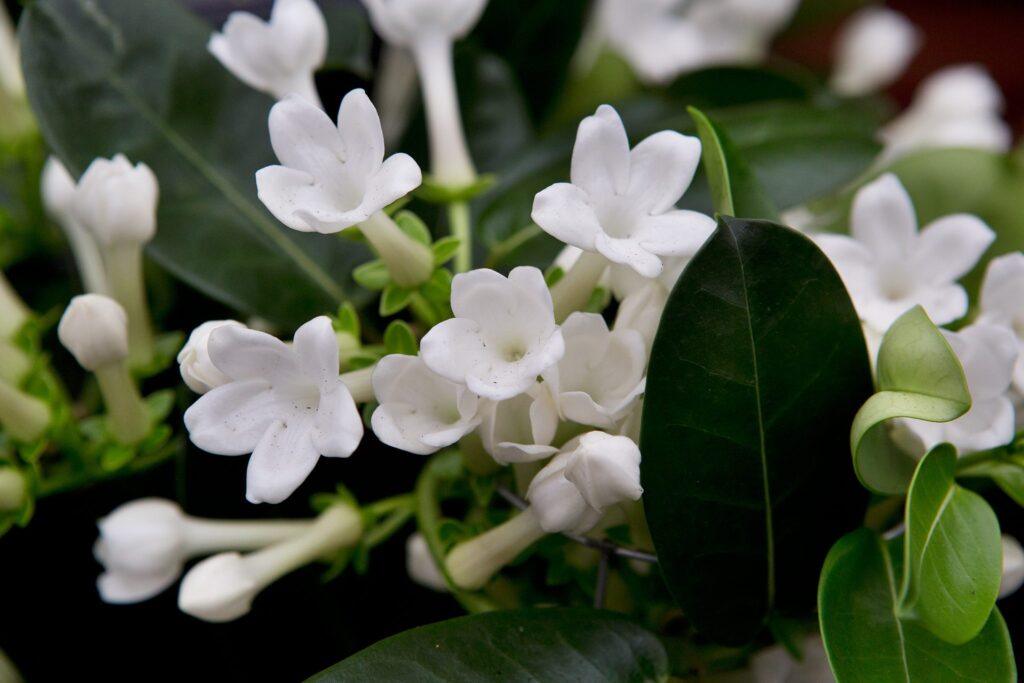
Understanding the Madagascar Jasmine
When it comes to ornamental plants, few species evoke as much fascination as the Madagascar Jasmine, also known as Stephanotis. This climbing plant is renowned for its beautiful leaves and fragrant white flowers, making it a popular choice among gardeners and horticulturists alike.
But what sets Stephanotis apart from other climbing plants? And how can you successfully cultivate this tropical gem in your own garden? In this article, we’ll delve into the world of Stephanotis, exploring its history, cultivation requirements, and common diseases.
Cultivation Basics
So, how do you accommodate Stephanotis in your garden? The answer lies in understanding its specific needs. As a tropical plant adapted to hot and humid climates, Stephanotis requires a warm and cozy environment. In winter, it’s essential to keep temperatures above 13°C (55°F) to prevent stress.
During the summer months, Stephanotis can thrive in temperatures up to 21°C (70°F), but direct sunlight should be avoided. Instead, provide dappled shade or place the plant outdoors in areas with partial shade.
Watering and Soil
Stephanotis requires regular watering, especially during the summer months when it needs a constant supply of moisture. Avoid stagnant water, which can lead to root rot and other issues. Use rainwater or demineralized water instead, as limestone can damage the plant’s roots.
When repotting Stephanotis, use larger vases with fertile soil mixed with coarse sand to promote drainage and prevent stagnation. Fertilize regularly during the spring months, using a liquid fertilizer mixed with irrigation water every 15 days.
Propagation and Species
Stephanotis is an excellent candidate for propagation through cutting. Take cuttings from the ends of stems in spring, approximately 10 cm (4 inches) long, and make an oblique cut just below the node to promote rooting.
Remove lower leaves, sprinkle with powdered fertilizer, and place cuttings in soil mixed three parts fertile ground and one part coarse sand. Water thoroughly and provide a humid environment to encourage rooting.
There are around 15 species of Stephanotis, but the most widely distributed is Stephanotis floribunda. This variety originates from Madagascar and boasts beautiful green leaves with an oval shape and central nerve. Like other Stephanotis species, it blooms in spring and produces white flowers throughout the summer in clusters.
Common Diseases
Despite its beauty, Stephanotis can be susceptible to various diseases. Excessive temperature fluctuations can cause yellowing leaves and flower drop, while brown or fine mealybug infestations can lead to yellow leaves. To combat these issues, use cotton wool soaked in alcohol to remove bugs or wash the plant with water and soap.
Red mite damage can also affect Stephanotis, causing brown or white spots on leaves. Increase humidity in the surrounding environment to protect the plant from these pests.
The Name Behind the Plant
So, what’s behind the name “Stephanotis”? According to Greek etymology, “stephanos” means “crown,” while “otos” refers to the ears. The theory is that Stephanotis flowers were often used to make crowns, but another theory suggests the name is linked to specific appendages found in the antherial crown.
The species name “floribunda” comes from Latin and means “rich of flowers.” Whether you’re a seasoned gardener or just starting out, Stephanotis is sure to captivate your senses with its unique appearance and fragrance.
Propagation Techniques
In addition to cuttings, other propagation techniques can be used to successfully grow Stephanotis. One method involves taking stem sections from the mother plant and rooting them in water before transferring them to soil.
Another technique involves using tissue culture to propagate new plants. This method involves taking a small section of stem or leaf from the mother plant, sterilizing it, and then planting it in a sterile medium to encourage growth.
Pruning and Training
To keep Stephanotis looking its best, regular pruning and training are necessary. Prune dead or damaged leaves to maintain the plant’s appearance, and remove any weak or spindly stems to promote healthy growth.
Use twine or clips to train the stem onto a trellis or other support, keeping the plant at the desired height and promoting an upright growth habit. Regular pruning will also encourage new flowers to form, ensuring that your Stephanotis blooms profusely throughout the summer months.
Pest Control
In addition to common diseases, Stephanotis can be susceptible to pests like mealybugs, spider mites, and scale insects. To control these issues, use insecticidal soap or neem oil to repel pests.
For severe infestations, consider using systemic pesticides that target specific pests. Regularly inspect your plant for signs of infestation and take action promptly to prevent damage to the plant.
Fertilization
To promote healthy growth and flowering in Stephanotis, regular fertilization is necessary. Use a balanced fertilizer (10-10-10) during the spring months when new growth begins, and follow with a bloom booster (15-30-15) every 2-3 weeks to encourage flowers to form.
Avoid over-fertilizing, as this can lead to weak growth and reduced flowering. Fertilize sparingly but regularly to ensure that your Stephanotis stays healthy and thriving throughout the year.
Growth Habit
Stephanotis is a climbing plant that requires regular support to prevent it from becoming leggy or spindly. Use twine, clips, or trellises to train the stem onto a support, keeping the plant at the desired height and promoting an upright growth habit.
The plant can grow quite large, up to 2 meters (6 feet) in length, so ensure that you provide sufficient support to prevent it from becoming too heavy for the structure. Regular pruning will also encourage new growth and promote a fuller appearance.
Propagation Tips
- Take cuttings in spring: Stephanotis takes well to stem cuttings during the spring months when new growth begins.
- Use sterile equipment: To reduce the risk of disease, use sterilized equipment to take cuttings and plant them in soil.
- Provide humidity: Encourage rooting by providing a humid environment for cuttings.
- Monitor temperature: Regularly monitor temperatures above 13°C (55°F) during winter months to prevent stress.
Common Problems
- Yellowing leaves: Excessive temperature fluctuations or over-watering can cause yellowing leaves in Stephanotis.
- Brown spots on leaves: Red mite damage or fungal infections can cause brown spots on leaves.
- Leggy growth: Insufficient support or inadequate pruning can lead to leggy growth in Stephanotis.
Conclusion
In conclusion, Stephanotis is a captivating climbing plant that requires careful attention to its specific needs. By understanding its cultivation requirements, common diseases, and propagation methods, you can successfully grow this tropical gem in your own garden.
Whether you’re looking to add some greenery to your home or create a stunning outdoor display, Stephanotis is sure to impress. So why not give it a try? With the right care and attention, Stephanotis will thrive and reward you with its beautiful leaves and fragrant flowers.
FAQs
- How do I propagate Stephanotis from cuttings?
To propagate Stephanotis from cuttings, take 10 cm (4 inches) long stem sections in spring, make an oblique cut just below the node, remove lower leaves, sprinkle with powdered fertilizer, and place cuttings in soil mixed three parts fertile ground and one part coarse sand. - What is the ideal temperature for Stephanotis?
The ideal temperature for Stephanotis is between 13°C (55°F) and 21°C (70°F), avoiding direct sunlight during summer months. - Can I grow Stephanotis indoors?
Yes, you can grow Stephanotis indoors, but it requires a warm and humid environment. Provide dappled shade or place the plant outdoors in areas with partial shade. - How often should I water my Stephanotis?
Water your Stephanotis regularly, especially during summer months when it needs a constant supply of moisture. Avoid stagnant water, which can lead to root rot and other issues. - What is the best fertilizer for Stephanotis?
Use a balanced fertilizer (10-10-10) during the spring months when new growth begins, followed by a bloom booster (15-30-15) every 2-3 weeks to encourage flowers to form.
I hope this comprehensive guide has provided you with all the information needed to successfully grow Stephanotis. Good luck and happy gardening!


