
Understanding Stress and Its Management
Stress is a widespread issue that affects individuals from all walks of life. Whether it’s work, family, or personal relationships, stress can quickly escalate into an overwhelming force that takes a toll on both physical and mental health. In this article, we’ll delve into the world of stress management, exploring its definition, causes, and effective techniques to alleviate its effects.
What is Stress?
Stress can be understood as a state of tension that affects not only our bodies but also our minds. It’s a natural response to situations that require us to adapt and react. When we perceive a threat or challenge, our body’s “fight or flight” response kicks in, releasing stress hormones like cortisol and adrenaline. These hormones prepare our body for action, but chronic stress can lead to burnout and a host of other health problems.
The Three Phases of Stress
Stress is often misunderstood as a single entity, but it actually goes through three distinct phases:
- Alarm Phase: This initial response is characterized by feelings of anxiety and alertness. The body prepares for action, and stress hormones surge.
- Resistance Phase: As the alarm phase subsides, our body adapts to the situation by making changes to conserve energy and manage the stress response. This phase can last for days or even weeks.
- Exhaustion Phase: If the stress continues unabated, our body’s defenses begin to weaken, leading to physical and emotional exhaustion.
Why Do We Stress Out?
So, why do we experience stress in the first place? It’s essential to understand that stress is a natural response to situations that require us to adapt. However, when we’re faced with excessive demands or pressures, our body can become overwhelmed. This can lead to feelings of anxiety, fear, and frustration.
Practical Tips for Managing Stress
Now that we’ve explored the concept of stress and its three phases, let’s dive into some practical strategies for managing it:
1. Connect with Nature
Spending time in nature has been shown to reduce stress levels and improve overall well-being. Take a walk in a park or forest, go for a hike, or simply sit outside and soak up some sunshine.
2. Practice Self-Care
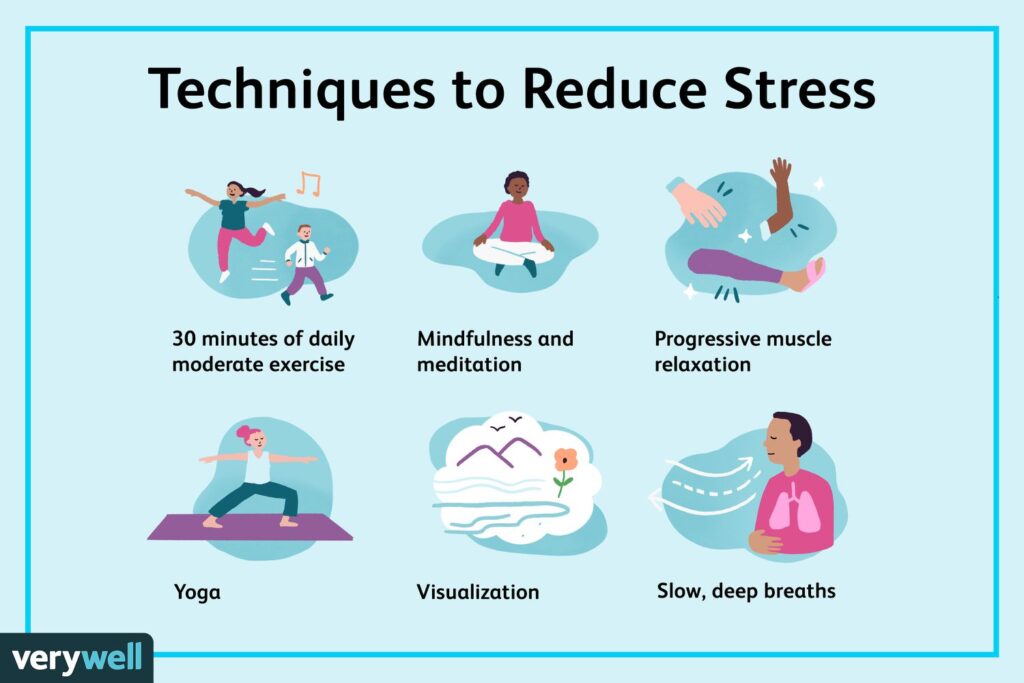
Make time for activities that bring you joy and relaxation, such as reading, meditation, or yoga. Prioritize self-care and take breaks throughout the day to recharge.
3. Eat a Balanced Diet
A healthy diet rich in whole foods, fruits, and vegetables can help reduce stress levels. Avoid sugary snacks and drinks that can exacerbate feelings of anxiety.
4. Exercise Regularly
Engage in physical activity that you enjoy, such as walking, running, or swimming. Exercise releases endorphins, which can help alleviate stress and improve mood.
5. Get Enough Sleep
Aim for 7-8 hours of sleep per night to allow your body to rest and recover from the stresses of the day. Establish a consistent sleep schedule and create a relaxing bedtime routine.
6. Practice Humor and Self-Awareness
Develop a sense of humor about yourself and life’s challenges. Learn to laugh at your own foibles and imperfections, and practice self-awareness to recognize when you’re feeling stressed or anxious.
7. Surround Yourself with Positive People
The company you keep can significantly impact your stress levels. Spend time with people who uplift and support you, and avoid negative influences that can drain your energy.
8. Release Emotions Healthily
When feelings of stress or anxiety become overwhelming, it’s essential to find healthy ways to release them. Talk to a trusted friend or therapist, write in a journal, or engage in creative activities like art or music.
9. Use Aromatherapy
Certain essential oils, such as lavender and peppermint, have been shown to reduce stress and promote relaxation. Use them in a diffuser, apply them topically, or inhale their fragrance directly.
Additional Stress Management Techniques
In addition to the practical tips outlined above, there are several other techniques that can help manage stress:
- Mindfulness Meditation: Practice mindfulness meditation to calm your mind and reduce stress.
- Deep Breathing Exercises: Engage in deep breathing exercises to slow down your heart rate and promote relaxation.
- Progressive Muscle Relaxation: Use progressive muscle relaxation to release physical tension and promote relaxation.
- Journaling: Write in a journal to process your emotions and reflect on your experiences.
Stress Management Tools
There are many stress management tools available that can help you manage stress, including:
- Mindfulness Apps: Download mindfulness apps like Headspace or Calm to guide you through meditation exercises.
- Stress Balls: Use stress balls to release physical tension and promote relaxation.
- Essential Oils: Incorporate essential oils into your self-care routine to reduce stress and promote relaxation.
Conclusion
Managing stress is an ongoing process that requires effort, patience, and self-awareness. By understanding the causes of stress, recognizing its three phases, and incorporating practical techniques into your daily routine, you can reduce its impact on your life. Remember, managing stress is not about eliminating it entirely but about learning to live with it in a healthy and balanced way.
Frequently Asked Questions
- Q: Can stress be prevented?
- While it’s impossible to completely eliminate stress, there are steps you can take to reduce its impact on your life.
- Q: What is the best way to manage chronic stress?
- Chronic stress can be managed through a combination of self-care practices, such as exercise, meditation, and spending time in nature.
- Q: How can I recognize signs of burnout?
- Signs of burnout may include feelings of exhaustion, cynicism, and detachment from work or activities you once enjoyed.
- Q: Can stress be treated with medication?
- While medication may be prescribed for certain types of anxiety disorders, it’s essential to address the underlying causes of stress through lifestyle changes and self-care practices.
-
Q: How can I build resilience in the face of stress?
- Building resilience requires developing coping skills, practicing self-awareness, and cultivating a support network of positive relationships.
-
Q: What is the role of mindfulness in managing stress?
- Mindfulness techniques, such as meditation and deep breathing, can help reduce stress levels by promoting relaxation and increasing self-awareness.
- Q: Can exercise reduce stress levels?
- Yes, regular exercise has been shown to decrease stress levels, improve mood, and enhance overall well-being.
-
Q: What is the relationship between stress and sleep?
- Stress can significantly impact sleep quality, and poor sleep can exacerbate feelings of anxiety and fatigue.
-
Q: Can I manage stress on my own or do I need professional help?
- While it’s possible to manage stress on your own, seeking professional help from a therapist or counselor may be beneficial for those experiencing chronic stress or other mental health concerns.


