
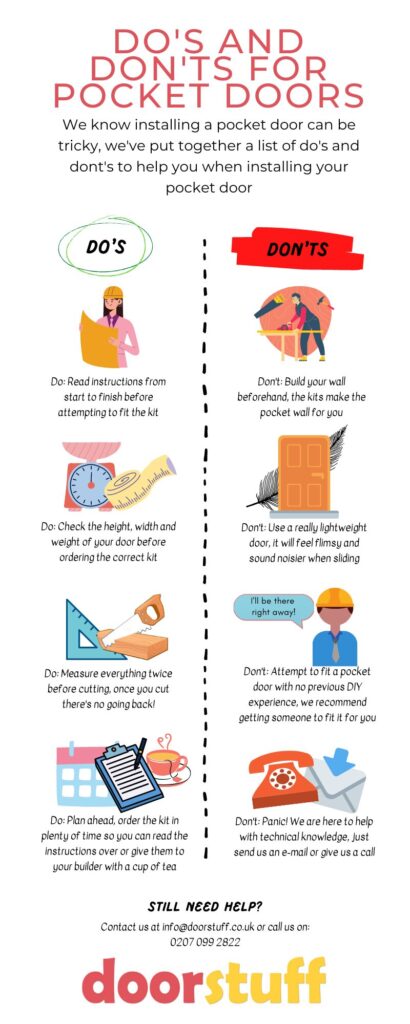
Are you tired of having to walk through narrow hallways or squeeze through tight spaces? Do you dream of having a seamless and functional living space that flows effortlessly from one room to another? Look no further than hidden sliding doors! These innovative doors are perfect for maximizing your home’s potential, and with the right installation, they can be truly invisible.
The Pros and Cons of Hidden Sliding Doors
Before we dive into the details, let’s explore the advantages and disadvantages of hidden sliding doors. A soffit door is simpler to install, but it has some drawbacks. Soffit doors have very thin elements that are never fully closed, which limits the available passage. They also restrict the passage of objects that need to be moved from one room to another, such as chairs, tables, and equipment.
On the other hand, hidden sliding doors offer a more seamless experience. They disappear into the wall thickness, creating a continuous flow of space that is perfect for modern homes. However, they require more planning and installation effort.
Hidden Sliding Doors vs. Slide-Out Doors
There are two main types of hidden doors: soffit doors and slide-out doors. Soffit doors are simpler to install but have some limitations, as mentioned earlier. Slide-out doors, on the other hand, use a metal counter-weight installed inside the wall cavity to create the sliding mechanism.
The installation of a hidden sliding door consists in inserting the counter-weight into the wall. If there are pre-existing walls, it may be necessary to demolish them and rebuild them around the counter-weight. This process can be more complicated and costly than installing a soffit door.
Hidden Sliding Doors: Plaster or Gypsum?
When it comes to choosing between plaster or gypsum for your hidden sliding doors, there are some important considerations. Both materials have their own set of advantages and disadvantages. Plaster is a traditional choice, but it can be more difficult to work with, especially when it comes to achieving a smooth finish.
Gypsum sheets, on the other hand, offer a simpler installation process, but they may require more space due to their thickness. However, gypsum sheets are also easier to repair and replace if needed.
Hidden Sliding Doors: Mounting and Installation
For self-installation of a hidden sliding door, you will need to demolish the wall and rebuild it around the counter-weight. The counter-weight is placed on the floor, and pay attention to the thickness occupied by the counter-weight once it’s positioned. With the plastering, you’ll cover the exposed parts left by the counter-weight: above, below, and on both sides of the wall.
The counter-weight is fixed to the rest of the wall using metal hinges. Make sure to align the sliding mechanism correctly before applying the gypsum or plaster.
Tips and Tricks for a Smooth Installation
Before starting your project, keep in mind that practice tests are essential to ensure the door slides smoothly. It would be a shame to install everything only to discover that the door doesn’t slide properly due to an incorrectly aligned mechanism.
When installing the counter-weight, make sure to cover both faces with netting to facilitate finishing. Use a simple trowel for the first layer of plastering and a wet frattazzo for the finish coat.
Common Mistakes to Avoid
- Insufficient planning: Failing to plan the installation properly can lead to a door that doesn’t slide smoothly or doesn’t fit correctly in the wall.
- Incorrect alignment: Misaligning the sliding mechanism can cause issues with the door’s smooth operation and proper closure.
- Inadequate support: Not providing sufficient support for the counter-weight can result in damage to the surrounding walls or ceiling.
- Poor finishing: Failing to achieve a smooth finish on the plastered surface can create an uneven appearance.
Hidden Sliding Doors: Maintenance and Repair
While hidden sliding doors are designed to be durable and long-lasting, they still require regular maintenance to ensure optimal performance. Regular checks for signs of wear and tear, such as scratches or dents, can help prevent more serious issues from developing.
If a problem does arise, it’s essential to address it promptly to avoid further damage. This may involve repairing or replacing damaged components, such as the sliding mechanism or counter-weight.
Conclusion
Hidden sliding doors are a game-changer for homeowners looking to maximize their living space. With the right installation, they can create a seamless flow between rooms that is both functional and visually stunning. By understanding the pros and cons, choosing the right material, and following proper mounting and installation techniques, you can enjoy the benefits of hidden sliding doors in your own home.
Frequently Asked Questions
-
What is the best type of wall for installing a hidden sliding door?
The best type of wall for installing a hidden sliding door is one that is sturdy and able to support the weight of the counter-weight. This may require demolishing existing walls or using specialized materials. -
How do I choose between plaster and gypsum for my hidden sliding doors?
When choosing between plaster and gypsum, consider factors such as ease of installation, durability, and aesthetic appeal. Plaster may be a better choice for those with experience in traditional plastering methods. -
What is the average cost of installing a hidden sliding door?
The average cost of installing a hidden sliding door can vary widely depending on factors such as material, size, and complexity of installation. On average, expect to pay between $1,000 to $5,000 for a standard hidden sliding door. -
Can I install a hidden sliding door myself?
Yes, you can install a hidden sliding door yourself, but it requires careful planning, specialized tools, and attention to detail. Make sure to follow proper mounting and installation techniques to ensure a smooth and successful installation. -
What are the benefits of using gypsum sheets for hidden sliding doors?
Gypsum sheets offer several benefits, including ease of installation, durability, and repairability. They also provide anchor points for attaching the sheet itself. -
Can I use a standard door frame for my hidden sliding door?
No, you cannot use a standard door frame for your hidden sliding door. The frame must be specifically designed to accommodate the counter-weight and sliding mechanism. -
How do I ensure proper alignment of the sliding mechanism?
To ensure proper alignment of the sliding mechanism, practice tests are essential. Make sure to follow manufacturer instructions and consult with a professional if needed. -
What is the typical lifespan of a hidden sliding door?
The typical lifespan of a hidden sliding door can vary depending on factors such as material quality, usage, and maintenance. On average, expect a lifespan of 10 to 20 years or more.
Additional Tips for Maximizing Your Hidden Sliding Doors
- Choose the right material: Select a material that suits your needs and budget.
- Consider the size: Ensure that the door is proportional to the space it will be used in.
- Plan for maintenance: Regularly check and maintain your hidden sliding doors to ensure optimal performance.
- Consult professionals: If you’re unsure about any aspect of the installation or maintenance, consult with a professional.
By following these tips and considering your specific needs and budget, you can enjoy the benefits of hidden sliding doors in your home. Whether you’re looking to maximize space, improve functionality, or enhance aesthetics, hidden sliding doors are an innovative solution that’s worth exploring further.


