
Introduction
When it comes to woodworking, having the right tools is essential. One of the most crucial components is a reliable adhesive that can bond wood together seamlessly. In this article, we’ll delve into the world of wood adhesives, exploring the different types, their uses, and techniques for achieving professional-grade results.
What is Wood Adhesive?
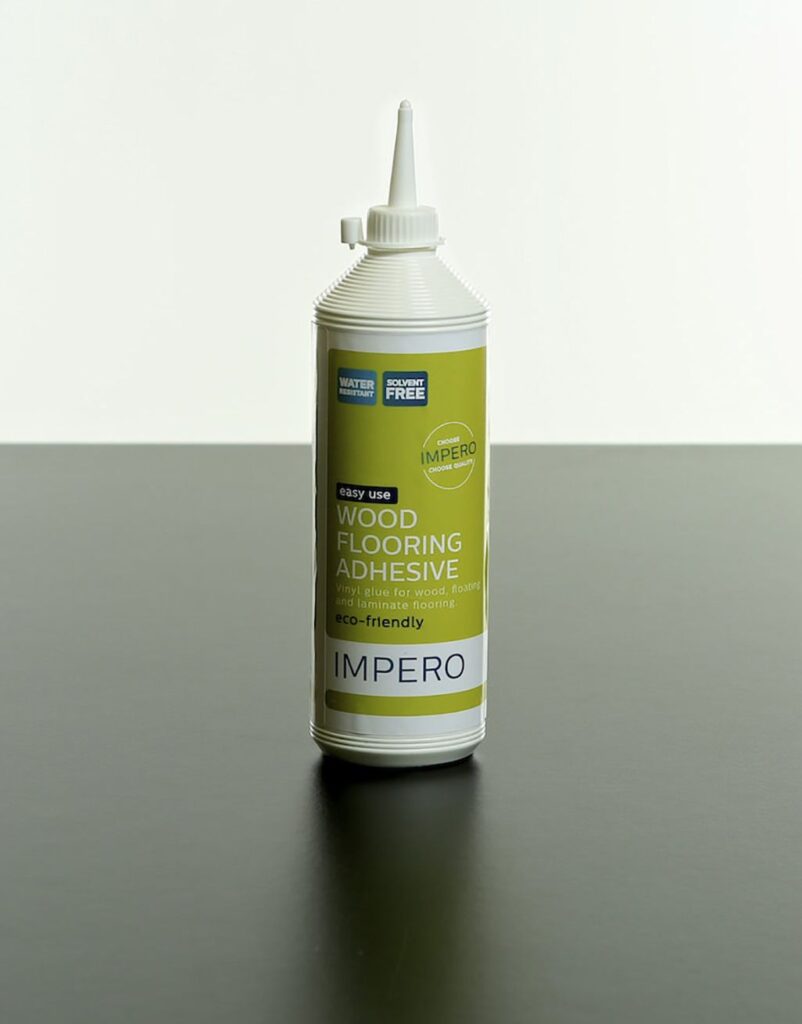
Wood adhesive, also known as wood glue or vinyl adhesive, is a type of adhesive specifically designed for bonding wood surfaces. It’s typically a water-based solution containing small particles of acetate of vinyl (PVA) dissolved in water. The acetate particles form a strong bond between the two surfaces, making it an ideal choice for various woodworking applications.
Types of Wood Adhesives
There are several types of wood adhesives available on the market, each with its unique characteristics and uses:
- Vinyl Adhesive (PVA): The most common type of wood adhesive, vinyl adhesive is a water-based solution that’s easy to apply and dries quickly.
- Hot Melt Adhesive: A popular choice for large woodworking projects, hot melt adhesive is a thermoplastic polymer that melts when heated and forms a strong bond between surfaces.
- Epoxy Adhesive: A two-part adhesive that hardens when mixed together, epoxy adhesives offer exceptional strength and durability for heavy-duty applications.
Benefits of Wood Adhesives
Wood adhesives have several benefits that make them an essential tool for any woodworking project:
- Strong Bonding: Wood adhesives create a strong, durable bond between surfaces, making them ideal for heavy loads and stresses.
- Easy to Apply: Most wood adhesives are easy to apply, even for beginners.
- Dries Quickly: Many wood adhesives dry quickly, allowing you to complete your project rapidly.
Choosing the Right Wood Adhesive
With so many types of wood adhesives available, choosing the right one can be overwhelming. Consider the following factors when making your decision:
- Project Type: Different adhesive types are better suited for specific projects, such as woodworking, crafting, or furniture making.
- Surface Type: Some adhesives work better with certain surface types, like wood, metal, or plastic.
- Environmental Factors: Consider the environmental conditions in which your project will be used.
Tips and Techniques
Here are some tips and techniques to help you get the most out of your wood adhesive:
- Cleanliness is Key: Always clean the surfaces before applying adhesive to ensure a strong bond.
- Use the Right Amount: Use the right amount of adhesive for your project, as excessive adhesive can lead to uneven drying or messes.
- Apply Evenly: Apply adhesive evenly across both surfaces to avoid air pockets and ensure a smooth finish.
Additional Tips
Working with Wood Adhesives in Extreme Temperatures
Wood adhesives can be affected by extreme temperatures. To ensure the best results, follow these tips:
Q: What are some common temperature ranges that wood adhesives can withstand?
A: Most vinyl adhesives can withstand temperatures between 32°F and 90°F (0°C to 32°C). Hot melt adhesives can handle higher temperatures, typically up to 120°F (49°C), but may not work well in extremely low temperatures.
Q: Can I use wood adhesive in direct sunlight?
A: No, it’s recommended to avoid using wood adhesive in direct sunlight. This can cause the adhesive to dry too quickly or unevenly, affecting its bonding strength.
Safety Precautions When Working with Wood Adhesives
When working with wood adhesives, it’s essential to follow safety precautions:
Q: What are some common hazards associated with wood adhesives?
A: Common hazards include skin irritation, respiratory problems, and eye irritation. Always wear protective gear when applying or handling wood adhesives.
Q: How can I minimize the risks associated with using wood adhesives?
A: To minimize risks, always follow the manufacturer’s instructions, work in a well-ventilated area, and avoid ingesting or inhaling adhesive fumes.
Conclusion
In conclusion, wood adhesives are an essential tool for any woodworking project. By understanding the different types of adhesives available and choosing the right one for your project, you can achieve professional-grade results that will last for years to come.
Additional Resources
For more information on wood adhesives, consult the following resources:
- Manufacturer’s instructions: Always follow the manufacturer’s instructions for application, drying times, and safety precautions.
- Online forums and communities: Join online forums and communities to ask questions, share experiences, and learn from other woodworkers.
- Woodworking books and tutorials: Consult woodworking books and tutorials for additional tips and techniques.
Frequently Asked Questions
Q: What is the difference between vinyl adhesive and hot melt adhesive?
A: Vinyl adhesive (PVA) is a water-based solution containing small particles of acetate of vinyl. Hot melt adhesive, on the other hand, is a thermoplastic polymer that melts when heated and forms a strong bond between surfaces.
Q: Can I use wood adhesive on non-wood surfaces?
A: No, it’s not recommended to use wood adhesive on non-wood surfaces. Wood adhesives are specifically designed for bonding wood surfaces and may not adhere properly to other materials.
Q: How long does wood adhesive take to dry?
A: The drying time of wood adhesive varies depending on the type of adhesive and environmental conditions. Most vinyl adhesives dry quickly, within 24 hours, while hot melt adhesives can take several days to fully cure.
Q: Can I mix different types of wood adhesives?
A: It’s generally not recommended to mix different types of wood adhesives. This can lead to unpredictable results and may void the warranty on your project.
Q: How do I clean up excess adhesive?
A: Excess adhesive can be cleaned up with a solvent, such as acetone or mineral spirits. Always follow safety precautions when working with solvents.
Q: Can I use wood adhesive in extreme temperatures?
A: Yes, many types of wood adhesives are suitable for use in extreme temperatures. However, it’s always best to consult the manufacturer’s instructions before using an adhesive in a project that will be exposed to high or low temperatures.
Q: How long does wood adhesive last?
A: The lifespan of wood adhesive depends on various factors, such as environmental conditions and usage. With proper care, most adhesives can last for several years.


