
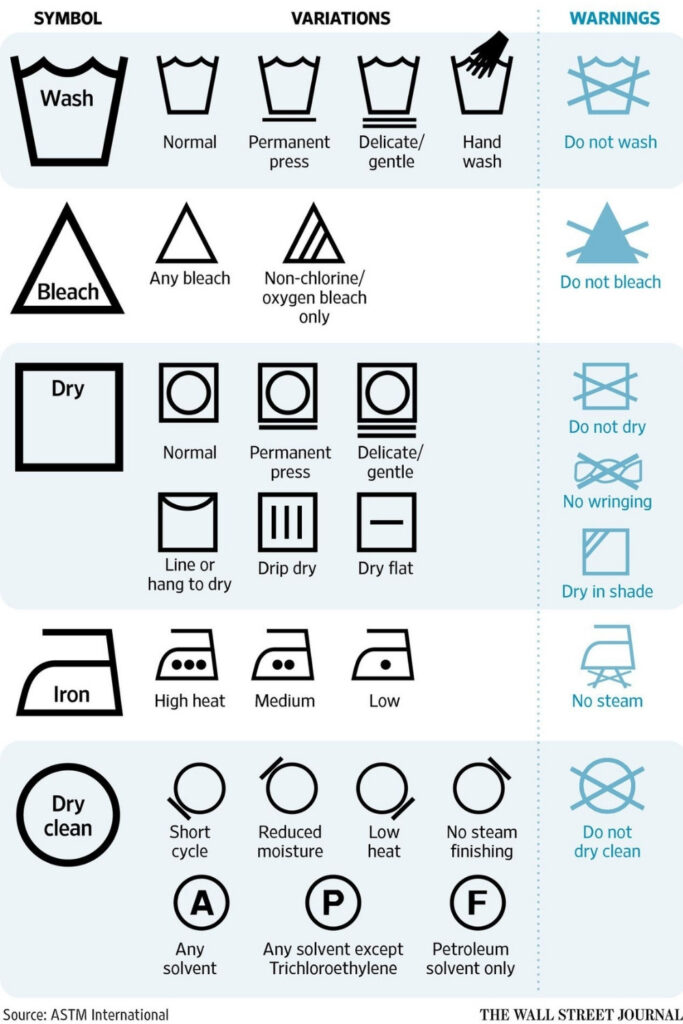
As we put on our favorite clothes, it’s essential to know what those labels mean. Understanding the symbols on your clothing and bedding can help you avoid damaging them during washing or drying. In this article, we’ll explore why fabric labels are crucial, what they mean, how to read them, and provide tips for choosing sustainable fabrics.
Why is it important to follow the instructions on fabric labels?
To prevent ruining your clothing and home textiles, it’s crucial to wash them properly and follow their guidelines. Fabric labels contain vital information about how to care for your clothes and bedding. By understanding what those symbols mean, you can make informed decisions about washing, drying, and ironing your fabrics.
Why are fabric labels so essential for clothing and home textiles?
Fabric labels provide several benefits:
- They give you peace of mind knowing that your textiles are treated with the right care.
- They help you avoid damaging or discoloring your fabrics.
- They guide you on how to wash, dry, and iron your clothes and bedding.
What do fabric labels mean?
Fabric labels contain various symbols that convey important information about your clothing and bedding. These symbols can be straightforward, but some may require interpretation. By understanding these symbols, you can make informed decisions about how to care for your fabrics.
Types of symbols on fabric labels
- Triangle with a slash: This symbol indicates that the fabric cannot be bleached or dyed.
- Circle with a letter inside: This symbol shows whether the fabric can be machine washed, hand washed, dry cleaned, or ironed.
- Three horizontal lines: This symbol represents a gentle wash cycle for machines.
- Single line: This symbol indicates a high-velocity wash cycle.
How to read fabric labels
When reading fabric labels, you’ll typically find the following information:
- Producer’s name or brand: This provides insight into the manufacturer and the quality of the fabric.
- Fabric composition: The percentage of natural fibers like cotton, polyester, and wool is listed here.
- Washing instructions: Symbols indicate whether to wash in cold water, hot water, dry cleaning, hand washing, or ironing.
- Drying symbols: Indicate whether the fabric can be machine dried or should be air-dried.
Benefits of reading fabric labels
By understanding what those labels mean, you can:
- Prevent damage and discoloration
- Choose fabrics that suit your lifestyle
- Make informed decisions about care instructions
- Reduce waste by using the right care methods
How to find reliable information on fabric labels
To ensure accurate information, follow these tips:
- Check the label for symbols and markings: These will provide essential guidance on how to care for your fabrics.
- Research the manufacturer’s website: Additional information can be found on the manufacturer’s website, including fabric composition and washing instructions.
- Consult with a textile expert or local dry cleaner: They can offer valuable advice on caring for specific fabrics.
Tips for finding the best fabrics
When selecting fabrics, consider the following:
- Choose natural fibers: Opt for cotton, wool, or silk for more breathable and sustainable options.
- Look for certifications: Labels like GOTS (Global Organic Textile Standard) or Oeko-Tex ensure that your textiles meet high standards of quality and safety.
- Select fabrics with a low environmental impact: Consider choosing fabrics made from recycled materials or produced using eco-friendly methods.
Best practices for caring for fabrics
To get the most out of your fabrics, follow these tips:
- Follow the care instructions on the label: This will ensure that you’re treating your fabrics correctly.
- Wash clothes in cold water whenever possible: Hot water can cause colors to fade and fabrics to become damaged.
- Avoid over-drying or wringing out your clothes: Excessive drying can lead to wrinkles, shrinkage, and fabric damage.
- Iron fabrics while they’re still slightly damp: This will help prevent wrinkles and creases.
Frequently Asked Questions
Q: What is the difference between a fabric label and an instruction label?
A: A fabric label provides information about the fabric itself, such as its composition and care instructions. An instruction label contains specific washing and drying guidelines for your clothing or bedding.
Q: How can I find reliable information on fabric labels?
A: Check the label for symbols and markings, research the manufacturer’s website, and consult with a textile expert or local dry cleaner.
Q: What are some tips for choosing sustainable fabrics?
A: Opt for natural fibers, look for certifications like GOTS or Oeko-Tex, and choose fabrics made from recycled materials or produced using eco-friendly methods.
By understanding what those labels mean, you can make informed decisions about how to care for your fabrics, reduce waste, and choose sustainable options. By following these tips and guidelines, you’ll be able to extend the life of your clothes and bedding while protecting the environment.


