
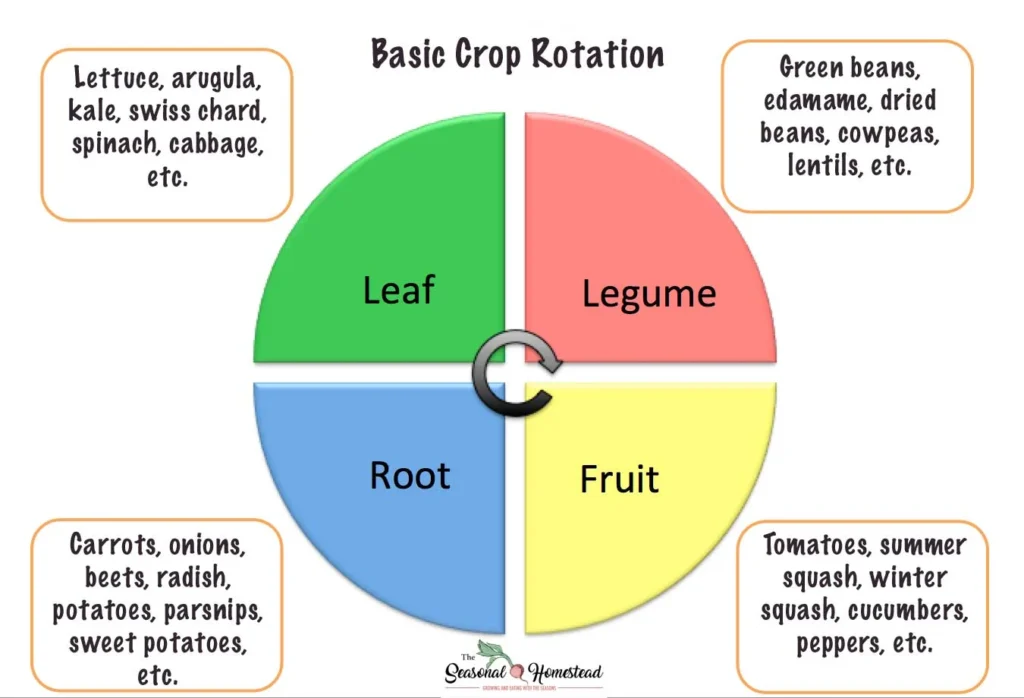
Crop rotation is an ancient farming practice that has been around for centuries. Its purpose is to ensure that the soil is not depleted of nutrients and that pests and diseases are kept at bay. In this article, we will delve into the world of crop rotation and explore its benefits, advantages, and best practices.
What is Crop Rotation?
Crop rotation involves changing the type of crops grown on a specific plot of land to maintain soil fertility and prevent pests and diseases from taking hold. This technique helps in maintaining an optimal balance between different plant families, which ensures that no single crop dominates the soil for too long.
Crop rotation can be achieved through various methods, including:
- Annual Rotation: Rotating crops every year by changing the type of crop grown on a specific plot.
- Seasonal Rotation: Rotating crops within a season to maintain optimal soil fertility and prevent pests and diseases.
- Inter-Row Cropping: Growing multiple crops in the same field, but in different rows or beds.
The Benefits of Crop Rotation
Crop rotation offers numerous benefits for gardeners, including:
- Improved Soil Fertility: By rotating crops, you can maintain a balanced nutrient profile, reducing the need for fertilizers and other chemicals.
- Increased Crop Yield: Rotating crops helps to prevent soil depletion and ensures that your crops receive the necessary nutrients to grow strong and healthy.
- Reduced Pests and Diseases: Changing the type of crop grown on a specific plot can help break the life cycle of pests and diseases, reducing the need for pesticides and other chemicals.
When to Rotate Crops
The frequency and timing of crop rotation depend on various factors, including climate, soil type, and crop selection. In general, it’s recommended to rotate crops every 1-3 years to maintain optimal soil fertility and prevent pests and diseases from taking hold.
| Crop | Rotation Period |
|---|---|
| Garlic | 4-5 years |
| Asparagus | 7-8 years |
| Cabbage | 2 years |
Best Practices for Crop Rotation
To get the most out of crop rotation, consider the following best practices:
- Legumes: Legumes, such as beans and peas, are excellent additions to crop rotations. They have a deep root system that helps fix nitrogen in the soil, making it available to other crops.
- Crop Selection: Choose crops that complement each other in terms of growth habits, nutrient requirements, and pest resistance.
- Soil Testing: Regularly test your soil to determine its pH levels, nutrient content, and structure.
Legumes: The Unsung Heroes of Crop Rotation
Legumes, such as beans and peas, are excellent additions to crop rotations. They have a deep root system that helps fix nitrogen in the soil, making it available to other crops. Legumes also provide a source of protein and fiber for humans and animals.
Some popular legume species used in crop rotation include:
- Beans: Beans are an excellent choice for crop rotation due to their high nitrogen-fixing ability.
- Peas: Peas are another great option for crop rotation, as they have a deep root system that helps fix nitrogen in the soil.
- Lupines: Lupines are a legume species that is often used in crop rotation due to their high nitrogen-fixing ability and low growth habit.
Crop Selection: A Key Factor in Successful Crop Rotation
Choosing crops that complement each other in terms of growth habits, nutrient requirements, and pest resistance is essential for successful crop rotation. Here are some tips for selecting the right crops:
- Consider Growth Habits: Choose crops with different growth habits, such as vining or spreading, to ensure that they don’t compete for space or resources.
- Match Nutrient Requirements: Select crops that have similar nutrient requirements to reduce the need for fertilizers and other chemicals.
- Choose Pest-Resistant Crops: Choose crops that are resistant to pests and diseases to minimize the risk of crop loss.
Soil Testing: A Crucial Step in Crop Rotation
Regularly testing your soil is essential for maintaining optimal soil fertility and preventing pests and diseases. Here are some tips for conducting a soil test:
- Determine pH Levels: Determine the pH levels of your soil to ensure that it’s within the optimal range for crop growth.
- Measure Nutrient Content: Measure the nutrient content of your soil to determine if any amendments are needed.
- Analyze Soil Structure: Analyze the structure of your soil to determine if it’s suitable for different crops.
FAQs
- What is the ideal rotation period for a small garden?
Small gardens can benefit from rotating crops every 6-12 months. - How often should I rotate my crops to maintain optimal soil fertility?
The frequency of crop rotation depends on various factors, including climate, soil type, and crop selection. - Can I rotate crops in the same field every year?
Rotating crops in the same field every year can lead to soil depletion and decreased crop yields.
Conclusion
Crop rotation is a powerful technique for maintaining optimal soil fertility, reducing pests and diseases, and increasing crop yields. By following these best practices and considering the specific needs of your garden, you can unlock the full potential of crop rotation and enjoy a thriving and sustainable gardening practice.


