
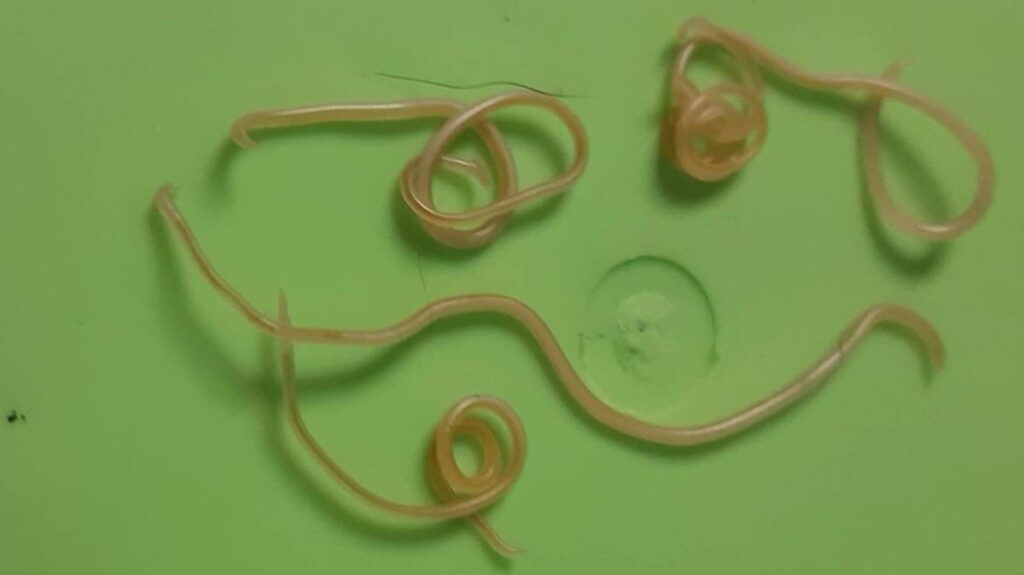
Ascarids are parasitic worms that can infest dogs, cats, and humans. These unwanted guests seem to be everywhere, causing a range of symptoms and making life miserable for their hosts. In this article, we’ll delve into the world of ascarids, exploring what they are, how they spread, and most importantly, how to get rid of them.
What Are Ascarids?
Ascarids are nematodes, long, thin worms that can grow up to several centimeters in length. They have a cylindrical body and are typically white or light-colored. These parasites feed on the nutrients of their hosts, reproducing by laying eggs that hatch into larvae. The larvae then migrate through the host’s tissues, causing damage and disease.
Ascarids in Dogs
Dogs can become infected with ascarids, particularly Toxascaris leonina and Toxocara canis, from birth. These parasites penetrate the intestinal wall, migrating to various organs, including the liver, heart, lungs, and brain. Female dogs can pass the infection to their puppies through the placenta.
Symptoms of ascarid infestation in dogs include:
- Diarrhea
- Vomiting
- Poor growth and weight loss
- Abdominal pain
- Coughing (in some cases)
- Ostracism (intestinal blockage)
Diagnosing ascarids in dogs typically involves stool tests, which can be misleading if the dog is experiencing diarrhea. Treatment usually involves medication prescribed by a veterinarian.
Ascarids in Cats
Cats are also susceptible to ascarid infestations, particularly Toxocara cati. These parasites enter the kitten’s body through the mother’s milk or by ingesting contaminated feces. Female cats can pass the infection to their kittens during breeding.
Symptoms of ascarid infestation in cats include:
- Diarrhea
- Vomiting
- Poor growth and weight loss
- Abdominal pain
- Coughing (in some cases)
- Ostracism (intestinal blockage)
Diagnosing ascarids in cats typically involves stool tests, which can be misleading if the cat is experiencing diarrhea. Treatment usually involves medication prescribed by a veterinarian.
Ascarids in Humans
Humans can become infected with ascarids through accidental ingestion of eggs from contaminated soil or feces. These parasites migrate to various organs, causing damage and disease. The most common symptom in humans is the syndrome of larval migrans visceralis, which can manifest as abdominal pain, joint pain, and eye problems.
The Risks
Ascarid infestations can be serious, especially for kittens, pregnant dogs, and young children. Untreated infections can lead to complications such as:
- Intestinal blockage
- Organ damage
- Neurological disorders
Prevention is Key
Preventing ascarid infestations requires a combination of good hygiene practices, regular veterinary check-ups, and awareness of the risks. Here are some tips to keep your furry friends safe:
- Regularly clean your pet’s living space
- Dispose of feces properly
- Use gloves when handling contaminated soil or feces
- Wash your hands thoroughly after handling your pets
Types of Ascarids
There are several types of ascarids, including:
- Toxascaris leonina: A common parasite in dogs and cats, which can cause intestinal blockage and other complications.
- Toxocara canis: A parasite that affects dogs, which can lead to severe health problems if left untreated.
- Ascaris lumbricoides (roundworm): The most common ascarid parasite in humans, which can cause intestinal blockage and other symptoms.
Life Cycle of Ascarids
The life cycle of ascarids involves several stages:
- Egg stage: The female worm lays eggs in the intestine or surrounding tissues.
- Larval stage: The egg hatches into a larva, which migrates to various organs and tissues through the bloodstream.
- Adult stage: The larva matures into an adult worm, which feeds on nutrients and reproduces by laying eggs.
How to Get Rid of Ascarids
Treatment for ascarid infestations typically involves medication prescribed by a veterinarian. Here are some common treatment options:
- Antiparasitic medications: Such as albendazole (Valbazen) or ivermectin, which can be administered orally or topically.
- Surgical removal: In severe cases where the parasite has caused significant damage to internal organs.
Conclusion
Ascarids may seem like a distant threat, but they can have devastating consequences for dogs, cats, and humans. By understanding the risks and taking preventive measures, you can protect yourself and your loved ones from these pesky parasites. If you suspect an ascarid infestation, consult with your veterinarian or healthcare provider immediately.
FAQs
- Can I get rid of ascarids at home?
No, it’s essential to seek professional help for effective treatment. - How do I prevent ascarid infestations in my dog?
Regular veterinary check-ups, proper hygiene practices, and awareness of the risks are key. - What are the symptoms of ascarid infestation in cats?
Diarrhea, vomiting, poor growth, abdominal pain, coughing (in some cases), and ostracism (intestinal blockage). - Can humans get infected through contact with dogs or cats?
Yes, accidental ingestion of eggs from contaminated soil or feces can lead to infection. - What is the most effective way to treat ascarid infestations in dogs and cats?
Medication prescribed by a veterinarian is usually the best course of treatment. - How long does it take for ascarids to complete their life cycle?
The larvae mature within 2-3 months, during which time they can produce up to 200,000 eggs per day. -
Can I treat ascarid infestations in myself or others without medical supervision?
No, professional help is necessary for effective treatment and to avoid complications. -
What are the most common symptoms of ascarid syndrome of larval migrans visceralis in humans?
Abdominal pain, joint pain, and eye problems. -
How can I protect myself from ascarids if I have a weakened immune system?
Take extra precautions to avoid accidental ingestion of eggs or contaminated soil/feces, and consult with your healthcare provider for personalized advice. -
Are there any specific foods that can help prevent ascarid infestations in dogs and cats?
Some research suggests that certain nutrients, such as vitamin E, may have anti-parasitic properties, but more studies are needed to confirm their effectiveness.
Additional Resources
For further information on ascarids, you can consult the following resources:
- American Society for the Prevention of Cruelty to Animals (ASPCA): Provides information on dog and cat parasites, including ascarids.
- Centers for Disease Control and Prevention (CDC): Offers guidance on preventing and treating ascarid infestations in humans.
- World Health Organization (WHO): Publishes reports on global health issues, including parasitic worm infections.


